2026 Best Ready Concrete Batching Plant for Global Buyers
The 2026 global market demands more than a high-capacity concrete machine. Buyers need dependable output, practical automation, and support that continues after installation. This guide introduces the Ready Concrete Batching Plant for contractors, distributors, and infrastructure developers working across different regions. It considers plant capacity, mixing accuracy, energy use, transport, and maintenance requirements. A compact urban project may need a 30 m³/h plant, while a highway site may require 120 m³/h or more. Details matter.
Experienced buyers should examine the complete operating picture. This includes aggregate storage, cement weighing, moisture correction, dust control, control-system security, and cleaning access. Supplier experience also matters. Factory inspections, production tests, installation records, and customer references can reveal more than a polished brochure. Numbers can mislead. A stated output rate may change with material quality, operator skill, weather, or truck availability. Careful buyers should request realistic performance data under comparable conditions.
Reliability also depends on service after delivery. Clear manuals, operator training, spare-parts planning, and responsive technical support reduce costly interruptions. Global projects may face different electrical systems, climate conditions, transport limits, and local construction requirements. Therefore, buyers should confirm compliance documents and installation responsibilities before signing a contract. No plant fits every market perfectly. That is an important limitation. This overview compares practical options while recognizing that site surveys and professional engineering checks remain essential. A sound decision balances purchase cost, lifecycle value, safety, and verifiable supplier capability.
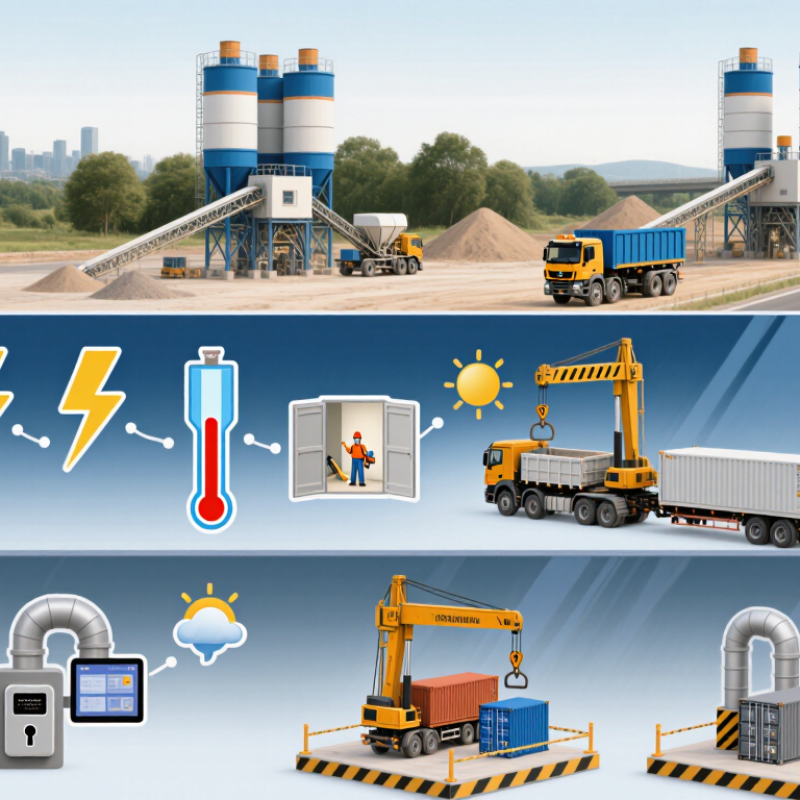
Understanding Ready Concrete Batching Plants and Their Applications
Ready concrete batching plants combine storage, weighing, mixing, and discharge in one coordinated system. They produce concrete to a specified mix design, then deliver it while the material remains workable. Plant layouts vary: compact mobile units suit temporary projects, while stationary plants can support steady production near construction sites. Applications include road paving, foundations, commercial buildings, and infrastructure work. The right setup depends on required output, aggregate supply, access, and how far fresh concrete must travel.
A typical batch begins with aggregates moving from bins onto a weighing system. Cement and water are measured separately, then fed into the mixer. Operators monitor batch records and adjust for changes such as damp sand, which can affect the water balance. Small errors matter. A truck waiting too long can disrupt placement, while inconsistent moisture readings may change workability.
Tips: Confirm the required output per hour, not just the plant’s advertised capacity. Check site access, power supply, water availability, and space for safe truck circulation. Ask how weighing systems are calibrated and how maintenance is handled. These details are easy to overlook. A plant that fits the project on paper may still need adjustments once daily conditions become clear.
How a Ready Concrete Batching Plant Works
A ready concrete batching plant turns separate materials into consistent fresh concrete near the construction site. The process begins in aggregate bins, where sand and stone remain divided by size. Cement travels from a sealed silo through a screw conveyor. Water and chemical admixtures enter through measured lines. The cycle is controlled.
Load cells weigh each ingredient before mixing starts. Moisture sensors can detect wet aggregate and adjust the added water. This small correction protects the designed water-cement ratio. A PLC then releases materials in a programmed sequence. The mixer combines them with strong paddles until the texture becomes uniform. Mixing time depends on the concrete grade and aggregate condition.
The finished concrete drops into a waiting truck mixer through a discharge gate. Operators check slump, temperature, and batch records before delivery. Experienced crews also inspect weighing systems, mixer blades, and conveyor seals every day. Dust collection needs regular attention. Calibration can drift.
Not every batch is perfect. Rain, material buildup, or rushed loading can affect results. A careful operator watches the plant, not only the control screen. Manual checks still matter. Reliable production comes from accurate measurement, clean equipment, trained staff, and timely adjustments.
Key Criteria for Selecting a Plant in 2026
Selecting a ready concrete batching plant in 2026 starts with your real production pattern. Measure peak hourly demand, not just annual output. Nominal capacity can differ from steady output when mix recipes, loading, and cleaning time are included. Numbers need context. Check batch size, mixer design, aggregate-bin layout, and weighing accuracy against your common mixes. Ask how moisture correction works after rain, when sand conditions can change quickly. A practical test is to compare the proposed cycle time with your busiest delivery window.
Controls should record batch data clearly and let trained operators adjust recipes safely. Check calibration access, spare-part availability, and the time needed to replace common wear parts. Ask for commissioning support and operator training, not just equipment specifications. Dust collection, water handling, and noise controls should fit the site and its operating needs. One detail buyers sometimes underweight: access for cleaning. A plant that is difficult to maintain can lose useful production hours. There is no perfect configuration; extra capacity may mean more idle time, while tight sizing can create delivery delays. Leave room to reconsider your assumptions.
Global Buyer Considerations: Standards, Logistics, and Support
A ready concrete batching plant can look similar in a brochure, yet perform differently once it reaches a real job site. Global buyers should check which local standards apply to electrical systems, safety guards, emissions, and concrete measurement. Requirements vary by destination. Ask for current technical documents, inspection records, and clear explanations of how the plant’s control system measures aggregates, water, and cement. A neat certificate folder is useful, but it cannot replace a practical review of the equipment.
Logistics deserve equal attention. Confirm the packed dimensions, total shipment weight, lifting points, and unloading needs before booking transport. A narrow access road or limited crane capacity can delay installation. Small details matter. Request a packing list that identifies control cabinets, sensors, and spare parts, then compare it with the site layout and installation plan. Delivery estimates should include realistic allowances for customs processing and inland transport; exact timing is rarely guaranteed.
Support should be discussed before purchase, not after a fault stops production. Ask what remote troubleshooting covers, which languages are available, and how replacement parts are identified and shipped. Check whether manuals include wiring diagrams and maintenance intervals. A response-time promise sounds reassuring, but buyers should clarify working hours and escalation steps. No supplier can prevent every delay, and I would not treat a polished presentation as proof of dependable service. A named contact and a written commissioning plan offer more useful evidence.
2026 Best Ready Concrete Batching Plant for Global Buyers
Global buyer considerations: standards, logistics, and support
Typical nominal output ranges vary by configuration and supplier. Confirm guaranteed output under your local aggregate, mix, climate, and operating conditions. Before purchase, verify applicable local standards, shipping dimensions and duties, installation requirements, spare-parts availability, and after-sales support.