What are Autonomous Guided Vehicles at the 139th Canton Fair?
The 139th Canton Fair showcases innovative technologies, including Autonomous Guided Vehicles (AGVs). These vehicles are designed to enhance efficiency in logistics and transportation within large exhibition spaces. According to industry reports, the adoption of AGVs in warehouses can increase operational efficiency by up to 30%.
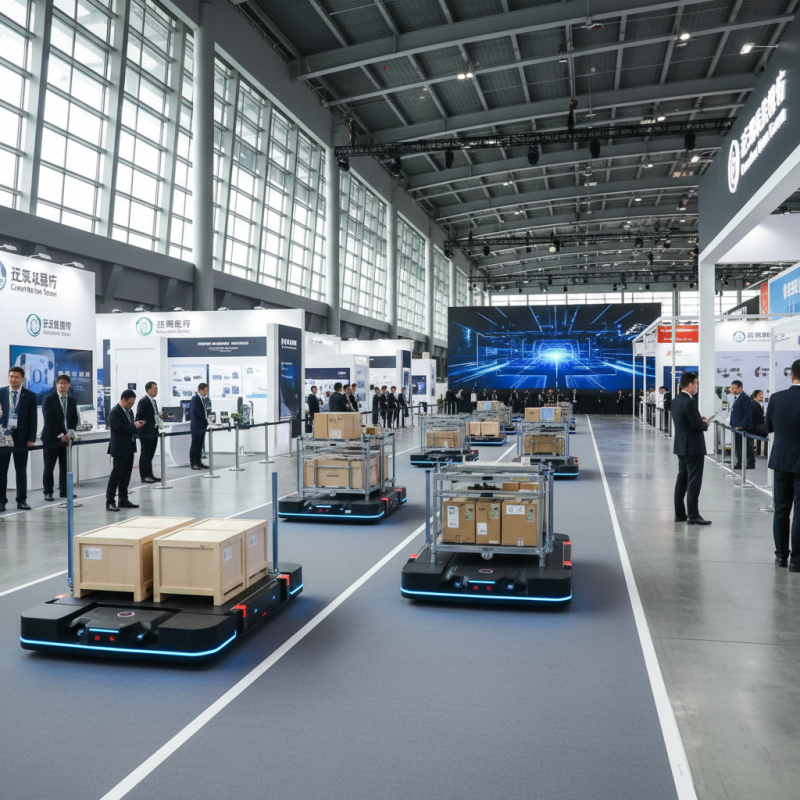
At the Canton Fair, AGVs facilitate seamless navigation across its vast 1.55 million square meters. This feature is crucial as it helps mitigate common challenges such as congestion and navigation errors. AGVs can adapt to various environments, reflecting the ongoing evolution in smart manufacturing. Yet, challenges remain. The integration of this technology requires careful planning and training to ensure optimal usage.
With the introduction of AI-driven features at the fair, vendors can expect improved sourcing experiences. However, it is important to recognize that technology alone cannot solve all logistical complexities. Continuous evaluation and adjustment are paramount to leverage the full potential of AGVs.
Definition and Overview of Autonomous Guided Vehicles
Autonomous Guided Vehicles (AGVs) are becoming more common in various settings, including manufacturing and logistics. These vehicles operate independently using sensors and software. They navigate through environments without human intervention, improving efficiency and reducing labor costs.
At the 139th Canton Fair, AGVs showcase advanced technologies. They can transport goods, making processes faster. Companies demonstrate their capabilities, displaying different sizes and shapes. Some AGVs are small and suitable for tight spaces. Others are larger, able to move heavy loads.
However, the adoption of AGVs isn't without challenges. Some businesses struggle with integration into existing systems. The initial cost can be high for some enterprises. There are concerns about reliability in unpredictable environments. Despite these challenges, the potential benefits of AGVs in enhancing productivity are significant. As more innovations emerge, the future of these vehicles looks promising, but ongoing improvements are essential for broader acceptance.
Autonomous Guided Vehicles Overview at the 139th Canton Fair
The chart above illustrates the number of units of various types of Autonomous Guided Vehicles (AGVs) exhibited at the 139th Canton Fair. Each type of AGV offers distinct functionalities tailored for specific industrial applications.
Technological Features of Autonomous Guided Vehicles
Autonomous Guided Vehicles (AGVs) are transforming logistics at the 139th Canton Fair. These vehicles operate without human intervention, enhancing efficiency in material handling. According to a recent industry report by ResearchAndMarkets, the global AGV market is projected to reach $8.7 billion by 2026, growing at a CAGR of 14.9%. This growth underscores the relevance of AGVs in modern supply chains.
AGVs feature advanced technologies like LIDAR and computer vision for navigation. They can move freely within facilities, adapting to dynamic environments. Many AGVs also utilize real-time data analytics for optimal routing. However, challenges remain in integration with existing systems and ensuring reliability. While AGVs are efficient, their maintenance requires careful planning and resources.
The versatility of AGVs is impressive. They handle various loads, from pallets to smaller packages. Manufacturers report efficiency improvements of up to 30% when incorporating AGVs. Yet, the initial investment can be significant, raising questions about cost-effectiveness. This trade-off between upfront costs and long-term gains remains a topic for further exploration in the industry.
Applications of Autonomous Guided Vehicles at the Canton Fair
Autonomous Guided Vehicles (AGVs) are becoming essential at the 139th Canton Fair. These vehicles navigate autonomously, transporting goods across the vast exhibition space. Their design allows them to avoid obstacles and adjust paths in real-time. The goal is to improve efficiency and reduce manual labor.
At the fair, AGVs will demonstrate various applications. They can move heavy machinery parts or deliver promotional materials. With less human intervention, they reduce potential workplace accidents. However, not all AGVs function perfectly. Technical glitches can occur, causing delays. Some visitors may feel frustrated by unexpected stops. Learning to adapt to such hiccups is vital for overall success.
Each AGV is programmed to handle specific tasks. This targeted approach allows for streamlined operations. Nevertheless, the reliance on technology raises concerns about oversight. A well-trained staff is still necessary for emergency situations. Balancing automation with human involvement remains a challenge worth considering.
Benefits of Using Autonomous Guided Vehicles in Trade Shows
Autonomous Guided Vehicles (AGVs) are revolutionizing trade shows like the 139th Canton Fair. These vehicles automate transportation tasks. According to a report by Allied Market Research, the AGV market is expected to reach $12 billion by 2027. This surge is driven by the efficiency and cost-effectiveness of AGVs.
One major benefit of AGVs at trade shows is improved logistics. They can navigate crowded spaces with ease. This reduces wait times for booth setup. A study from the International Trade Association highlights that timely delivery during trade events can increase engagement by up to 30%. However, integration can be challenging. Not all venues are suitable for AGVs. Poor infrastructure can hinder their efficiency.
AGVs also enhance safety. They minimize human errors, which often lead to accidents. In a recent survey, over 50% of trade show organizers reported concerns about safety. While AGVs address these issues, they require supervision and maintenance. Organizations should reflect on the balance between automation and human oversight in such dynamic environments.
Future Trends and Developments in Autonomous Guided Vehicles
Autonomous Guided Vehicles (AGVs) are reshaping the logistics landscape, particularly at events like the 139th Canton Fair. The global AGV market is projected to grow significantly, with a CAGR of about 15% from 2023 to 2028, according to industry reports. This rapid growth highlights the increasing demand for automation in warehousing and transportation.
AGVs offer streamlined operations, reducing labor costs and enhancing efficiency in material handling. They can navigate complex environments independently, using advanced sensors and AI algorithms. However, deploying AGVs is not a one-size-fits-all solution. Organizations must assess their specific needs, infrastructure, and potential challenges, such as integration with existing systems.
Tips: Evaluate your facility layout. AGVs thrive in structured environments. Simple pathways can reduce navigation errors. Keep an eye on maintenance needs as well. Regular checks can prevent downtime.
As AGVs become more prevalent, future developments will likely focus on improved safety features and enhanced AI capabilities. Industry analysts predict that by 2025, nearly 70% of warehouses will utilize some form of AGVs. This highlights a need for continuous learning and adaptation. Organizations must not overlook the importance of training staff to work alongside AGVs effectively. Embracing this technology requires an understanding of both its benefits and limitations.