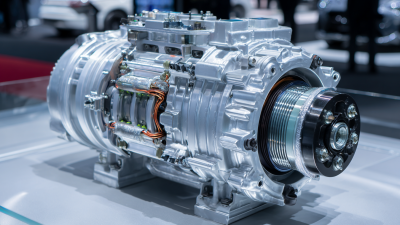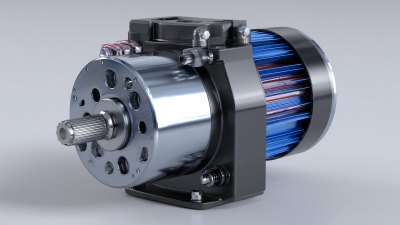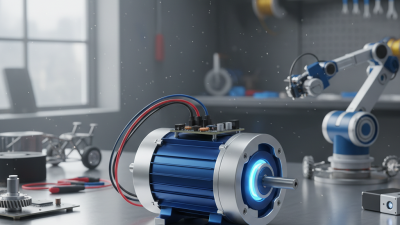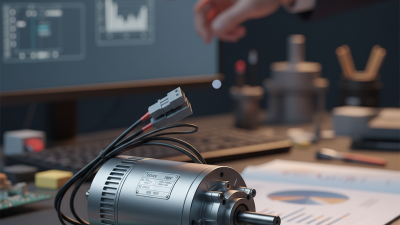
The axial flux permanent magnet motor is revolutionizing the way we think about electric motors. Dr. Emily Chen, a leading expert in motor technology, states, “Axial flux motors offer unmatched efficiency and compact design for various applications.” This innovation is poised to change industries like automotive and renewable energy.
The construction of an axial flux permanent magnet motor allows for a more efficient use of space. Its unique design places magnets on both sides of the rotor. This arrangement reduces weight and increases power density. However, the technology is still in its developmental phase. Challenges such as manufacturing consistency and scaling remain.
Despite these hurdles, the advantages are compelling. Axial flux permanent magnet motors promise higher torque and better thermal performance. They can significantly enhance system performance in electric vehicles. As industries shift towards greener technology, these motors could play a key role. The focus is on overcoming existing obstacles while harnessing their full potential.
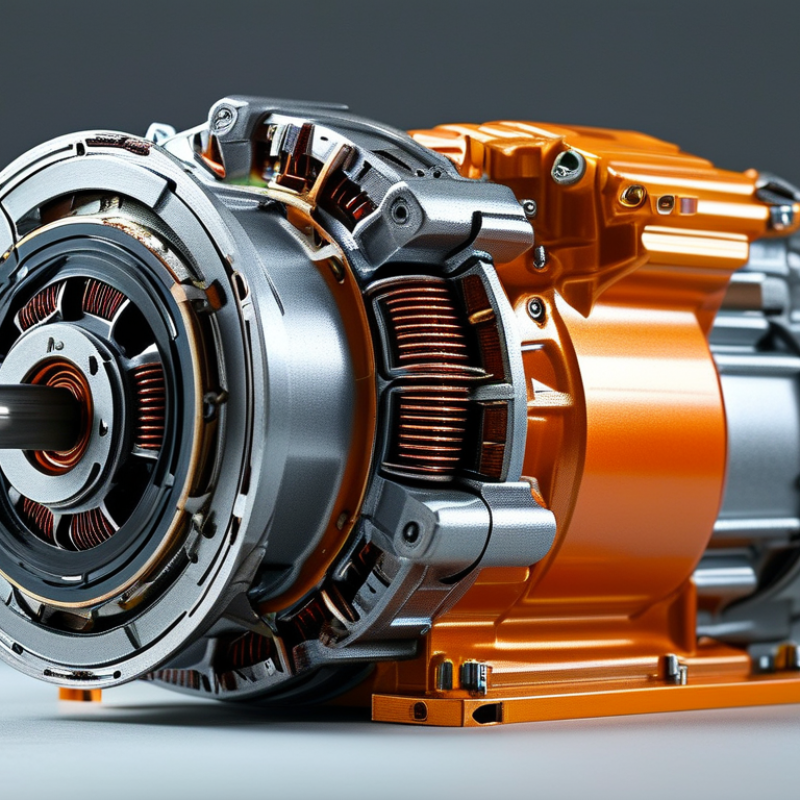
Axial Flux Permanent Magnet Motors (AFPM) are gaining traction for their unique design and efficiency. Unlike traditional motors, AFPMs have a flat structure where the rotor is sandwiched between two stators. This design allows for a compact form factor and high power density. With fewer components, they can be lighter and more efficient. The axial flux configuration plays a vital role in reducing the distance energy must travel, leading to less energy loss during operation.
One significant advantage of AFPMs is their engineered magnetic field. This design enhances torque output while minimizing cogging. The result is a smoother operation with less vibration. Additionally, the efficiency of these motors can exceed that of conventional designs, making them a preferred choice for applications where space and energy savings are critical. However, manufacturing complexities and material costs can present challenges. It's crucial for engineers to weigh these factors when considering AFPM for specific applications.
Another point of interest is the cooling capability of Axial Flux Motors. Their design allows better heat dissipation compared to traditional motors. This enhances their longevity and performance. While AFPMs present multiple benefits, they also invite ongoing research to maximize their potential. Continuous improvements and innovative designs will be necessary to address technical hurdles and establish AFPMs as a standard in motor technology.
| Feature | Description | Advantage |
|---|---|---|
| Form Factor | Flat design with a compact profile | Allows easy integration into various applications |
| Power Density | High torque with a smaller size | More powerful motors without increasing weight |
| Cooling Efficiency | Enhanced heat dissipation design | Improved performance and lifespan |
| Manufacturing Cost | Cost-effectiveness in production | Lower overall costs for end-users |
| Maintenance | Reduced moving parts compared to typical motors | Lower maintenance requirements |
| Noise Level | Quieter operation | Better for noise-sensitive environments |
Axial flux permanent magnet motors (AFPMMs) are gaining traction in various applications due to their unique design and efficiency. The key components of these motors include the rotor, stator, and magnets. The rotor is disc-shaped, allowing for a compact structure. This design minimizes the air gap between the rotor and stator, leading to improved efficiency in energy conversion.
The stator is often made of laminated silicon steel. Its layered structure reduces losses due to eddy currents. The permanent magnets, usually made from rare earth materials, are mounted on the rotor. They create a magnetic field that drives the rotor's rotation. This configuration is conducive to high torque production with less energy input, making it appealing for electric vehicles and industrial applications.
However, the manufacturing process of these components can be complex. Achieving the right alignment of magnets requires precision engineering. Additionally, the cost of rare earth materials can impact overall affordability. These factors necessitate careful consideration during design and production. Exploring alternative materials may help mitigate some of these challenges, enhancing the motor's sustainability.
Axial Flux Permanent Magnet Motors (AFPMMs) operate on a distinct principle that sets them apart from traditional motors. These motors feature a disc-shaped design, allowing magnetic flux to flow axially rather than radially. This configuration maximizes the use of magnetic materials and enhances efficiency. Research from industry reports indicates that these motors can achieve efficiency levels exceeding 95%, making them highly attractive for various applications, especially in electric vehicles and renewable energy systems.
The working principle relies on the interaction between the magnets and the stator windings. The magnets are mounted on one or both sides of the rotor, creating a direct path for the magnetic flux. This design significantly reduces cogging torque and improves response times. A study reported that AFPMMs can provide a power density of up to 6 kW/kg, which is notably higher than conventional motors. However, while this technology presents impressive advantages, challenges exist. For instance, manufacturing complexities and costs associated with high-performance materials can be barriers to widespread adoption.
Despite these obstacles, the potential of axial flux designs is undeniable. As the demand for energy-efficient solutions grows, continuous improvements in cost-effectiveness and reliability are essential. Research and development efforts are ongoing, aiming to refine these motors further and overcome existing limitations.
Axial Flux Permanent Magnet Motors (AFPMMs) are revolutionizing motor technology. They offer unique advantages over traditional motors. These motors have a flat structure that enhances efficiency. This design reduces the distance between the rotor and stator, resulting in reduced energy losses. Moreover, AFPMMs are typically lighter than conventional models. This helps in applications where weight is a critical factor, such as electric vehicles.
The cooling efficiency of axial flux motors is noteworthy. Their structure allows for better heat dissipation, thus enhancing performance. Enhanced thermal management can lead to longer operational life. Additionally, AFPMMs can be fabricated using fewer materials. This sustainability aspect is attractive for industries aiming for greener solutions. The potential for integration with advanced technologies also exists. Manufacturers can develop smarter systems with improved control over motor functions.
Consider this when choosing a motor type. Assessing the specific requirements of your application is essential. An axial flux motor may not suit every scenario, especially if your system requires high torque at low speeds. Reflecting on your needs can lead to better decisions. Investigate your options thoroughly. This contemplation can bring significant benefits down the line.
Axial Flux Permanent Magnet Motors (AFPMs) have gained traction in several industries due to their unique design and efficiency. Their flat form factor allows for compact installations, making them suitable for urban vehicles and drones. These motors generate high torque at low speeds, making them ideal for applications requiring high efficiency in confined spaces. From electric cars to renewable energy systems, their versatility offers a promising future across multiple sectors.
Looking ahead, AFPM technology will likely evolve further. Emerging applications include robotics and marine propulsion, where space and weight-saving designs are crucial. However, challenges remain. Manufacturing costs for AFPMs can be high, limiting their widespread adoption. There’s a need for more research into cost-effective materials and production methods. As industries adapt, the demand for cutting-edge motor technology may push improvements in this area.
Users have expressed concerns about reliability and maintenance. While AFPMs offer excellent performance, understanding their longevity over time is vital. Sustainability practices in motor production and recycling are critical. Developing a more holistic view of AFPMs in the supply chain will enhance their credibility. Balancing efficiency and reliability will determine their place in future technology landscapes.