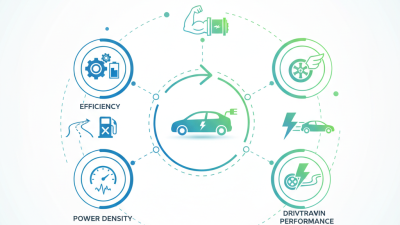
The increasing global focus on sustainable energy solutions has prompted the exploration of innovative technologies that can enhance efficiency and reduce our carbon footprint. Among these advancements, the neodymium magnet motor has emerged as a key player in the field of renewable energy. These motors, which leverage the remarkable properties of neodymium magnets, offer significant advantages over traditional motors in terms of performance, size, and energy consumption. By harnessing the power of neodymium, these motors provide a magnetic field that is both strong and compact, enabling their application in various renewable systems, from wind turbines to solar energy converters.
Throughout this exploration, we will delve into the top ten benefits of neodymium magnet motors that contribute to their rising prominence in renewable energy solutions. These benefits not only highlight their technical superiority but also underscore their role in driving down costs and improving the efficiency of renewable energy systems. As we seek alternatives to fossil fuels, understanding the pivotal advantages of neodymium magnet motors is essential for advancing the development and implementation of sustainable energy technologies that can power our future.

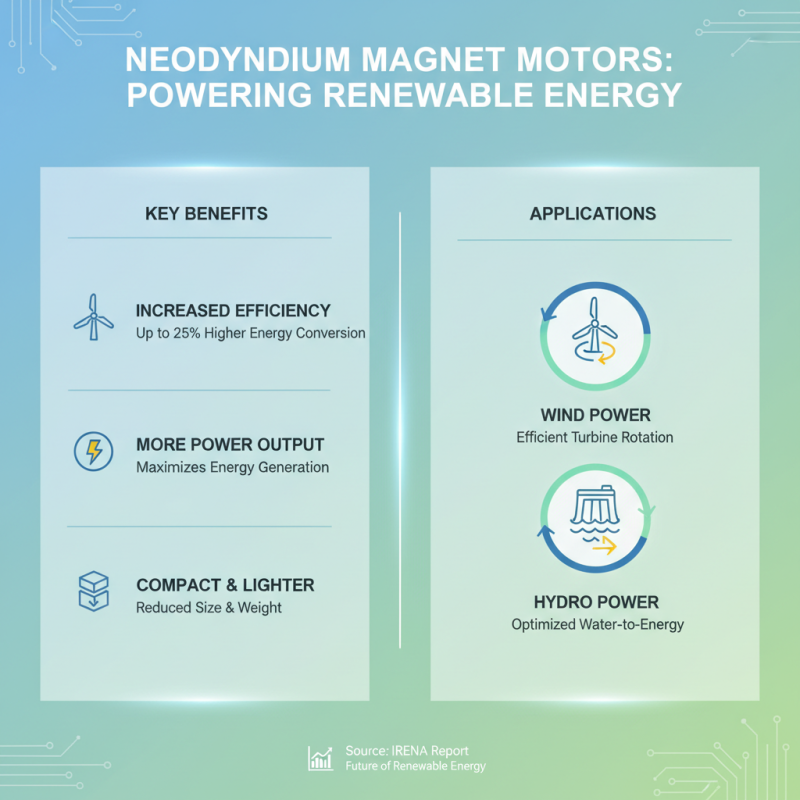
Neodymium magnet motors have emerged as a pivotal technology in renewable energy solutions, particularly in wind and hydroelectric power generation. These motors harness the remarkable strength of neodymium magnets, which are known for their high magnetic field strength and efficiency. According to a report by the International Renewable Energy Agency (IRENA), the integration of neodymium magnet motors can increase energy conversion efficiency by up to 25% compared to conventional motors. This significant boost not only maximizes energy output but also reduces the overall size and weight of the generator systems, making them easier to install and maintain.
Moreover, neodymium magnets are also critical in enhancing the performance of electric vehicles and energy storage systems. The Global Wind Energy Council (GWEC) highlights that using these advanced magnets in turbine designs can lead to improved operational lifetimes and reduced maintenance costs. As renewable energy systems become more embedded in global energy strategies, the demand for neodymium magnet motors is projected to grow, with a forecast increase in deployment across various sectors. In fact, the market for rare earth magnets is expected to reach $30 billion by 2028, reflecting the expanding role these motors play in achieving sustainable energy goals.
Neodymium magnets, renowned for their exceptional magnetic strength, play a pivotal role in enhancing the efficiency of motors used in renewable energy solutions. These high-performance magnets are essential in the design of electric motors, which are crucial for harnessing energy from sources like wind and solar. According to a report by the International Renewable Energy Agency (IRENA), integrating neodymium magnets in motor systems can increase overall energy conversion efficiency by up to 30%, a significant improvement compared to traditional magnetic materials.
The key advantages of neodymium magnets extend beyond mere efficiency; their compact size and lightweight nature allow for the design of more streamlined motors. This is particularly beneficial in applications where space and weight are critical constraints. For instance, a study conducted by the National Renewable Energy Laboratory (NREL) highlights that motors utilizing neodymium magnets can achieve a power-to-weight ratio that is significantly superior, leading to lighter installations that require less structural support.
Tips for utilizing neodymium magnets effectively in motor design include optimizing the geometry of the magnet arrangement to maximize flux density and considering advanced cooling techniques to manage heat in high-performance applications. Additionally, engineers should explore innovative materials for motor construction that complement the magnetic properties of neodymium, contributing to enhanced durability and longevity in renewable energy systems.
Neodymium magnet motors offer a groundbreaking approach to enhancing efficiency and performance in renewable energy applications. These motors utilize the incredible magnetic properties of neodymium to produce stronger magnetic fields with smaller, lighter designs. This not only reduces the overall weight of energy systems but also allows for finer control and responsiveness in power generation. As a result, renewable energy sources like wind and solar can achieve unprecedented levels of efficiency, harnessing more energy with minimal loss.
Tips for maximizing the benefits of neodymium magnet motors in renewable energy solutions include choosing the right motor size based on your specific application needs. Smaller motors can provide the necessary power without the bulk, while larger setups can be utilized in situations requiring high torque and power output.
Additionally, regular maintenance and proper placement of these motors in energy systems can significantly extend their lifespan and improve their operational efficiency.
Incorporating neodymium magnets into your renewable energy designs can also lead to breakthroughs in energy conversion rates. By optimizing the geometric arrangement of these magnets, engineers can create motors that operate more effectively under varying conditions, ultimately enhancing energy capture and output. Embracing these advanced technologies not only contributes to more sustainable energy solutions but also paves the way for innovative applications in various sectors.
Neodymium magnet motors have made significant strides in renewable energy applications, contributing to a more sustainable future. One of the foremost environmental benefits of these motors is their ability to increase energy efficiency. By harnessing the exceptional strength of neodymium magnets, these motors can operate at lower energy inputs while producing more power compared to conventional motors. This heightened efficiency translates to reduced energy consumption and, consequently, lower greenhouse gas emissions, directly addressing climate change concerns.
Furthermore, the use of neodymium magnets in motor design promotes the development of smaller, lighter systems, which can be particularly beneficial in wind and solar energy applications. These compact systems require fewer raw materials and less energy for production, thus minimizing the overall environmental footprint. Their durability and longevity also mean that replacements and repairs are less frequent, reducing waste and resource consumption over time. In transitioning towards these innovative solutions, the renewable energy sector not only enhances its operational efficacy but also fosters a more eco-friendly approach, reinforcing the importance of sustainable practices in today's energy landscape.
| Benefit | Description | Environmental Impact |
|---|---|---|
| Higher Efficiency | Neodymium magnets enable motors to operate at higher efficiency compared to conventional motors. | Reduced energy waste leads to lower carbon emissions. |
| Compact Design | Smaller size allows for more flexible installations in various renewable energy systems. | Less material usage contributes to sustainability. |
| Low Maintenance | Long lifespan and minimal wear compared to traditional motors. | Reduction in waste from frequent replacements. |
| High Power-to-Weight Ratio | Delivers powerful output without the bulk. | Reduces material usage for energy solutions. |
| Quiet Operation | Emits less noise compared to traditional motors. | Minimizes noise pollution in renewable energy installations. |
| Enhanced Temperature Resistance | Operates effectively in extreme temperatures. | Increases reliability in various environmental conditions. |
| Recyclability | Materials in neodymium motors can often be recycled. | Supports circular economy initiatives. |
| Versatile Applications | Can be used in wind turbines, solar panels, and other renewable technologies. | Facilitates integration of renewable energy sources. |
| Improved Energy Storage | Enhances performance in energy storage systems like flywheels and batteries. | Supports more efficient energy use and capacity. |
| Support for Smart Technologies | Facilitates the development of smart grids and advanced monitoring systems. | Enhances energy efficiency across wider applications. |
The future prospects for neodymium motors in sustainable energy solutions are exceptionally promising, given their high efficiency and compact design. According to a report published by the International Energy Agency (IEA), the integration of neodymium magnet motors in renewable energy infrastructure can lead to a significant increase in system performance. For example, neodymium motors can enhance the efficiency of wind turbines by up to 30%, making them a key component in the drive for cleaner energy sources worldwide.
Moreover, as global energy demands rise, the need for innovations in energy generation and storage becomes critical. Research from the National Renewable Energy Laboratory indicates that neodymium magnet motors can reduce the overall carbon footprint of electric vehicles (EVs) by improving their power-to-weight ratio significantly. This improvement not only facilitates better mileage but also accelerates the transition to greener transportation methods, aligning with the global goal of achieving net-zero emissions by 2050. As industries and governments seek scalable, sustainable solutions, neodymium motors represent a vital step toward realizing a more efficient, eco-friendly energy landscape.