Best Battery Connector Solutions for Global Buyers?
In the evolving landscape of technology, Battery Connectors play a crucial role in power management and distribution. They are essential for various applications, from consumer electronics to industrial machinery. As global buyers seek reliable solutions, understanding the features and types of Battery Connectors is vital.
Safety and efficiency are key factors when selecting Battery Connectors. High-quality connectors ensure durable connections and minimize the risk of failure. However, not all connectors are created equal. Buyers often encounter challenges ranging from compatibility issues to variations in quality. This creates a pressing need for informed decision-making.
Global suppliers offer a range of solutions, yet the choices can be overwhelming. Each option may have its unique benefits and potential drawbacks. Manufacturers need to be aware of the intricacies involved. Deep knowledge of each product is essential in making the right choice. Without it, buyers may find themselves facing costly mistakes. Ultimately, a careful analysis of Battery Connector solutions will lead to better outcomes in performance and longevity.
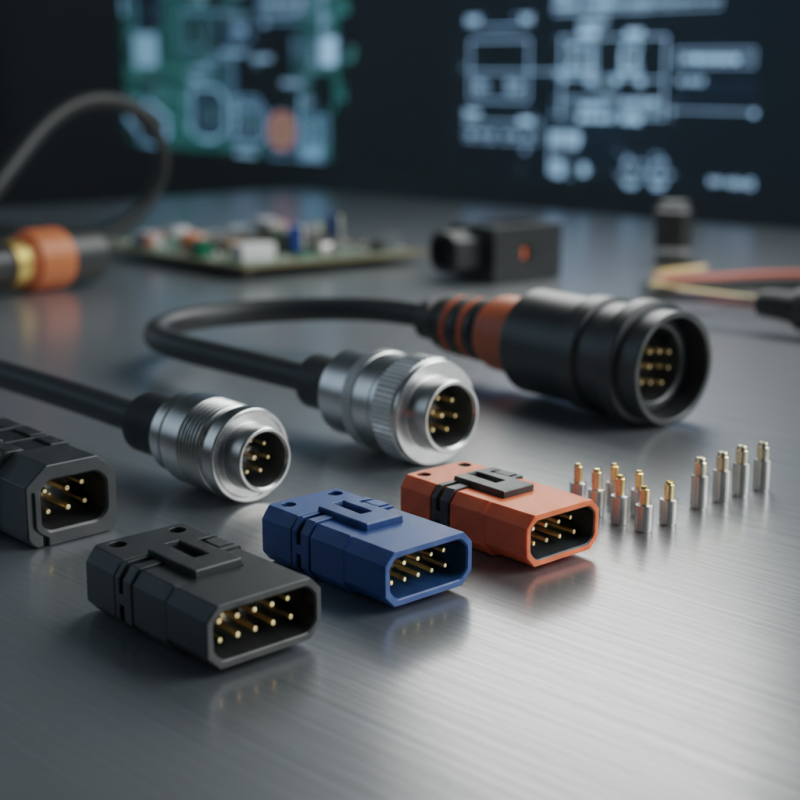
Overview of Battery Connector Types and Their Applications
Battery connectors are vital in various applications, ranging from consumer electronics to industrial machinery. Different connector types serve specific needs based on their design and functionality. For instance, solderless connections are preferred for ease of assembly in consumer devices. They ensure a reliable link while allowing for easy replacements.
On the other hand, high-current connectors are essential for electric vehicles and renewable energy systems. These connectors must handle significant amperage while maintaining safety standards. Their design incorporates locking mechanisms to prevent accidental disconnections. Additionally, waterproof options are available for outdoor applications, enhancing durability in harsh environments.
However, choosing the right connector can be challenging. Buyers often overlook compatibility issues with existing systems. Miscommunication about specifications can lead to costly mistakes. It's crucial to thoroughly evaluate the application requirements, including current, voltage, and environmental factors. Regular reviews of connector performance can foster improvements. This reflection may enhance long-term satisfaction and reliability in battery connections.
Key Factors to Consider When Choosing Battery Connectors
When selecting battery connectors, several key factors come into play. First, consider the connector type that fits your application. Each type serves different purposes, from high-power applications to low-voltage scenarios. The choice of connector influences both performance and safety. For instance, connectors must withstand specific voltage levels and current capacities. Ensuring compatibility with your battery type is crucial for optimal functionality.
Material quality is another essential factor. The choice between metals, like copper or aluminum, can impact conductivity and durability. Connectors made from high-quality materials resist corrosion and wear over time, enhancing reliability. Additionally, the design of the connector affects ease of use. Ergonomic designs allow for effortless connections and disconnections, especially in high-frequency applications.
Safety features should not be overlooked. Consider connectors with built-in safeguards against overcurrent and short circuits. Often, a secure locking mechanism helps prevent accidental disconnections. While performance is vital, usability can sometimes be overlooked. Users may prioritize features over practicality. It’s worth reflecting on how these choices can affect the overall user experience and safety in the long run.
Best Battery Connector Solutions for Global Buyers
| Connector Type | Current Rating (A) | Voltage Rating (V) | Contact Material | Operating Temperature (°C) | Durability (Cycles) |
| Standard Connector | 30 | 600 | Copper | -20 to 85 | 1000 |
| High Power Connector | 150 | 1000 | Gold-plated | -40 to 120 | 500 |
| Mini Connector | 10 | 300 | Tin-plated | -10 to 60 | 2000 |
| Automotive Connector | 50 | 400 | Copper alloy | -30 to 85 | 1000 |
| Waterproof Connector | 25 | 500 | Stainless Steel | -20 to 85 | 800 |
Top Manufacturers of Battery Connector Solutions Worldwide
In the global market for battery connector solutions, several manufacturers emerge as leaders, each contributing unique expertise. These companies focus on durability, efficiency, and safety, vital attributes for various applications. Their designs must accommodate a range of battery types. This complexity highlights the need for continuous innovation.
A top priority for these manufacturers is reliability in extreme conditions. Components often face challenges, like temperature fluctuations and moisture exposure. Addressing these factors requires significant investment in research and development. Some manufacturers excel, while others lag behind, revealing a clear division in quality. This inconsistency prompts buyers to evaluate options carefully.
As the demand for sustainable energy sources grows, manufacturers are adapting to new technologies. However, there are gaps in some companies’ abilities to meet this shift. A proactive approach is crucial, yet many hesitate to embrace change. This reluctance could hinder their competitiveness. Buyers should remain vigilant, ensuring they select partners capable of growing alongside evolving industry standards.
Battery Connector Market Share by Region
Innovative Technologies in Battery Connector Design
The evolution of battery connectors plays a crucial role in energy storage solutions. Innovative technologies in battery connector design are shaping the future. For instance, the latest developments focus on enhancing conductivity and durability. This results in connectors that can withstand extreme conditions while maintaining high performance.
Additionally, modular designs are gaining traction. They offer flexibility for various applications. Manufacturers are exploring materials that are lightweight yet robust. This shift can lead to improved efficiency in energy transfer. Still, there are challenges to consider. Some designs may not be fully optimized for all battery types, leading to compatibility issues.
Furthermore, safety features are becoming more prominent. Connectors are now designed with built-in protection against overheating and short circuits. Despite these advancements, the industry faces the challenge of balancing innovation with cost. Emerging technologies should remain accessible to a wider audience. Addressing these aspects can further enhance reliability and performance in battery connectors.
Future Trends in Battery Connector Market and Sustainability
The battery connector market is evolving rapidly. Sustainability is at the forefront of this transformation. Manufacturers are increasingly focusing on eco-friendly materials. This shift reduces environmental impact and aligns with global sustainability goals.
Tips: Consider prioritizing materials that are recyclable. This will not only benefit the planet but also enhance the marketability of your products.
In line with this trend, energy efficiency is crucial. Connectors designed with lower resistance levels lead to better energy usage. They help minimize energy loss, which is essential for future battery systems. However, ensuring compatibility across various devices remains a challenge. A lack of standardization could hinder progress.
Tips: Collaborate with industry leaders to establish new standards. This can drive innovation while maintaining quality.
The market must also address the complexities of production. Achieving high performance without compromising sustainability can be difficult. Manufacturers should continuously evaluate their processes for improvement. Identifying areas for better efficiency is critical in a competitive landscape.