Best Permanent Magnet DC Motor 180V Options for Global Buyers?
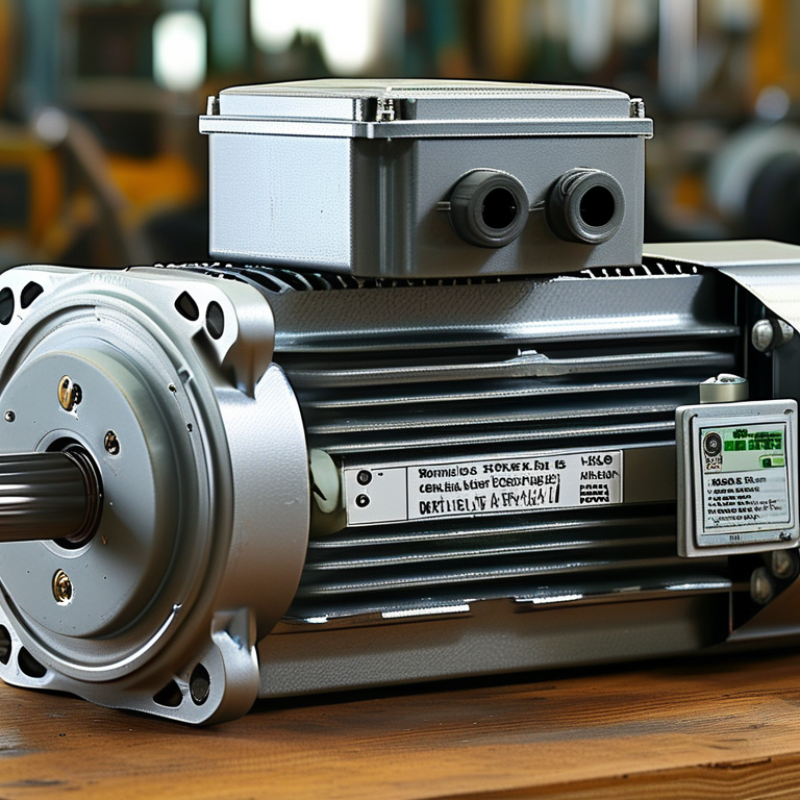
In the world of industrial applications, the choice of a permanent magnet DC motor 180V can greatly influence performance. These motors offer efficiency and reliability. For global buyers, understanding their unique features is essential.
Selecting the right permanent magnet DC motor 180V is not straightforward. Factors such as torque, speed control, and size play critical roles. While many options exist, not all meet high standards of quality. Experienced buyers know to focus on well-reviewed products from reputable manufacturers.
However, the market is ever-changing. Each model has its pros and cons. Often, buyers are left with questions about compatibility and performance. Taking time to research can prevent costly mistakes and ensure long-term satisfaction. This exploration aims to highlight reliable choices for those seeking the best options worldwide.
Overview of Permanent Magnet DC Motors and Their Applications
Permanent magnet DC motors (PMDC motors) have gained significant attention across various industries. These motors are known for their efficiency and compact design. The global market for PMDC motors is projected to grow at a CAGR of 7.5% from 2021 to 2028, indicating rising demand. They are widely used in automation systems, robotics, and electric vehicles due to their reliability.
A key strength of PMDC motors is their ability to maintain constant torque and speed. This makes them suitable for applications that require precision and stability. In industrial settings, these motors often power conveyor belts and processing equipment. However, users must consider the heat generated during operation, which can affect performance.
Despite their advantages, PMDC motors can face challenges in efficiency when loaded. When overloaded, their performance diminishes quickly. Engineers must assess torque requirements meticulously. In some cases, switching to other motor types may be more beneficial. The choice of motor is crucial for the application's long-term success, reflecting the need for careful planning.
Key Features of 180V Permanent Magnet DC Motors
When exploring the best options for 180V permanent magnet DC motors, key features play a crucial role. These motors are known for their high efficiency and compact design. They offer superior torque at high speeds, making them suitable for various applications.
Users should consider their cooling requirements. Some models may need additional cooling solutions to maintain optimal performance during extended use.
Another important feature is the ease of maintenance. Many 180V permanent magnet DC motors have fewer moving parts compared to traditional motors. This reduces wear and tear, leading to longer service life. Monitoring systems can also be integrated. They provide real-time data on motor performance. Users can use this feedback for predictive maintenance.
Potential buyers must also reflect on power ratings. Choosing the right voltage and current ratings is essential. Underrating can lead to overheating, while overrated specifications can cause inefficiency. Users should carefully evaluate their needs before purchasing. This consideration can help in selecting the most appropriate motor for their specific tasks.
Top Brands and Models for Global Buyers in 180V Category
When exploring the best permanent magnet DC motors in the 180V category, several factors come into play. The efficiency and power density of these motors are crucial. Research indicates that well-designed permanent magnet motors can achieve efficiencies over 90%. This efficiency translates into reduced energy consumption and longer operational life.
Key aspects to consider include torque-to-weight ratio and thermal performance. High-quality models often provide a torque-to-weight ratio of 2:1 or better. This ratio enhances performance in various applications while reducing overall system weight. Optimal thermal management is also essential. Effective cooling systems ensure that motors operate at peak performance without overheating, which is a common pitfall in many designs.
Moreover, the variety of models available can lead to confusion. Buyers should focus on performance claims supported by credible performance tests. Not all specifications reflect actual performance in real-world applications. It's vital to validate claims through independent reviews or industry data. Considering these variables can help global buyers make informed decisions and find the right fit for their specific needs.
Best Permanent Magnet DC Motor 180V Options for Global Buyers
| Model |
Rated Power (kW) |
Torque (Nm) |
Efficiency (%) |
Weight (kg) |
Price (USD) |
| Model A |
5 |
30 |
90 |
20 |
800 |
| Model B |
7.5 |
40 |
92 |
25 |
1200 |
| Model C |
10 |
60 |
88 |
30 |
1500 |
| Model D |
15 |
75 |
91 |
40 |
2000 |
Factors to Consider When Choosing a Permanent Magnet DC Motor
When selecting a permanent magnet DC motor, several crucial factors come into play. Voltage compatibility is paramount. Ensure the motor’s rating aligns with your application's voltage requirements. For 180V systems, confirm that the motor can handle fluctuations. Factor in the load characteristics, as different setups will demand varying power outputs.
Efficiency is another key consideration. A motor's efficiency affects overall performance and energy consumption. Look for models that provide high torque while minimizing energy loss. Durability matters too. The environment can impact motor lifespan. Motors exposed to dust, moisture, or extreme temperatures require robust construction to withstand these challenges.
Performance specifications are vital. Review parameters like speed and torque ratings. However, be mindful of the trade-offs; high speed might result in lower torque, or vice versa. It's important to reflect on how these specs fit into your specific project needs. Evaluating each motor’s attributes critically is essential for making an informed purchase.
Maintenance and Performance Tips for 180V Permanent Magnet DC Motors
Proper maintenance of 180V permanent magnet DC motors enhances their longevity and performance. Regular inspection is crucial. Check for signs of wear and tear, such as frayed wires or loose connections. These can lead to inefficiencies. Ensure that brushes and commutators are clean. A dirty commutator can cause sparking and even damage the motor over time.
Another important factor is lubrication. Use the right type of lubricant for the bearings. Regularly replace it to avoid overheating. If you notice unusual noises, it may indicate inadequate lubrication or misalignment. Maintain a proper environment as well. Dust and moisture can affect performance and lead to corrosion, so keep the motor sheltered.
Monitoring the motor's operating temperature is essential. Overheating can lead to serious issues. Invest in thermal sensors for real-time data. They're not foolproof but can prevent major failures. Remember, even well-maintained motors might require repairs or replacements occasionally. Having a plan for failures can save time and costs in the long run.