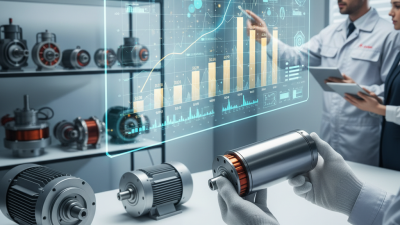
The demand for efficient energy solutions drives the growth of the permanent magnet electric motor market. According to a recent market research report, the global permanent magnet motor market is projected to reach USD 38.2 billion by 2027, growing at a CAGR of 9.5%. This surge is influenced by growing environmental concerns and the need for energy-efficient technologies across various industries.
China has positioned itself as a leading manufacturer of permanent magnet electric motors. The country benefits from advanced technology and low production costs. However, as the competition intensifies, quality and reliability remain critical factors for global buyers. A noteworthy challenge is ensuring that these motors adhere to international standards while still being competitively priced.
Many manufacturers emphasize innovation and sustainability in their designs. Yet, there are still questions about the longevity and performance of some products. Global buyers should carefully evaluate suppliers, considering both expertise and product reliability when selecting permanent magnet electric motors. Understanding the trade-offs can help better navigate this evolving market landscape.
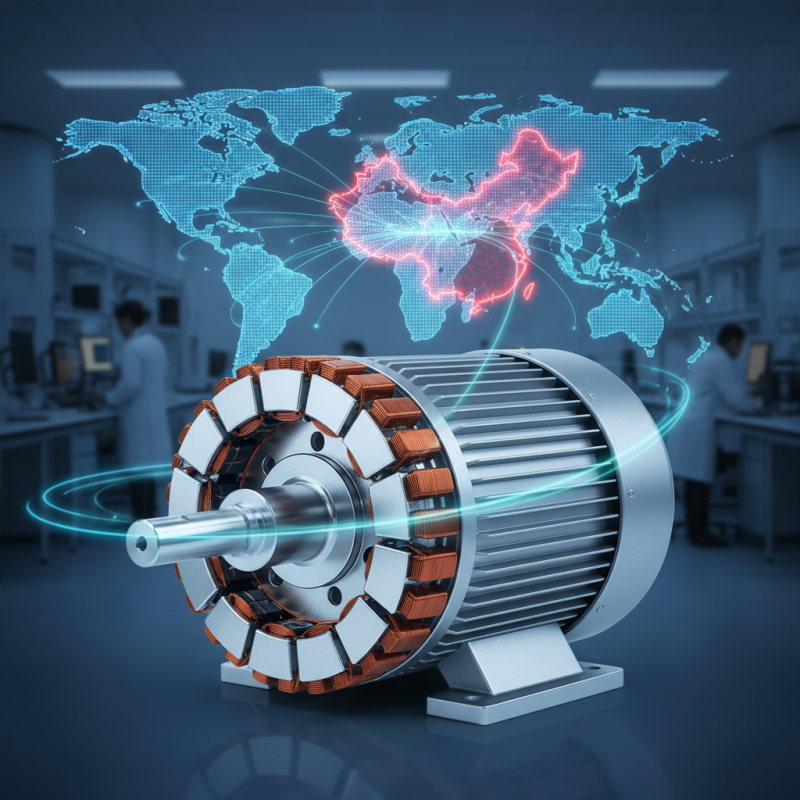
In recent years, China has emerged as a pivotal player in the production of permanent magnet electric motors. The demand for these motors is driven by their efficiency and performance. A report by the International Energy Agency (IEA) highlights that permanent magnet motors can improve energy efficiency by up to 30% compared to traditional motors. This has led to their increased adoption in various sectors, particularly in renewable energy, automotive, and industrial applications.
China's production capabilities are impressive. The country accounted for approximately 40% of the global permanent magnet motor market share in 2022. The estimated growth rate of this sector is projected to be around 8% annually, as reported by Research and Markets. However, challenges remain. Quality control is often an issue. Variability in manufacturing standards can result in inconsistent motor performance. This raises concerns for global buyers seeking reliability in their operations.
The future landscape of permanent magnet electric motors in China is still evolving. With advancements in technology, the potential for innovative designs is vast. Nonetheless, relying heavily on imports for raw materials, especially neodymium, poses a risk. Ensuring a sustainable supply chain is crucial for maintaining growth. Buyers must carefully consider these factors when making procurement decisions.
China has become a key player in the production of permanent magnet electric motors. Many manufacturers focus on advanced technology and innovation. They emphasize high efficiency and sustainability in their designs. This focus attracts global buyers seeking reliable products.
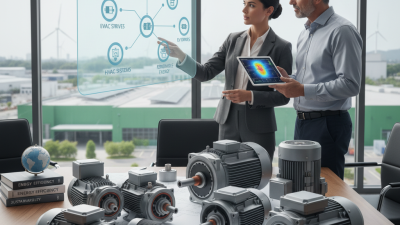
The manufacturing landscape is diverse. Some companies specialize in small-scale motors for specific applications. Others produce larger motors for industrial use. Buyers must research to find the right match for their needs. Quality can vary significantly across different manufacturers. Evaluating performance reports helps in making informed decisions.
Challenges exist in the supply chain. Fluctuations in raw material costs can impact pricing. Potential buyers often face complexities in quality assurance. Collaborating with trustworthy suppliers can mitigate these issues. Many consumers have reported mixed experiences with product reliability. This highlights the importance of thorough vetting before making purchases.
China has become a leading manufacturer of permanent magnet electric motors, offering numerous advantages for global buyers. One notable benefit is their efficiency. These motors often incorporate advanced materials and designs that enhance performance, resulting in lower energy consumption. This efficiency translates into cost savings for businesses that rely on electric motors for their operations.
Durability is another key advantage. China’s production facilities utilize strict quality control measures, ensuring that motors can withstand harsh conditions and long-term use. This reliability can be particularly beneficial in industries where equipment failure can lead to significant losses.
Tips: When selecting a permanent magnet electric motor, consider your specific needs. Evaluate the motor's efficiency ratings and durability specifications. Also, factor in the installation requirements, as some designs may necessitate specialized skills or tools.
Additionally, the growing emphasis on sustainability makes these motors appealing. They often produce lower emissions compared to traditional alternatives. Buyers looking to enhance their green initiatives will find these motors align with eco-friendly goals. Remember to assess the support and warranty options from manufacturers, as these can impact your investment's longevity and performance.
| Feature | Description | Advantages |
|---|---|---|
| High Efficiency | Optimized design reduces energy losses. | Lower operational costs. |
| Compact Size | Smaller footprint for installation. | Saves space in applications. |
| Durability | Robust construction with high-quality materials. | Longer lifespan and reduced maintenance. |
| Quiet Operation | Minimized noise during operation. | Improved working environments and satisfaction. |
| Versatility | Suitable for a wide range of applications. | Can be used in various industries. |
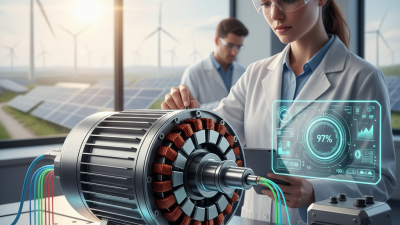
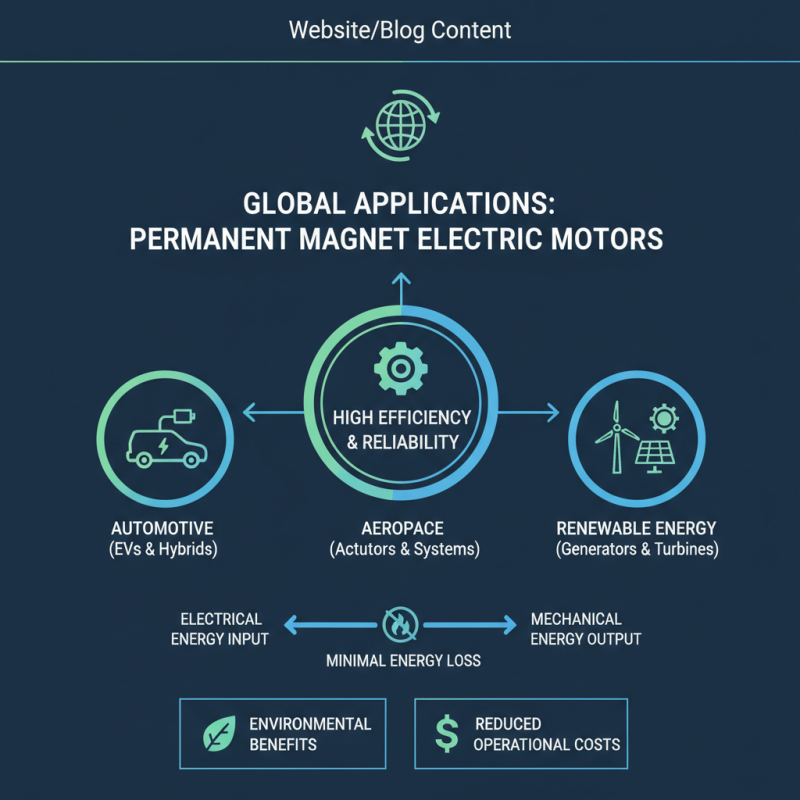
Permanent magnet electric motors are in high demand across various global markets. Their efficiency and reliability make them ideal for many applications. Industries like automotive, aerospace, and renewable energy heavily rely on these motors. They convert electrical energy into mechanical energy with minimal energy loss. This efficiency not only benefits the environment but also reduces operational costs.
In the automotive sector, permanent magnet motors power electric vehicles. These motors offer high torque at low speeds, enhancing performance. In renewable energy, they are used in wind turbines, enabling efficient energy conversion. Manufacturers are increasingly seeking robust and efficient motors to stay competitive.
**Tip:** When selecting a motor, consider the specific requirements of your application. Factors like size, weight, and efficiency will influence performance.
Additionally, manufacturers can face challenges in production. Quality control is essential to ensure reliability. A motor that fails can lead to significant downtime and high repair costs.
**Tip:** Regular maintenance and testing can help identify issues early. Investing in quality assurance can save resources in the long term.
In recent years, Chinese electric motors have gained attention for their advanced technology and strong manufacturing capabilities. However, quality standards and certifications remain critical in ensuring these motors meet global expectations. According to the International Electrotechnical Commission (IEC), compliance with standards such as IEC 60034 is essential for measuring performance and efficiency.
Many factories in China are upgrading processes to achieve ISO 9001 certification, which focuses on quality management. This change helps in producing reliable motors with predictable performance metrics. Additionally, products often receive CE marking, signifying compliance with EU safety and environmental regulations. These standards assure global buyers of the motor’s quality.
Tip: Always check for relevant certifications before purchasing electric motors. This ensures you receive products that meet industry standards. Evaluating a supplier's quality management practices can also prevent potential issues.
Despite advancements, challenges exist. Some manufacturers may prioritize cost-cutting over quality. As a result, defects can occur. Continued investment in training and technology is vital for improving manufacturing reliability. Effective communication with suppliers can also help maintain quality.
Tip: Regular audits of suppliers can mitigate risks associated with quality issues. Establishing clear expectations at the outset can lead to better outcomes in the long term.