Best Permanent Motors for Efficient Industrial Use?

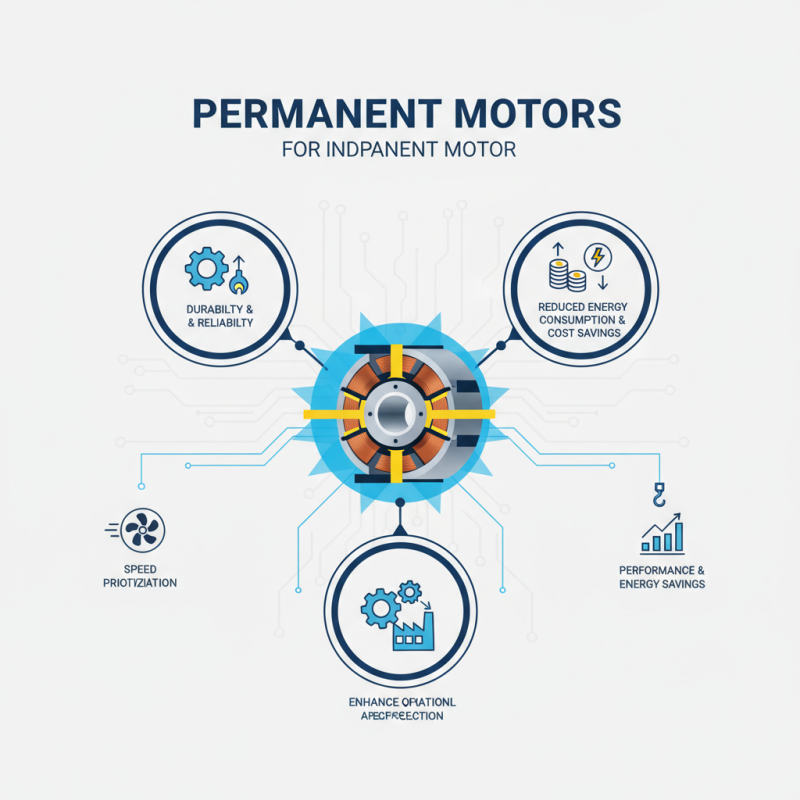
In today's industrial landscape, efficiency is king. A permanent motor stands out as a key player in achieving this goal. These motors are recognized for their durability and reliability. Industrial environments often require robust machinery that can operate continuously without frequent maintenance.

Permanent motors are designed to meet these demands. They utilize powerful magnets, offering consistent performance. This technology reduces energy consumption, making it an economically wise choice. Choosing the right permanent motor is crucial for enhancing operational efficiency. Yet, with various options available, finding the ideal one can be challenging.

Consider how different applications can impact motor selection. Some industries may prioritize speed, while others focus on torque. Each choice has implications on performance and energy savings. It’s essential to assess specific needs before making a decision. Reflecting on these factors can lead to better outcomes in industrial efficiency.
Best Permanent Motors for Efficient Industrial Use?

Types of Permanent Motors Suitable for Industrial Applications

Permanent motors are crucial in various industrial applications. They offer efficiency and durability. Several types of permanent motors stand out for specific uses.

Synchronous motors are one type. They maintain a constant speed, making them suitable for operations that require precision. Industries, like manufacturing and textiles, benefit from their reliability. However, they can be complex to control and may require sophisticated systems.

Another common type is the brushless DC motor. These motors are known for their high efficiency and low maintenance. They operate quietly, making them ideal for environments sensitive to noise. Though they have many advantages, their initial cost can be high. Proper integration and management are key to maximize their potential in industrial settings.
Key Features to Look for in Permanent Motors for Efficiency

Best Permanent Motors for Efficient Industrial Use?

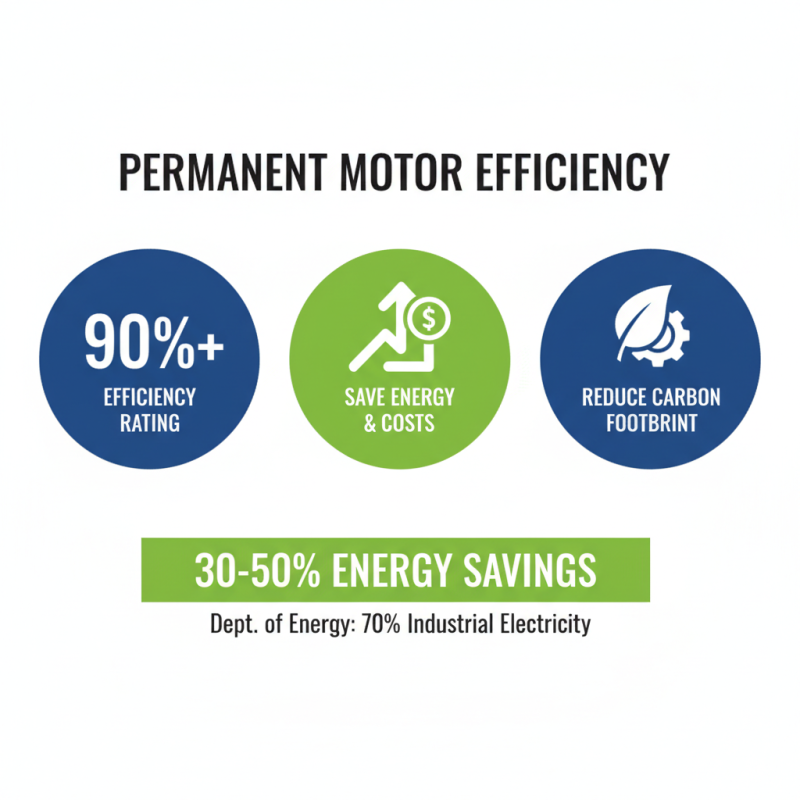
When selecting permanent motors for industrial efficiency, a few key features stand out. Efficiency ratings are essential. Motors with over 90% efficiency not only save energy but also reduce operational costs significantly. According to the Department of Energy, industrial motors account for nearly 70% of industrial electricity consumption. Upgrading to high-efficiency permanent motors can lead to energy savings of 30-50%. This is crucial for companies aiming to reduce their carbon footprint.

Another critical aspect is the magnetic design. Permanent magnet motors offer superior torque performance due to their optimized magnetic materials. This leads to shorter startup times and smoother operations. Recent studies indicate that these motors exhibit up to 60% greater torque at low speeds compared to traditional induction motors. However, attention should be paid to temperature management. Some designs may overheat under heavy loads, impacting long-term reliability and efficiency.

Finally, control systems matter greatly. Advanced electronic controls enhance the responsiveness and adaptability of the motor. They also allow for real-time monitoring, which can prevent failures. Nevertheless, integrating these systems can be complex, requiring skilled personnel. This challenge must be addressed in any efficiency strategy. Investing in proper training could mitigate potential issues with upgrades and installations.

Comparative Analysis of Permanent Motors and Other Motor Types

Permanent motors stand out in industrial applications due to their efficiency and reliability. Their design allows for consistent performance under various conditions. Unlike induction motors, permanent motors maintain their torque and speed better during operations. This means less energy wastage and lower operational costs over time.

However, the benefits come with limitations. Permanent motors can have higher initial costs compared to other types, such as AC or DC motors. Additionally, their performance can decline if exposed to extreme temperatures or environmental factors. Users must consider these aspects when deciding on a motor type for specific industrial needs.

When comparing permanent motors to alternatives, efficiency is a key factor. Permanent motors often outperform in energy savings during continuous operations. Yet, in applications requiring variable speed or torque, other motors might offer better flexibility. It's essential to assess the application's unique requirements before making a choice.

Maintenance Practices to Enhance the Lifespan of Permanent Motors

Maintenance is crucial for enhancing the lifespan of permanent motors used in industrial settings. Regular inspections can prevent unexpected breakdowns. According to the International Electrotechnical Commission, over 30% of motor failures are attributed to lack of maintenance. Simple practices can significantly reduce downtime and repair costs.

One effective strategy is to establish a routine cleaning schedule. Dust and debris can impair motor efficiency. Studies indicate that maintaining clean surfaces can improve performance by up to 15%. Additionally, lubricating bearings and checking for unusual vibrations should be part of preventive measures. Neglecting these tasks can lead to accelerated wear. A study by the National Electrical Manufacturers Association highlights that improper lubrication can shorten motor life by 50%.

Monitoring operating temperatures is also vital. Keeping temperatures within recommended limits ensures that insulation does not degrade. However, industries often overlook this. Inadequate temperature control can lead to failures that could have been avoided. Regular thermal imaging inspections can identify hot spots before they become critical issues. Efforts to combine these practices often reveal areas for improvement in operational protocols.

Best Permanent Motors for Efficient Industrial Use

This chart shows the efficiency ratings of different types of permanent motors used in industrial applications. Proper maintenance practices can significantly enhance the lifespan and efficiency of these motors.

Emerging Technologies in Permanent Motors for Industrial Use

Emerging technologies in permanent motors are reshaping industrial efficiency. Recent studies indicate that advancements in materials and design can significantly enhance performance. For instance, the use of high-energy magnets can boost energy density by over 30%. This increase not only improves the motors' efficiency but also reduces the overall size, facilitating easier integration into existing systems.

Additionally, innovations such as sensorless control systems are gaining attention. These systems offer real-time data processing, optimizing motor operation based on varying load conditions. Industry reports show that implementing such technologies can lead to energy savings of up to 15%. However, the challenge lies in the initial investment. Many facilities are still hesitant to adopt these new technologies due to the costs involved.

Moreover, sustainability is becoming a primary focus. Manufacturers are exploring eco-friendly materials for motor production, yet the transition can be complex. Some industries report struggling with compliance to new environmental regulations. This reflects a need for further research and adaptation. In the race for efficiency, balancing performance, cost, and sustainability is crucial.

Best Permanent Motors for Efficient Industrial Use

Motor Type Efficiency (%) Torque (Nm) Power Rating (kW) Application
Synchronous Permanent Magnet Motor 95 40 15 Robotics
Brushless DC Motor 92 50 10 Conveyor Systems
Switched Reluctance Motor 90 30 7.5 Pumping Applications
Induction Motor 88 25 5 Fans and Blowers
Scroll to Top