
How to Build a Successful Liquefaction Plant?

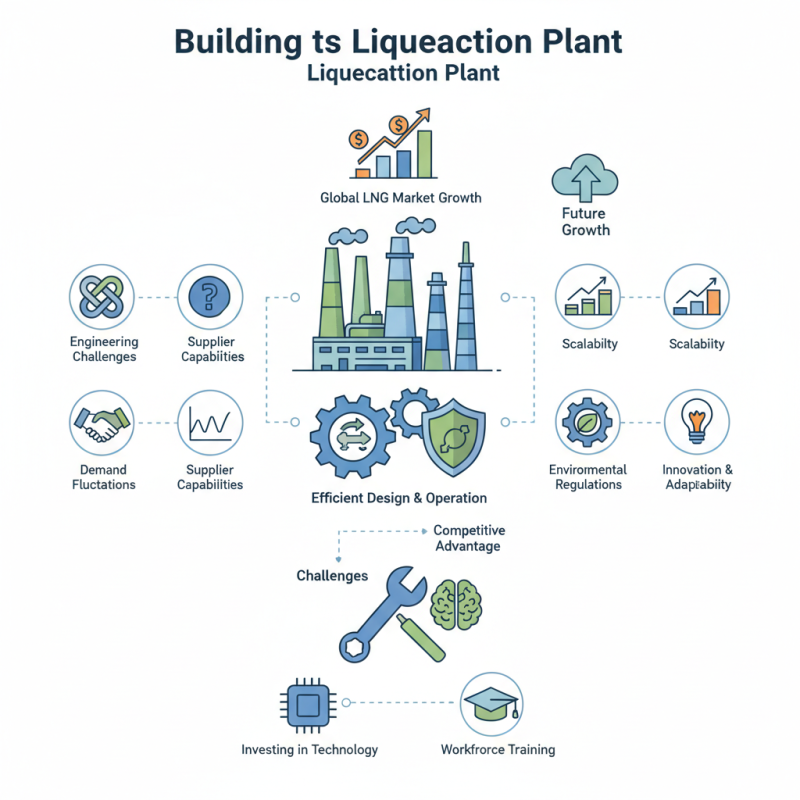
Building a successful Liquefaction Plant is a complex challenge. The global liquefied natural gas (LNG) market reached a value of over $125 billion in 2020, and it's projected to grow significantly. Efficient design and operation are crucial for competitive advantage.

In this dynamic market, a well-designed liquefaction plant can enhance production rates and reduce costs. However, achieving these goals is not straightforward. Companies must navigate engineering challenges, supplier capabilities, and fluctuations in demand.

Moreover, many plants struggle with scalability and environmental regulations. Addressing these concerns is vital for long-term success. Investing in technology and workforce training is necessary. By focusing on innovation and adaptability, operators can position their liquefaction plants for future growth.
How to Build a Successful Liquefaction Plant?

Key Considerations for Liquefaction Plant Site Selection

Selecting the right site for a liquefaction plant is crucial for its success. The location must consider environmental impact. Proximity to water sources is important, as cooling processes need significant amounts. However, being too close can pose risks of flooding. Analyzing historical weather patterns helps avoid future issues.

Infrastructure is another key factor. Ideal locations should have access to transport routes for equipment and resources. However, sites far from established logistics hubs could incur higher operational costs. Land acquisition might also present challenges. Sometimes, suitable land may not be available or may involve complex legal processes.

Safety measures need careful consideration as well. Potential hazards from natural disasters must be assessed. Ground stability is crucial; a plant built on soft soil may face issues. Local regulations and community acceptance should guide decisions too. Working alongside communities can improve project outcomes but often reveals conflicting interests.

Essential Equipment and Technology for Liquefaction Processes

Building a successful liquefaction plant requires careful selection of essential equipment and technology. The core of the plant includes compressors, heat exchangers, and storage tanks. Each piece plays a vital role in the liquefaction process. Properly sized equipment is crucial. Oversized machinery can lead to increased costs and inefficiency.

Tips: Always analyze your specific needs before purchasing any equipment. Conducting a detailed feasibility study can help identify what works best for your plant setup.

Technology integration is also key. Automation software can optimize operations and improve energy efficiency. However, rely on skilled personnel to monitor systems. Automated systems can fail or miscalculate. Regular training sessions are important for operators. This ensures they can respond to any issues effectively.

Tips: Foster a culture of continuous learning within your team. Regularly hold workshops to discuss recent advancements in liquefaction technologies. This will keep your operations ahead. Remember, even the best equipment needs oversight.

Designing Efficient Liquefaction Plant Layouts and Operations

Designing efficient liquefaction plant layouts requires careful consideration of various factors. The arrangement of equipment and space can significantly impact operational efficiency. According to a recent industry report, optimized layouts can increase productivity by up to 20%. Proper placement of equipment reduces the time and energy needed for operations.

When designing the layout, prioritize flow. Materials should move seamlessly from one station to the next. This will minimize delays during production. Additionally, ensure that safety protocols are integrated into the design. An industry study showed that facilities with well-planned layouts saw a reduction in accidents by 30%.

Tips: Regularly review and adjust your layout as needed. It is essential to allow for changes in technology and operational methods. Also, involve employees in the design process. They have valuable insights into daily operations. Engage in constant feedback cycles to refine the layout. Balance efficiency with employee comfort to promote productivity.

Regulatory Compliance and Environmental Impact Assessment

Building a successful liquefaction plant requires a keen focus on regulatory compliance and environmental impact assessments. The liquefaction process involves converting gas into liquid form, often leading to significant environmental considerations. Different regions have varied regulations that must be adhered to, including emissions limits and safety standards. A study by the International Energy Agency (IEA) indicates that about 30% of liquefaction plants face delays due to regulatory hurdles.

When preparing for compliance, early engagement with local authorities is essential. Understanding specific environmental regulations can streamline approvals. Environmental Impact Assessments (EIA) serve as a crucial tool. An EIA can reveal potential ecological consequences, which should be actively mitigated. Involving environmental experts early on can enhance the plant's sustainability and reduce costly revisions later.

Tips: Collaborate with local stakeholders. Their insights can identify unique environmental concerns. Monitor compliance regularly. Adjustments may be needed as regulations evolve. Revisit your EIA periodically. Environmental conditions can change, necessitating updates to your assessments. Addressing these aspects is necessary for a smoother project execution.

Liquefaction Plant Compliance and Environmental Impact Assessment

Strategies for Cost Management and Budgeting in Plant Development

Building a liquefaction plant requires careful budgeting and cost management. One strategy involves a comprehensive analysis of initial setup costs. Consider land acquisition, equipment, and labor. Each of these can significantly impact your budget. Small miscalculations can lead to larger financial issues later. It's crucial to create a detailed budget that reflects all potential expenses.

Another important aspect is ongoing operational costs. These include maintenance, utilities, and workforce management. Being overly optimistic about projected costs can cause problems down the line. Regular financial reviews can ensure budget adherence. Flexibility in spending can accommodate unforeseen expenses. Setting aside a contingency fund might be wise.

Addressing potential risks early can save money. Conduct a thorough risk assessment before starting construction. Identify weak points in your plan. Sometimes, not all factors are visible at the outset. A willingness to adapt is vital. Be prepared for unexpected challenges. Ultimately, successful plants arise from meticulous planning and reflection.

Scroll to Top