
Choosing the right Bottom Roller can be a challenging task. Industry expert Mark Johnson states, "Finding the ideal Bottom Roller requires careful consideration of your specific needs." His words highlight the importance of understanding the unique requirements for your projects.
Bottom Rollers serve multiple functions in various applications. Whether you are in construction, manufacturing, or logistics, selecting the right roller is crucial. Many factors play a role in this decision, such as load capacity, material type, and environmental conditions. Each application demands something different, so a one-size-fits-all approach is often ineffective.
As users navigate their choices, they might encounter confusion. What features matter most? What brands should one trust? Reflecting on past experiences can help. There’s no perfect solution. However, understanding your individual needs can lead to a more informed decision.
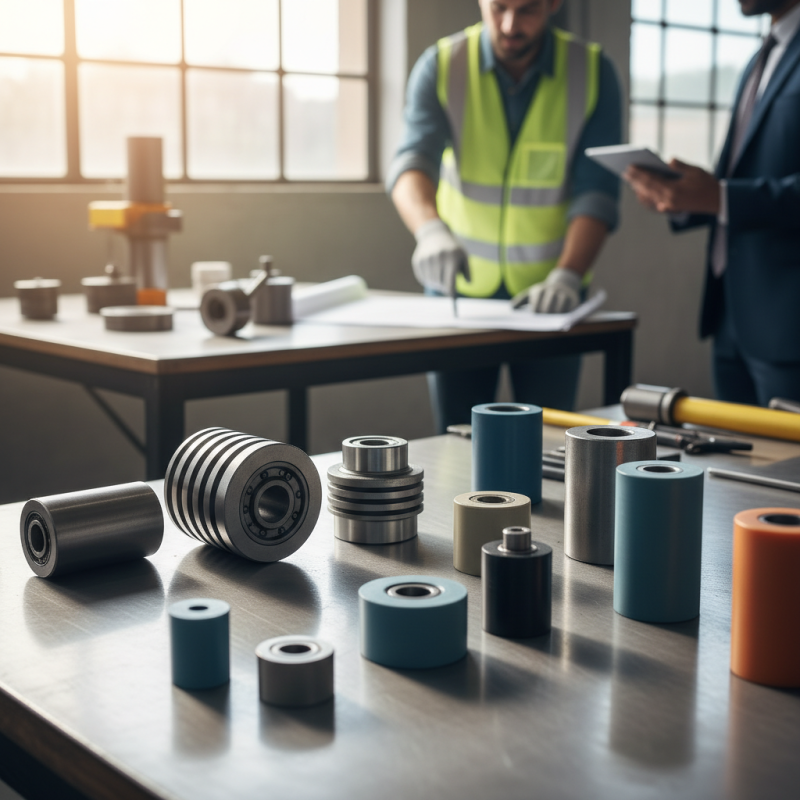
When selecting the perfect bottom roller, understanding the different types available is crucial. Bottom rollers are essential components in many machinery applications, such as conveyor systems and printing equipment. There are several types of bottom rollers, each designed for specific purposes. For instance, flat bottom rollers are ideal for heavy-duty applications. They provide stability and support for heavier loads. Conversely, crowned bottom rollers are often used in lighter applications to assist with tracking and alignment.
Another type worth mentioning is the adjustable roller. This design allows for height and angle modifications, making it versatile for varying operational conditions. These rollers can adapt to various materials and weights. However, the complexity of adjustments can lead to user errors, suggesting a need for careful training and familiarity.
It's important to consider factors like load capacity, material composition, and environmental conditions when choosing your bottom roller. Each application may require a different roller for optimal performance. The right choice can significantly improve efficiency and reduce maintenance costs. Yet, determining these specifics can sometimes be overwhelming and may require trial and error. A reliable guide or expert consultation can alleviate this challenge and lead to better decision-making.
When selecting a bottom roller, several key features warrant careful consideration. One of the primary factors is the roller's size. It should match the requirements of your equipment. For instance, a roller that is too small may not provide adequate support, while one that is too large can cause unnecessary strain on the machinery.
Material composition is another crucial aspect. Bottom rollers can be made from various materials, each offering different levels of durability and performance. For heavy-duty applications, steel rollers are preferred for their strength. However, they can be prone to rust. On the other hand, plastic rollers might resist corrosion but could wear out faster under heavy loads.
After evaluating these features, consider your specific application needs. An unsuitable choice may lead to machinery malfunction or increased maintenance costs. Regularly reassessing roller performance and compatibility with your machinery is essential. Adapting to changes can prevent issues down the line.
When selecting a bottom roller, material and durability play crucial roles. A robust bottom roller, often made from steel, offers reliability. Steel can withstand heavy loads and high-frequency usage. On the other hand, plastic options might appeal due to their lightweight nature and cost-effectiveness. However, they may lack the durability of metal counterparts.
It's essential to consider environmental factors, too. Will the roller be exposed to moisture or extreme temperatures? These conditions can degrade certain materials over time. Testing different materials can lead to surprising insights. For instance, many users discover that a roller that seems durable initially may wear out quicker than expected due to environmental exposure.
Reflecting on personal experiences can also guide your choice. Some might find that a less expensive roller deteriorates rapidly, ultimately costing more in replacements. Evaluating user reviews can reveal patterns, showcasing how others’ choices performed over time. This reflection aids in understanding which materials truly deliver on durability and performance.
Choosing the right bottom roller for your equipment involves careful evaluation of size and compatibility. Each machine has specific requirements that determine what roller will work best. Start by measuring the dimensions of your existing rollers. Pay attention to the width, diameter, and mounting style. Any mismatch can lead to performance issues or decreased efficiency.
Compatibility extends beyond size. Consider the material type and load capacity of the rollers. If your equipment operates under heavy stress, high-quality materials are essential. Check the specifications of your machinery to ensure the new roller can withstand operational demands. Look for clear guidelines or documentation that supports compatibility claims.
Specific equipment may require unique features. For example, some rollers need precision bearings, while others may include variable speed capabilities. Reflect on the environments where your equipment operates. Harsh conditions may require specialized rollers. Ignoring such factors could lead you to make a less optimal choice. Taking the time to assess these elements will enhance your equipment's overall functionality.
When choosing the best bottom roller, budget considerations are crucial.
Bottom rollers vary significantly in cost, depending on their materials and features. It's essential to find a balance between quality and price. A cost-effective roller will save you money without compromising performance. Evaluate the specific needs of your project before making a purchase.
Tips: Look for user reviews to gauge the effectiveness of different rollers. Check if a mid-range option meets your needs. Premium products often come with unnecessary features that may not enhance your work.
Consider the potential for long-term savings. A cheaper roller might seem appealing, but it could wear out faster. This can lead to higher replacement costs. Buying a more robust roller often pays off in time and efficiency.
Think about the frequency of use when deciding your budget. What may work for occasional tasks might not suffice for regular use.
Tips: Reassess your requirements regularly. Are you still using the same roller for different projects? Adapt to your evolving needs by exploring new options. A little effort now can save you significantly in the future.