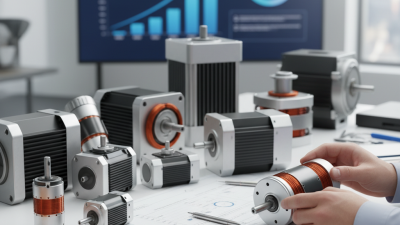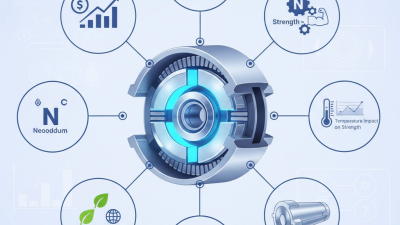
In today's energy-conscious world, choosing the right generator is crucial. A permanent magnet motor generator offers unique benefits that stand out. These devices are efficient and reliable. They require less maintenance than traditional options and are compact in design.
Engineers value permanent magnet motor generators for their superior performance. They produce high torque and operate quietly, making them ideal for various applications. However, selecting the right model can be complex. Not every generator suits every need. Factors such as size, power output, and intended use matter.
It's essential to reflect on your specific requirements. Ask yourself, will this permanent magnet motor generator meet my long-term goals? Consider the initial costs and future savings. Choices should align with your vision for efficiency and sustainability.
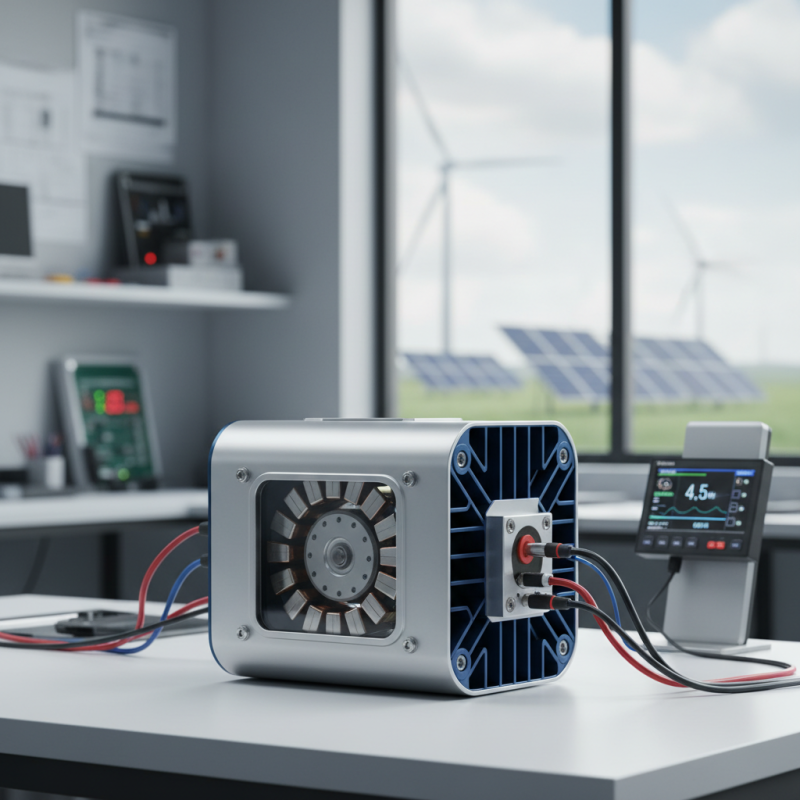
Permanent magnet motor generators (PMMGs) have gained popularity due to their efficiency and compact design. These devices convert mechanical energy into electrical energy seamlessly. A key feature is the use of permanent magnets, which eliminate the need for external power sources for the magnetic field. This leads to reduced operational costs. However, engineering challenges remain, such as managing heat dissipation effectively.
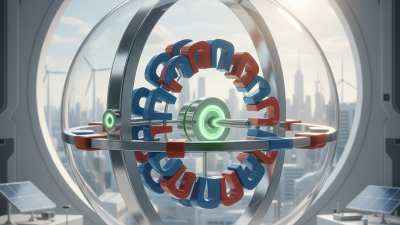
The functionality of PMMGs is rooted in their design. The rotor spins within the stator, generating electricity. This simple yet effective operation is appealing for various applications. Despite their advantages, these generators may struggle under heavy loads. Users must assess their requirements carefully, as the performance can vary significantly.
Maintenance is another factor to consider. While PMMGs generally require less upkeep than traditional motors, they still demand attention. Dust and debris can affect efficiency. Additionally, not all settings may suit PMMGs, leading to potential underperformance. Understanding both their strengths and limitations is essential for anyone considering this technology.
| Feature | Description | Benefits |
|---|---|---|
| High Efficiency | Permanent magnet motor generators have higher efficiency than conventional motors. | Reduced energy costs and improved system performance. |
| Compact Size | They are typically smaller and lighter than induction motor generators. | Easier installation and use in space-constrained applications. |
| Low Maintenance | Fewer moving parts lead to lower wear and tear. | Decreased maintenance costs and longer operational life. |
| High Torque Density | Can produce high torque in a compact form. | Greater performance in smaller machines, providing more power output. |
| Versatile Applications | Suitable for various applications, including renewable energy and electric vehicles. | Flexibility in design and function across different industrial sectors. |
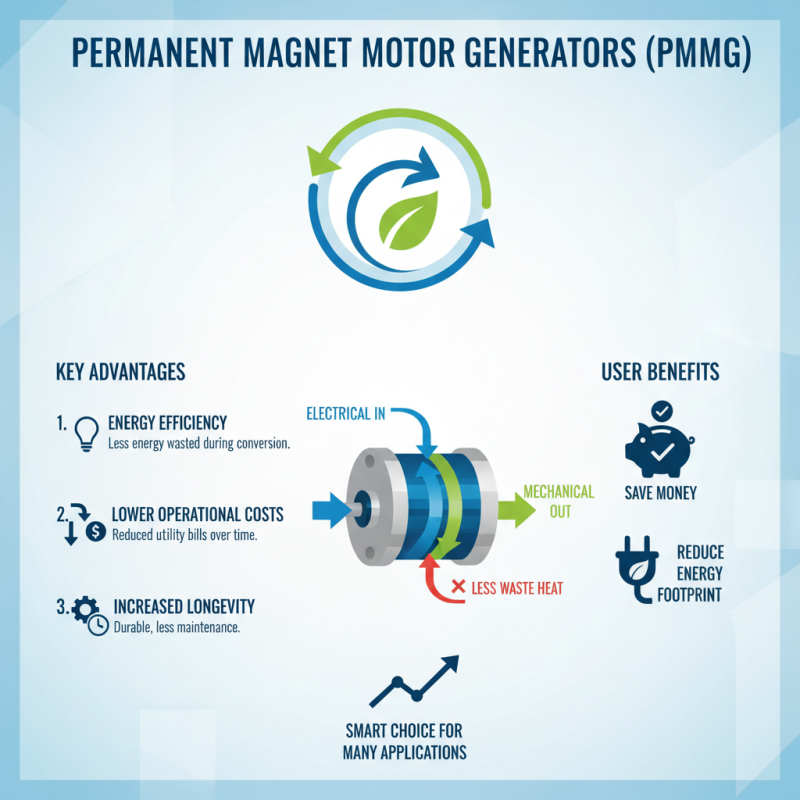
Permanent Magnet Motor Generators (PMMGs) have gained popularity due to several key advantages. One significant benefit is their energy efficiency. Unlike traditional motors, PMMGs convert electrical energy into mechanical energy with less waste. This means lower operational costs and reduced energy consumption over time. Users can appreciate the savings on utility bills, making them a smart choice for many applications.
Another appealing aspect is their compact design. PMMGs are generally smaller and lighter than their traditional counterparts. This makes installation easier in tight spaces. The simplicity of their structure means fewer components to maintain. However, some might worry about their durability under heavy usage. It’s essential to consider the specific application and load demands when choosing a PMMG. This reflects the need for careful evaluation to ensure suitability.
Noise level is another factor where PMMGs shine. They operate more quietly, making them ideal for sensitive environments. However, users should be aware that this silent operation can sometimes lead people to overlook maintenance needs. Regular checks are crucial to avoid unexpected failures. Ultimately, understanding these dynamics is vital when selecting a motor generator that meets your specific needs.
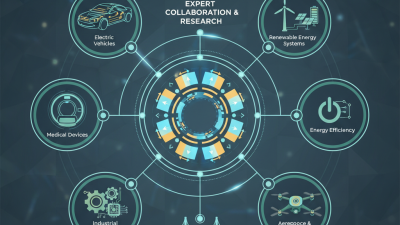
Permanent magnet motor generators (PMMG) are increasingly popular in various sectors. Their efficiency and compact design make them ideal for renewable energy applications. Wind and solar energy systems benefit significantly from PMMGs. They convert energy with minimal losses, enhancing overall system performance. Additionally, their lightweight nature simplifies installation and reduces structural support requirements.
Industries such as automotive and robotics also rely on PMMG technology. These generators power electric vehicles and assistive devices with remarkable torque and reliability. In manufacturing, they optimize production lines by providing constant and efficient power. The potential for energy savings is undeniable, but there are challenges that must be faced. The initial setup cost can discourage users. Maintenance and replacement can also be demanding.
Agriculture benefits from these generators, too. They can power machinery in remote areas. However, not every application may see an immediate return on investment. Users must carefully evaluate their specific needs. Overall, as industries evolve, the role of permanent magnet motor generators will likely expand, but they are not a one-size-fits-all solution.
When selecting a permanent magnet motor generator, there are several crucial factors to consider. The efficiency of these generators can exceed 90%, making them an attractive choice for many applications. They convert electrical energy into mechanical energy with little loss, which increases overall performance. However, not all setups will achieve this peak efficiency, depending on design constraints and operational conditions.
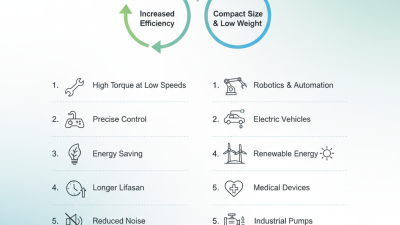
Another important aspect is the torque-to-weight ratio. Permanent magnet motors typically provide higher torque while remaining lightweight. This characteristic makes them ideal for applications in electric vehicles and robotics. Nevertheless, weight savings should be carefully balanced with durability. Some lightweight designs may suffer from wear issues over time.
Cost is always a factor, too. Initial investment in permanent magnet technology can be higher than alternatives. A report by the International Energy Agency noted that although initial costs might be substantial, the long-term savings on electricity and maintenance can offset these expenses. However, careful budget considerations are essential. Investing in the right system involves weighing upfront costs against potential savings and efficiency gains over its lifecycle.
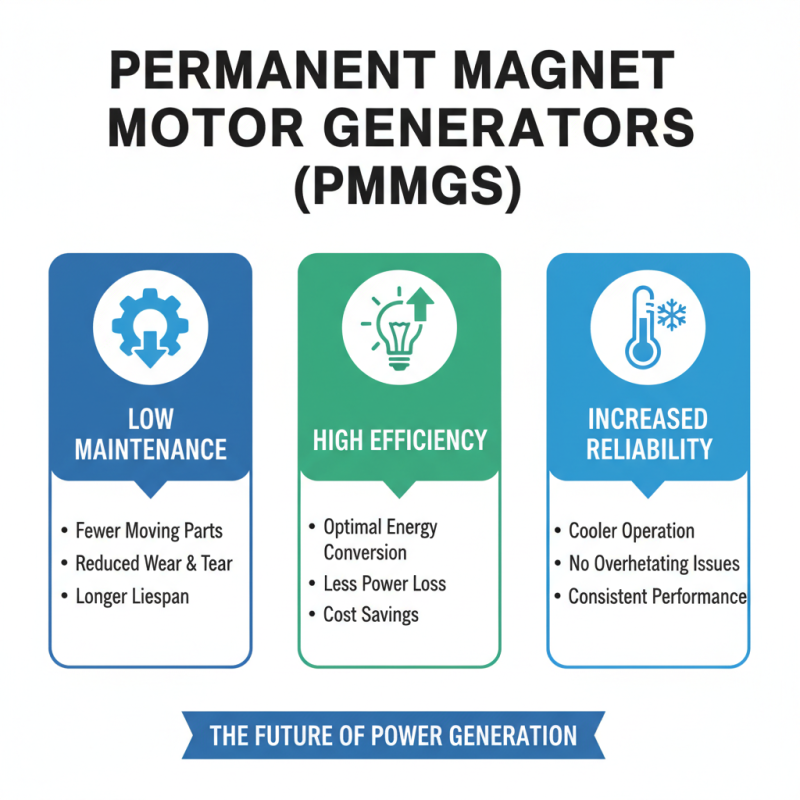
Permanent magnet motor generators (PMMGs) are known for their reliability and efficiency. One major advantage is their low maintenance requirements. Unlike traditional motors, PMMGs have fewer moving parts. This simplicity reduces wear and tear, resulting in longer lifespans. They often run cooler, which can prevent overheating issues.
However, not all PMMGs are created equal. Some models may require occasional recalibrations or minor repairs over time. Ignoring these can lead to decreased performance. Regular inspections help identify potential issues early, ensuring longevity. Users should develop a maintenance schedule based on usage. A proactive approach is beneficial, even if these generators are generally robust.
In addition, environmental factors play a significant role in their lifespan. Dust, humidity, and extreme temperatures can affect performance. Therefore, proper placement in a controlled environment is essential. Users must also consider potential damage from external factors. Taking these considerations into account will help maximize the benefits of a permanent magnet motor generator.