
How to Choose the Best Calendering Machine for Your Business?

Choosing the right Calendering Machine is crucial for your business success. The process involves careful consideration of various factors. A calendering machine is a significant investment, and making an informed choice can optimize your production.

When evaluating a calendering machine, you need to consider your specific needs. Think about the materials you will use and the desired thickness. Not all machines are the same, and the right one can enhance your efficiency. Additionally, the level of expertise of your workforce is vital. Employees should be trained to operate the machinery safely and effectively.

Moreover, it’s worth noting that not every company has the same priorities. Some might prioritize cost, while others focus on technology or speed. Reflect on your business goals and growth plans. The right calendering machine should align with your vision. It's crucial to seek advice from specialists and gather insights from industry peers. This will ensure you make a well-rounded decision, minimizing regrets in the future.
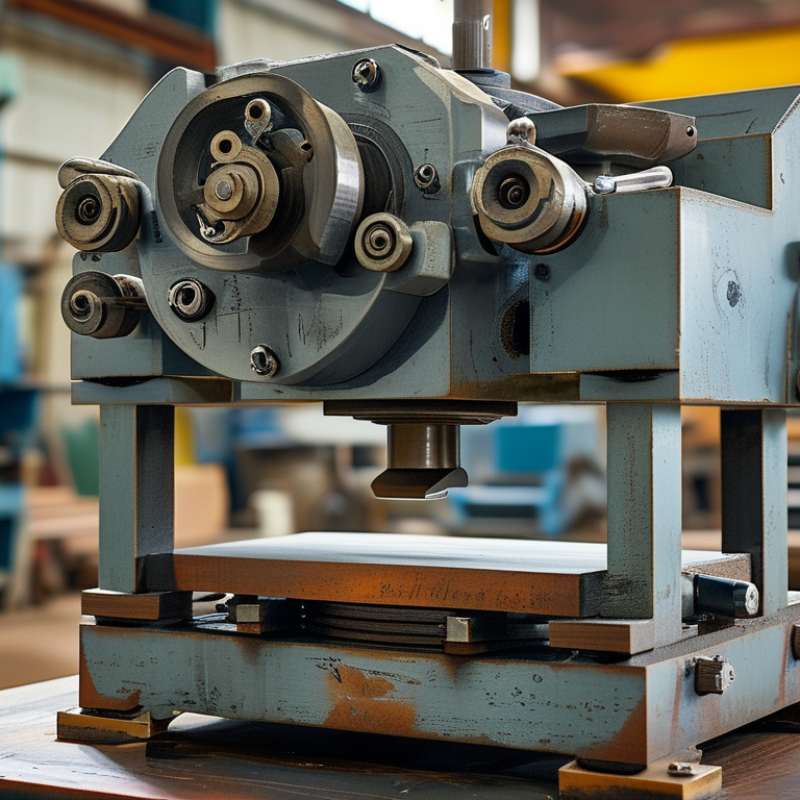
How to Choose the Best Calendering Machine for Your Business?

Factors to Consider When Selecting a Calendering Machine

Choosing the right calendering machine is crucial for your business. Various factors impact this decision, and understanding them is key. One major factor is the material you will process. Different materials require specific machines, as they have unique needs. For example, rubber and plastic differ greatly in their properties.

Another important consideration is the machine's production capacity. Assess your current and future production needs. A machine that meets your current demand might not suffice as your business grows. Always think ahead.

Tips: Test the machine before purchasing. This helps you evaluate its performance. Check for energy efficiency as well. Energy-efficient machines save costs over time. Don’t overlook maintenance requirements. Easy maintenance can save you headaches down the road.

Choosing a calendering machine requires careful thought. Look into the machine's technology too. Advanced technology can offer better consistency and quality. It's important to balance all these factors to make an informed decision. Your choice can directly affect production quality and efficiency.

How to Choose the Best Calendering Machine for Your Business?

Feature Importance Considerations Estimated Cost
Type of Calendering Machine High Choose between two-roll, four-roll, or others based on material $20,000 - $100,000
Production Capacity Medium Match capacity to your business needs $15,000 - $80,000
Automation Level High Consider features like automated adjustments and controls $25,000 - $150,000
Energy Efficiency Medium Look for machines with energy-saving features $10,000 - $50,000
Maintenance Requirements High Evaluate ease of maintenance and availability of parts $5,000 - $30,000 annually

Types of Calendering Machines and Their Applications

When choosing a calendering machine, understanding the types available is crucial. There are several common categories, including two-roll, three-roll, and multi-roll machines. Two-roll calenders are simple and cost-effective, suitable for smaller operations. They are often used in the production of rubber and plastic sheets. Three-roll machines offer more control over thickness and are ideal for compounding processes. Multi-roll calenders, while more complex, excel in producing higher quality sheets and films.

Tips: Assess your production volume before making a decision. Ensure your chosen type aligns with your output requirements.

Another consideration is the application of each machine. Industries like automotive, textiles, and food packaging utilize calendering technology. For instance, the textile industry benefits from calenders to produce smooth, high-quality fabric. The versatility of these machines allows businesses to adapt to different materials and products. However, navigating the options can be challenging.

Tips: Research each machine's capabilities thoroughly. Sometimes, what seems perfect in theory may not work in practice.

The selection process can reveal unexpected complexities. Factors such as maintenance costs and energy consumption should also be evaluated. Choosing the right machine is not just about specifications but also about how it fits into your overall production line.

Key Specifications and Features to Evaluate

When choosing a calendering machine for your business, several key specifications deserve careful consideration. The roller diameter is crucial as it impacts material processing and overall efficiency. According to a 2022 market analysis, machines with larger rollers (above 700 mm) improve throughput significantly by up to 30%.

Next, evaluate the temperature control features. Effective temperature regulation can enhance product quality. Research suggests that maintaining consistent temperatures within 5°C leads to fewer defects in the final product. This precision is vital when working with sensitive materials. Additionally, check the machine's speed settings. Data indicates that a speed variation of ±10% can affect the surface finish.

Beyond performance specifications, reliability is a concern. Machines with a higher uptime rate tend to improve productivity. A study from the manufacturing sector highlights that nearly 20% of operational downtime occurs due to equipment failure. Therefore, investing in a machine with robust construction and fewer maintenance requirements is essential. Be sure to balance these features with your budget. Refining this choice may take time, but careful evaluation will lead you to the best fit for your business needs.

Budgeting and Cost Analysis for Calendering Machines

When selecting a calendering machine, cost analysis plays a critical role in decision-making. The initial purchase price is only part of the total expense. Consider maintenance costs and potential downtime. A machine that costs less upfront might require more frequent repairs. Tracking these additional expenses is crucial.


Energy consumption also affects the budget. High-quality machines tend to be more energy-efficient, reducing operating costs over time. Investigate the energy ratings of various models. A thorough analysis of these factors can lead to better financial decisions.


It's essential to assess long-term benefits and not just immediate costs. Investment in a reliable machine can increase productivity and reduce waste. Evaluate potential return on investment (ROI) for each option. This deep dive into budgeting can help avoid costly mistakes down the line.

Balancing costs and machine capabilities ensures sustainable growth.

Maintenance and Support Recommendations for Longevity

Maintaining a calendering machine is crucial for its longevity and performance. Regular maintenance can prevent costly breakdowns. Ensure that the machine is thoroughly cleaned after each use. Dust and residue can accumulate, affecting the quality of the output. Check the rollers frequently for any wear and tear. Worn rollers can lead to uneven surfaces in the final product.

Support is another essential aspect. Engage with trained professionals for routine inspections. They can identify potential issues before they escalate. It's tempting to overlook small problems, but they can snowball into much larger ones. Establish a maintenance schedule that aligns with your production cycle. This approach ensures that the machine remains operational.

Documentation of maintenance activities is vital. Note how often maintenance occurs and what actions were taken. This information can be invaluable for troubleshooting. Sometimes, certain issues may arise repeatedly, indicating a deeper problem. Reflecting on these patterns can help refine your maintenance strategy.

Scroll to Top