
When considering solar energy, Solar Storage is a crucial aspect. It allows homeowners to maximize their energy efficiency. However, choosing the right solution can be confusing.
Many options exist today, making decisions challenging. You might feel overwhelmed by technical specifications and pricing. It is important to carefully assess your needs. Think about your energy consumption habits. Consider your home's energy requirements during the day and night. Each home is unique, which adds complexity to the selection process.
Investing in solar storage systems may involve significant costs. Sometimes, cheaper options may not provide the best service. Reflect on your long-term energy goals before making a purchase. Don't rush this decision. A well-thought-out choice now will benefit you for years to come.
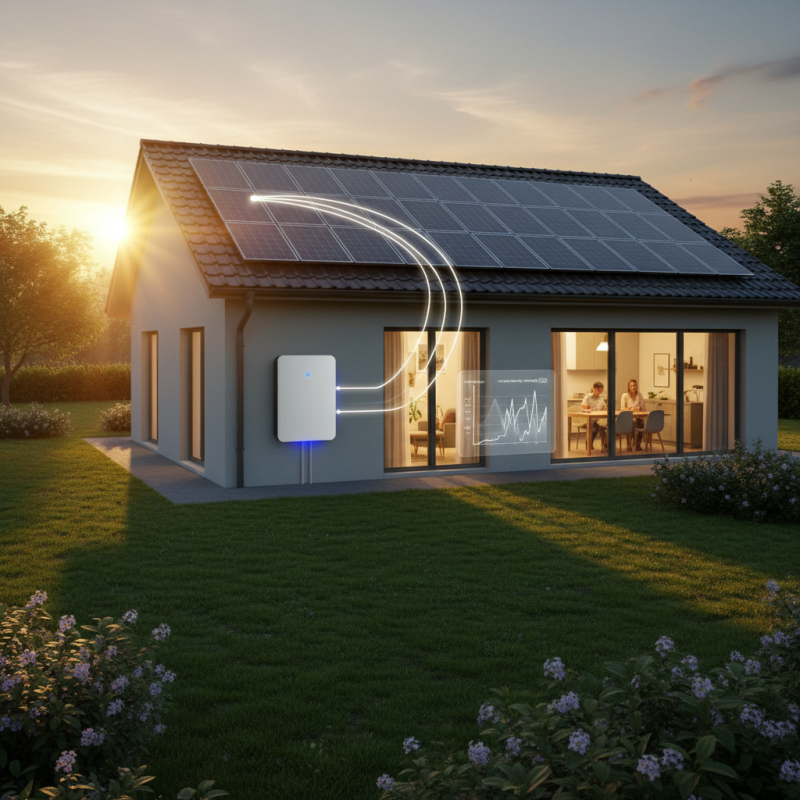
Understanding solar storage is crucial for homeowners looking to maximize their solar energy systems. Solar storage solutions allow homeowners to store excess energy generated during sunny days. This stored energy can be used at night or during cloudy conditions. It provides a reliable source of power when solar generation is low. Additionally, solar storage can help reduce reliance on the grid.
Homeowners must consider various factors when choosing a solar storage system. Capacity is one key element. It refers to how much energy can be stored. Smaller homes may only need a modest capacity. Larger homes or families might require more. It's also important to think about the technology behind these systems. Some options use batteries, while others might focus on different storage methods.
Cost can be a significant barrier. Initial investment for storage solutions might seem high. However, the savings on electric bills can offset this cost over time. Still, some systems may not provide the expected benefits, leading to dissatisfaction. Homeowners should research and evaluate their specific needs before making a decision. Adjusting to a new energy system takes time and patience, but the results can be rewarding.
When considering solar storage solutions, understanding your home’s energy needs and usage patterns is essential. Analyze your energy consumption over the past year. Look at your utility bills to identify peak usage times. Research indicates that over 50% of homeowners underestimate their energy consumption. This miscalculation can lead to improperly sized energy systems.
Tips: Monitor daily energy usage. Use smart meters to gain accurate data.
Evaluate your appliances as well. Larger devices like refrigerators and air conditioners can significantly impact your energy needs. According to the U.S. Department of Energy, these appliances can use up to 30% of your total energy. Ensuring your storage solution can handle such loads is crucial.
Tips: Prioritize energy-efficient appliances. They can drastically lower your overall usage.
Finally, consider seasonal changes in energy needs. Many homes experience higher consumption in winter and summer months. Collecting detailed data can guide you in selecting the right storage capacity. Remember, even slight miscalibrations can lead to energy shortages or wasted resources.
Choosing the right solar storage solution is crucial for homeowners. With various options available, it's important to consider the pros and cons of batteries and systems. Battery storage systems, such as lithium-ion and lead-acid batteries, are popular for residential setups. A recent report from the National Renewable Energy Laboratory states that lithium-ion batteries have a higher energy density and longer lifespan compared to lead-acid models. These batteries can last up to 15 years, while lead-acid options typically last around 5 to 7 years.
However, energy storage systems offer different advantages. They can integrate seamlessly with home energy management systems. Many homeowners appreciate the ability to monitor their energy usage easily. According to a study by Wood Mackenzie, the solar + storage market is projected to grow by over 20% annually in the coming years. This trend shows that more people are becoming aware of the importance of energy independence. Yet, the initial setup cost remains a challenge. Many consumers express concerns about the payback period of storage solutions, which can sometimes exceed ten years.
Selecting the right solution can be daunting. Each option carries its own set of complexities. Battery maintenance and replacement costs can arise unexpectedly. Therefore, it’s essential for users to remain informed about the different products in the market. Making a well-researched decision can prevent future headaches. A careful analysis of energy needs and budget constraints will yield better outcomes.
When choosing solar storage solutions, evaluating capacity, efficiency, and lifespan is crucial. Capacity indicates how much energy the system can store. Most modern home batteries range from 5 kWh to 20 kWh. If your household uses around 30 kWh daily, a larger capacity may be necessary to meet your needs. However, oversizing can lead to wasted investment. Balancing your energy usage with storage capacity is essential.
Efficiency measures how effectively a battery converts and stores energy. Most systems today have an efficiency rating of 80% to 95%. A higher efficiency means more stored energy is usable. But, achieving optimal efficiency requires proper installation and regular maintenance. Some users find that their systems underperform after a few years, possibly due to neglect.
Lifespan typically refers to the number of charge cycles a battery can undergo before its capacity degrades to 70%. Many lithium-ion batteries last 10 to 15 years, but environmental factors can affect longevity. Extreme temperatures can shorten lifespan, and improper usage can lead to early failure. Monitoring your battery’s health over time is crucial to maximizing your investment.
| Feature | Description | Typical Range | Considerations |
|---|---|---|---|
| Capacity | The total amount of energy the battery can store, measured in kilowatt-hours (kWh). | 5 kWh - 20 kWh | Choose based on your daily consumption and backup needs. |
| Efficiency | The percentage of energy that can be used from the stored energy, after losses. | 80% - 95% | Higher efficiency means less energy loss. |
| Lifespan | The estimated duration the battery will remain effective over time. | 5 - 15 years | Consider warranties and cycle life for the long term. |
| Depth of Discharge (DoD) | The percentage of the battery capacity that can be used safely. | 50% - 100% | Higher DoD allows more usable energy but may reduce lifespan. |
| Safety Features | Built-in safety mechanisms to prevent overheating and failures. | Varies by technology | Look for certifications and reviews regarding safety. |
When considering solar storage solutions, cost is a critical factor. The average cost of home battery systems can range from $7,000 to $15,000. Installation adds another $1,000 to $3,000. Many homeowners are uncertain if the investment will pay off. Industry reports suggest that batteries can reduce energy bills by approximately 30% annually. However, this also depends on local electricity rates and usage patterns.
Incentives play a vital role in the financial feasibility of solar storage. Tax credits can reduce initial costs significantly. The Federal Investment Tax Credit (ITC) currently allows homeowners to deduct 26% of the system cost from their taxes. Some states offer additional rebates and incentives, yet these can vary widely. Many customers often overlook these benefits when budgeting their installations.
Moreover, battery lifespan and maintenance must be evaluated. Most systems last between 10 to 15 years. Over time, their efficiency may decline. If not managed well, this can lead to unexpected costs. Homeowners might invest in additional batteries. Therefore, assessing long-term savings versus initial expenditure is essential. A thorough understanding can empower better financial decisions in solar storage choices.
This bar chart compares the cost per kWh of various solar storage solutions, providing a clear visualization of the cost differences among them. As seen, lithium-ion batteries are the most expensive, followed by flow batteries, while lead-acid batteries are the most affordable option.