How to Choose PMSM Motor for Electric Vehicles Effectively?
The electric vehicle (EV) market is experiencing rapid growth, driven by rising environmental concerns and advancements in technology. According to a report by the International Energy Agency, electric car sales surged to 6.6 million units in 2021, indicating a 108% increase from the previous year. Central to this growth is the choice of propulsion systems, particularly the PMSM motor for electric vehicles. These motors offer high efficiency, compact design, and durability, making them a preferred option among manufacturers.
However, selecting the right PMSM motor for electric vehicles is complex. Different applications demand specific characteristics, such as torque density, thermal management, and energy efficiency. A study by IQT Research found that approximately 35% of EV inefficiencies can be traced back to motor selection. This statistic emphasizes the importance of making informed decisions when choosing a PMSM motor.
Experts suggest evaluating key factors, including performance metrics and cost-effectiveness, to optimize vehicle performance. It's essential to analyze potential trade-offs, such as maximum power output versus energy consumption. This reflective approach will help align the motor's capabilities with the vehicle's intended use, ultimately enhancing overall driving experience and sustainability.
Understanding the Basics of PMSM Motors and Their Applications
Permanent Magnet Synchronous Motors (PMSM) are crucial in the electric vehicle (EV) sector. They efficiently convert electrical energy into mechanical power. The design of PMSM motors varies, influencing performance, weight, and cost. Recent reports indicate that PMSMs can achieve an efficiency of over 95%. This high efficiency contributes significantly to the overall range of electric vehicles.
When selecting a PMSM, it’s essential to understand torque requirements. Torque affects acceleration and hill climbing abilities. For example, a higher starting torque is beneficial for urban driving, while constant torque is better for highway speeds. Optimizing these parameters can lead to a more responsive vehicle.
Tip: Always consider the size and weight of the motor. A lighter PMSM can improve overall vehicle efficiency and handling.
Another aspect involves thermal management. PMSMs generate heat during operation. Managing this heat ensures optimal performance and longevity. Failing to do so can lead to reduced efficiency and potential motor failure. Many fast-developing companies focus on advanced cooling techniques to combat this issue.
Tip: Analyze the cooling system as thoroughly as the motor. It’s often overlooked but equally vital for performance.
In summary, understanding PMSM basics is crucial in the EV landscape. The choice between various designs and specifications can impact a vehicle's performance, efficiency, and longevity.
Key Factors to Consider When Selecting a PMSM Motor for EVs
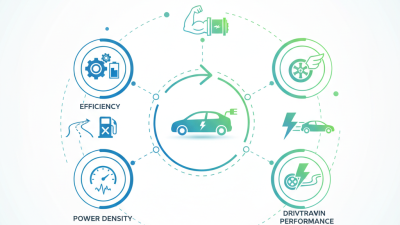
When selecting a Permanent Magnet Synchronous Motor (PMSM) for electric vehicles (EVs), several key factors come into play. The motor's efficiency is paramount. High-efficiency motors convert more electrical energy into mechanical energy. This impacts the overall range of the vehicle. A small increase in efficiency can lead to significant gains in performance.
Power density is another crucial consideration. It refers to the amount of power the motor can deliver per unit of weight. A lightweight motor improves overall vehicle dynamics. However, high power density often comes with compromises. Balancing thermal management with performance can be challenging. Effective cooling systems become necessary to maintain optimal operation.
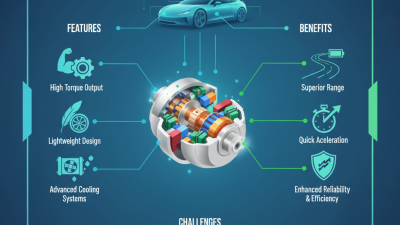
Torque characteristics also deserve attention. High starting torque improves acceleration. It enhances the driving experience, especially in urban settings. However, high torque might require a more robust control system. The cost implications must be analyzed carefully. Additionally, evaluating the reliability of the motor across varying conditions is essential. How the motor performs in extreme temperatures or varied loads can significantly affect overall vehicle reliability.
Evaluating Performance Metrics: Torque, Efficiency, and Power Density
When selecting a Permanent Magnet Synchronous Motor (PMSM) for electric vehicles, performance metrics such as torque, efficiency, and power density play critical roles. Torque impacts acceleration and overall performance. A motor with higher torque will allow for quicker takeoffs. Efficiency determines the energy consumption of the vehicle. A more efficient motor converts more electrical energy into motion, which is crucial for extending range. Power density indicates how much power the motor generates relative to its size. A compact, high-power density motor is ideal for maximizing space within the vehicle.
Tips for choosing the right PMSM include assessing your specific needs. If your vehicle requires quick acceleration, prioritize a motor with high torque. For longer trips, look for high efficiency. Make sure to analyze the power density as well; a lightweight motor can make a significant difference in vehicle dynamics.
It's essential to balance these metrics. A motor with high torque may sacrifice efficiency. Conversely, a very efficient motor may not provide the desired performance. Analyze trade-offs carefully. Seek expert advice when in doubt. This process requires understanding your unique requirements and the technological intricacies involved. Each electric vehicle design is different, and finding the right motor may take time. Be prepared to reassess your choices throughout the development process.
Assessing Cost and Availability: Budgeting for PMSM Motor Selection
When selecting a Permanent Magnet Synchronous Motor (PMSM) for electric vehicles, cost and availability should be primary considerations. The price of the motor directly affects the overall project budget. It is essential to do thorough market research before making a choice. Not all suppliers offer the same pricing, and quality can vary. Sourcing motors from multiple vendors can yield different results.
Availability is another critical factor. If a motor has a long lead time, it could delay your project. Checking stock levels and delivery timelines is vital. Developing a relationship with suppliers can help you secure better options. Sometimes, waiting for the right motor can save money in the long run. A less expensive motor may lead to higher maintenance costs later.
Another factor to consider is the balance between cost and performance. Cheaper motors might not meet specific performance criteria, impacting overall vehicle efficiency. It's easy to get swayed by low prices. Quality should not be compromised for cost. Understanding both the short-term and long-term implications of your choices is necessary. Consistent evaluation of budget constraints versus performance needs is vital for optimal decision-making.
Future Trends in PMSM Technology for Electric Vehicle Innovation
The future of Permanent Magnet Synchronous Motors (PMSM) in electric vehicles is on the verge of transformation. As demand for electric mobility rises, innovations in PMSM technology become critical. Lightweight materials are now being integrated into motor designs. These materials enhance efficiency without compromising strength. Additionally, optimizing the magnetic circuit design can lead to significant performance gains.
Recent advancements in cooling technology are breaking barriers. Improved thermal management systems enable motors to sustain higher power output. This change can elevate the overall performance of electric vehicles, making them more competitive. Battery integration with PMSMs is also evolving. Coordinated control strategies will maximize energy use and extend driving range. However, reliability in extreme conditions remains a topic for further exploration.
Moreover, the supply of rare earth materials poses challenges. Dependence on these resources can hinder the widespread adoption of PMSMs. Researchers are investigating alternative materials that are both sustainable and cost-effective. As the industry pushes for greener technologies, these initiatives must be prioritized. Continuous adaptation and innovation will define the trajectory of PMSM technology in electric vehicles.