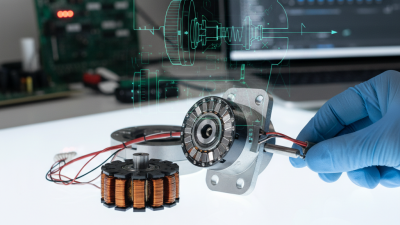
Choosing the right permanent magnet stepper motor can significantly impact your project’s success. According to Dr. Jane Thompson, a leading expert in motor technology, “The right choice of a permanent magnet stepper motor is crucial for performance and efficiency.” Her insight highlights the importance of selecting the appropriate motor for your specific needs.
When considering a permanent magnet stepper motor, various factors come into play. These factors include torque requirements, speed, and operational environment. Understanding these elements helps ensure that the motor you select will meet your application's demands. However, it can be challenging to identify the best option due to the wide variety of products available in the market today.
It's easy to overlook minor yet crucial details during the selection process. Neglecting specifications can lead to inefficiency or even motor failure. Experts often stress the need for thorough research and testing. Engage with industry professionals to gain deeper insights, and don't hesitate to reevaluate your choices as new technologies emerge. Making an informed decision about a permanent magnet stepper motor can set the foundation for your project's future success.
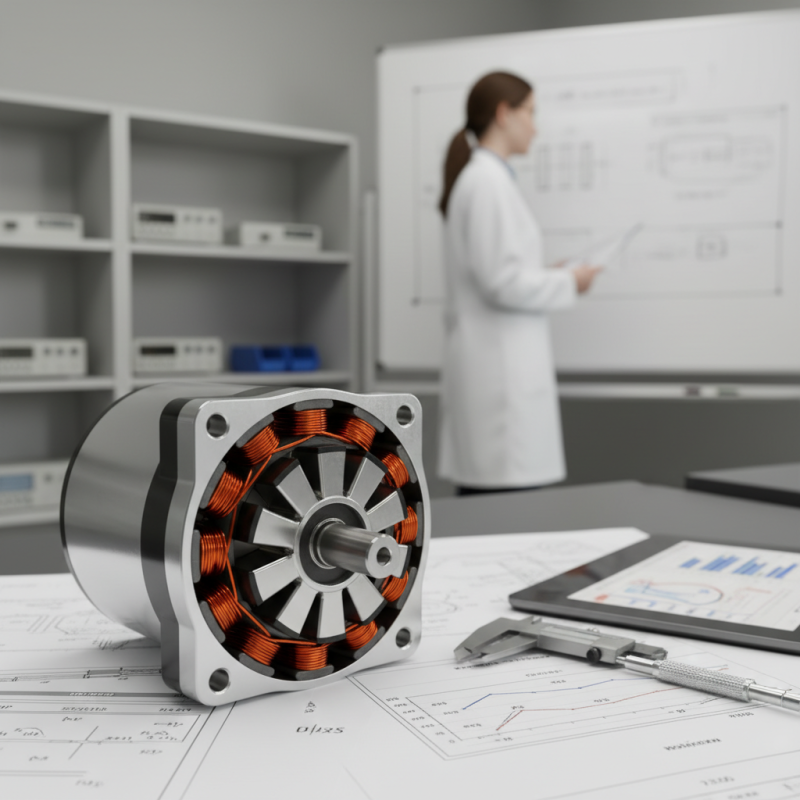
Permanent magnet stepper motors are essential in various applications, from robotics to industrial automation. These motors utilize permanent magnets to create a magnetic field, allowing precise control over movement. According to industry reports, the market for stepper motors is projected to grow at a CAGR of 7.2% from 2021 to 2028, highlighting their increasing popularity.
Understanding the characteristics of permanent magnet stepper motors is crucial for effective application. They provide high torque at low speeds, making them suitable for tasks requiring precision. However, they are not without limitations. For instance, resonance can occur at certain speeds, impacting performance. Proper selection based on the application can mitigate these challenges.
Data indicates that around 30% of stepper motor failures stem from incorrect sizing. Engineers must consider factors like step angle, holding torque, and power requirements. Inadequate research may lead to inefficiencies. For optimal performance, selecting the right specifications is key. Each application presents unique demands, requiring thoughtful analysis and decision-making.
| Parameter | Description | Typical Value |
|---|---|---|
| Phase Configuration | Number of phases used in the motor | 2-phase |
| Step Angle | The amount of rotation per step | 1.8° |
| Holding Torque | Torque the motor can hold when not rotating | 0.5 N·m |
| Rated Current | The current needed to operate the motor | 1.0 A |
| Voltage | Voltage rating for the motor | 12 V |
| Driver Type | Type of driver used to control the stepper motor | Microstepping |
When selecting a permanent magnet stepper motor, specific factors demand attention. Torque requirements are crucial. Consider the load you expect to drive. The right motor must provide sufficient torque for your application. If your stepper motor lacks power, it may stall. This can lead to project delays and increased costs.
Next, step angle plays a significant role in precision. Different applications require various levels of accuracy. A smaller step angle often means finer control. However, more steps can complicate control logic. Balance your need for precision with the complexity of your system.
Finally, assess the motor size and weight. A bulky motor may not fit your design. Always measure the space available. This can prevent future modifications. Consider the cooling needs too. Some motors generate heat that requires effective dissipation. A thoughtful selection process can lead to better performance and reliability.
When selecting a permanent magnet stepper motor, understanding the different types is crucial. There are unipolar and bipolar stepper motors, each with distinct characteristics. Unipolar motors have a simpler wiring setup, ideal for beginners. However, bipolar motors provide higher torque and better performance at higher speeds. Consider your project demands before making a choice.
The torque-to-weight ratio is also important. Some motors offer high torque in a compact size, while others may be larger and bulkier. This can affect your design layout. Efficiency varies too; some motors operate better under specific load conditions. Testing is vital to see if the motor meets your needs.
Don’t forget to consider the motor's step angle. Smaller step angles allow for finer control over motion. However, they can introduce complexity in control systems. Striking a balance between precision and simplicity is often challenging. Evaluate where you can compromise without sacrificing performance.
When selecting a permanent magnet stepper motor, understanding the performance specifications is crucial. Torque ratings, for instance, directly affect the motor's ability to handle various loads. Typically, a torque rating below 30 oz-in may suffice for light-duty applications. However, industrial settings often demand motors rated above 100 oz-in. Industry reports suggest that nearly 60% of stepper motors fail due to insufficient torque, highlighting the importance of thorough assessment.
Another critical performance specification is step resolution. Higher resolution leads to finer control, which is essential for applications requiring precision. Motors with 1.8-degree steps offer decent resolution, but applications needing high accuracy benefit from microstepping capabilities. Research indicates that using microstepping can improve positional accuracy by up to 50%. Yet, it might also introduce complexities in controller requirements. Not all systems are equipped for this, and compatibility must be evaluated.
Thermal performance cannot be overlooked. A motor that overheats loses efficiency and lifespan. Most manufacturers provide thermal ratings. Selecting a motor with superior cooling specifications can prevent overheating issues. However, many designs overlook environmental factors, such as ambient temperature. Reports suggest a significant percentage of failures are linked to overheating in standard operating conditions. Understanding these nuances ensures better performance in the long run.
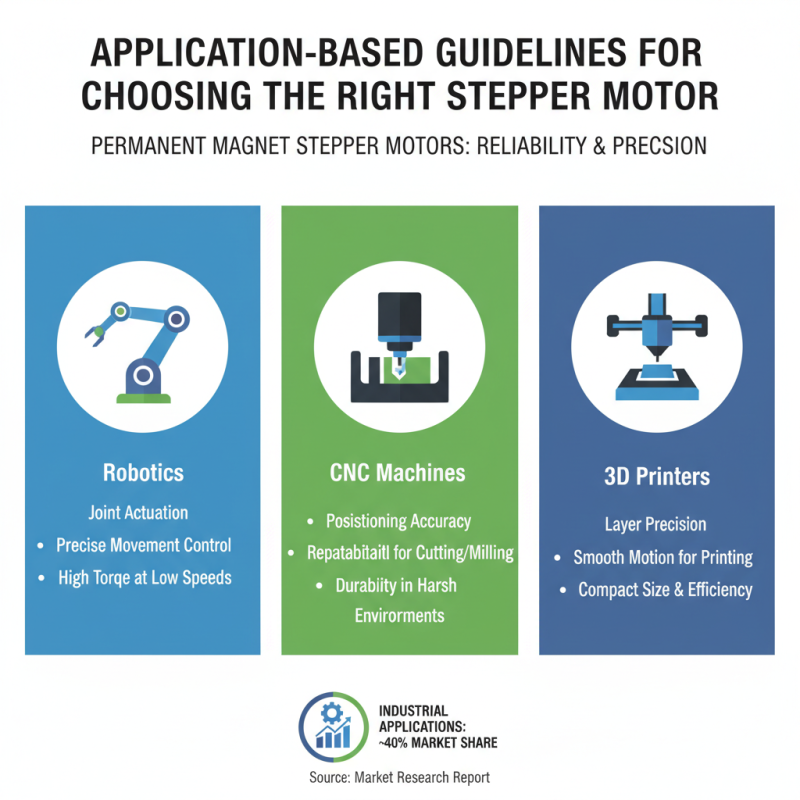
Choosing the right permanent magnet stepper motor involves understanding its application context. Stepper motors find usage in robotics, CNC machines, and 3D printers. According to a market research report, nearly 40% of these motors are used in industrial applications. This highlights their reliability and precision in demanding settings.
When selecting a motor, consider torque requirements and speed. For instance, applications requiring intricate movements benefit from motors with high holding torque. A report indicates a 30% increase in efficiency when the appropriate stepper motor is utilized. However, opting for a motor that is oversized can lead to energy waste and overheating. Designers must balance the specifications with actual use cases.
It’s essential to consider the environment where the motor will operate. Factors such as temperature and humidity impact performance. For example, high humidity can lead to corrosion, affecting motor longevity. A suitable motor must provide consistent performance despite these conditions. Each choice should reflect a careful thought process, measuring both benefits and potential drawbacks.