How to Choose the Best LED Screen for Your Business Needs?
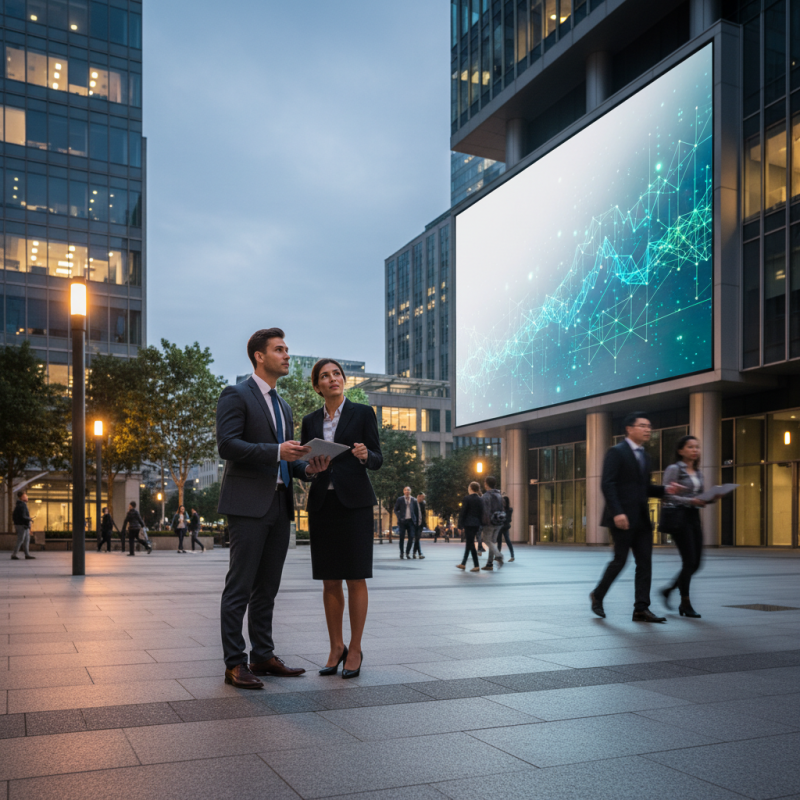
Choosing the right LED Screen for your business is crucial. The technology of LED screens continues to evolve, offering various options. A suitable LED screen can enhance your brand visibility and improve customer engagement.
When selecting an LED screen, consider your specific needs. Think about the location and environment where the screen will be displayed. Will it be indoors or outdoors? The brightness and resolution of the screen will directly affect its effectiveness in different settings. Look beyond price; quality matters.
Researching the best suppliers is essential. Seek companies with a good reputation and positive reviews. Listen to their expertise. However, not every supplier is right for you. Be cautious of flashy promises, and assess their reliability. Understanding your goals will help you make an informed choice.
Understanding Your Business Requirements for an LED Screen
When selecting an LED screen for business needs, understanding specific requirements is crucial. Begin by assessing the environment where the screen will be used. For example, bright sunlight can wash out images. A report from the LED Display Market suggests that about 65% of users prioritize brightness and contrast in outdoor settings. Moreover, ensure the screen’s resolution meets your content quality. A study shows that 76% of viewers prefer high-resolution displays, especially in retail spaces.
Consider the size and scale of your audience. Larger venues often require bigger screens. The industry standard indicates that a screen size of 1 square meter per 10-15 seats provides optimal viewing. Yet, not all businesses need large displays; costs can skyrocket with size. Be cautious of overspending on features that may not enhance your viewers’ experience.
Evaluate future needs as well. Will your business expand or change its message? A flexible LED system can adapt to your evolving requirements. It’s worth reflecting on the balance between current needs and potential future demands. About 52% of businesses reported that they regretted their choice when they did not consider scalability. Choosing the right LED screen is about understanding your unique context and making informed decisions.
Assessing Different Types of LED Screens Available in the Market
When assessing different types of LED screens available in the market, it is crucial to consider your specific business needs. There are various categories of LED screens, including indoor, outdoor, and semi-outdoor options. According to a report by MarketsandMarkets, the global LED display market is predicted to reach $22.5 billion by 2025, indicating a significant growth trend that suggests many businesses are investing in this technology.
Indoor LED screens often provide high-resolution displays suitable for retail and event spaces. They typically have a pixel pitch ranging from 1mm to 4mm, offering clarity and vibrancy. For outdoor environments, screens must contend with weather elements. Many outdoor LED screens come with higher brightness levels, upwards of 8,000 nits, ensuring visibility even in direct sunlight. The durability and weather resistance of these screens make them investment-worthy.
However, selecting the right LED screen isn't straightforward. Businesses may overlook factors like maintenance costs and energy consumption. Some outdoor screens consume 30-50% more power than indoor models. Additionally, understanding the viewing distance and intended use is vital. Many businesses fail to adapt their choices based on these situational needs, leading to poor visibility or excessive costs. Hence, a careful evaluation of all these factors is essential for making an informed decision.
Evaluating Key Features to Consider When Choosing LED Screens
When selecting an LED screen for your business, it's crucial to evaluate several key features. Brightness is a primary consideration. A screen with a brightness level of 1,500-2,500 nits is ideal for outdoor use, while 300-800 nits works well indoors. A report from the Display Industry Association shows that screens exceeding 2,000 nits can significantly enhance visibility in direct sunlight.
Resolution affects the clarity of the images. For large screens viewed from a distance, a lower pixel pitch might suffice. However, high-resolution screens (less than 2.5mm pixel pitch) are essential in retail environments to capture detailed visuals. The viewing angle matters, too. Typically, an angle of 140 degrees or wider allows for better audience engagement.
Don't overlook the importance of durability. LED screens should have a minimum IP rating of 65 for outdoor installations. This ensures protection against dust and moisture. Maintenance costs also need consideration. Although a cheaper screen may seem appealing, higher-quality options often lead to lower long-term expenses. Always research the latest industry trends and expert reviews before making a final decision.
How to Choose the Best LED Screen for Your Business Needs? - Evaluating Key Features to Consider When Choosing LED Screens
| Feature | Description | Importance |
| Resolution | The pixel count which determines the clarity of the image | High importance for detailed visuals |
| Brightness | Measures how bright the screen can get in nits | Essential for visibility in different lighting conditions |
| Refresh Rate | Determines how many times the image refreshes per second | Important for smooth motion in video content |
| Viewing Angle | The maximum angle from which the display can be viewed without significant loss of quality | Critical for audiences viewing from various angles |
| Color Accuracy | How well the screen can display true-to-life colors | Very important for brand representation and content fidelity |
| Durability | How well the screen withstands various environmental conditions | Essential for outdoor use and long-term investment |
| Installation Type | Refers to whether the screen is wall-mounted, free-standing, or flexible | Important for space management and display strategy |
| Connectivity Options | Available ports and wireless options for content feeding | Key for integration with existing systems and devices |
Determining Budget and Cost-Effectiveness for Your Business Needs
When determining your budget for an LED screen, clarity is crucial. Research shows that businesses can save up to 30% by considering long-term cost efficiency. The initial cost is only one factor. Look into maintenance costs and energy consumption. Energy-efficient models consume less power, which can lead to significant savings over time.
Industry data suggests that LED screens have an average lifespan of over 50,000 hours. This longevity impacts overall costs dramatically. While upfront costs might be higher, the extended usage can justify the investment. Explore options that offer warranties and reliable support to ensure your screen lasts.
Assessing your unique business needs also plays a role in budget decisions. What environment will the screen be in? Will it be exposed to outdoor elements? Screens intended for outdoor use often come with a higher price tag. Still, they offer better visibility and resilience. Make educated choices based on these factors to avoid overspending. Each business is different, and finding balance is essential.
Exploring Installation and Maintenance Options for LED Screens
When considering the installation of LED screens, several factors come into play. Placement is crucial for visibility and audience engagement. The screen should be positioned where it can be easily seen by the target audience. For an effective experience, consider the distance and angle from which viewers will watch the screen. It might require multiple screens or a larger display depending on the venue size and layout.
Maintenance is another critical aspect to address. Regular upkeep ensures the longevity of LED screens. Dust and debris can significantly affect performance. Schedule routine cleaning and inspections to prevent issues like dead pixels or color inconsistencies. While it can be easy to overlook, this proactive approach saves time and money in the long run.
Additionally, training staff on basic troubleshooting can enhance reliability. Empowering team members allows for quick fixes, reducing downtime. However, not all installation methods might suit your space, and it's sometimes challenging to find the right fit without expert input. Reflect on past experiences and seek guidance from professionals to make informed decisions that truly benefit your business.
LED Screen Specifications Comparison