
China Top Surface Drilling Rig Manufacturers How to Choose?

Choosing among China top surface drilling rig manufacturers requires more than comparing catalog prices. A Surface Drilling Rig must match the rock, hole diameter, bench height, and daily production target. In quarrying, mining, construction, and water-well work, small specification gaps can create large operating costs. A rig that looks powerful on paper may struggle in fractured granite or wet clay. That assumption can fail.

This guide examines how experienced buyers can assess manufacturers with greater confidence. We consider drilling depth, air pressure, rotary torque, feed force, crawler stability, fuel use, and maintenance access. We also review factory capability, component quality, operator feedback, delivery history, and after-sales support. Ask for test records, machine videos, customer references, and clear warranty terms. Real evidence matters.

Look closely.

A reliable supplier should explain where the machine performs well and where it does not. Honest limitations often reveal stronger engineering judgment than broad marketing claims. Buyers should also confirm compliance with applicable safety, environmental, and import requirements in their destination market. These details protect workers and reduce unexpected delays.

Experience still needs verification. A manufacturer may have many years in business, yet limited experience with your formation or climate. Request a working demonstration using comparable drilling conditions when possible. Review spare-parts availability before signing any order. Cheap parts can become expensive downtime.

There is no perfect checklist. However, a structured comparison helps separate durable equipment from attractive promises. The right decision balances performance, total ownership cost, service capability, and documented reliability. That balance may take more time, but it usually prevents costly surprises in the field.
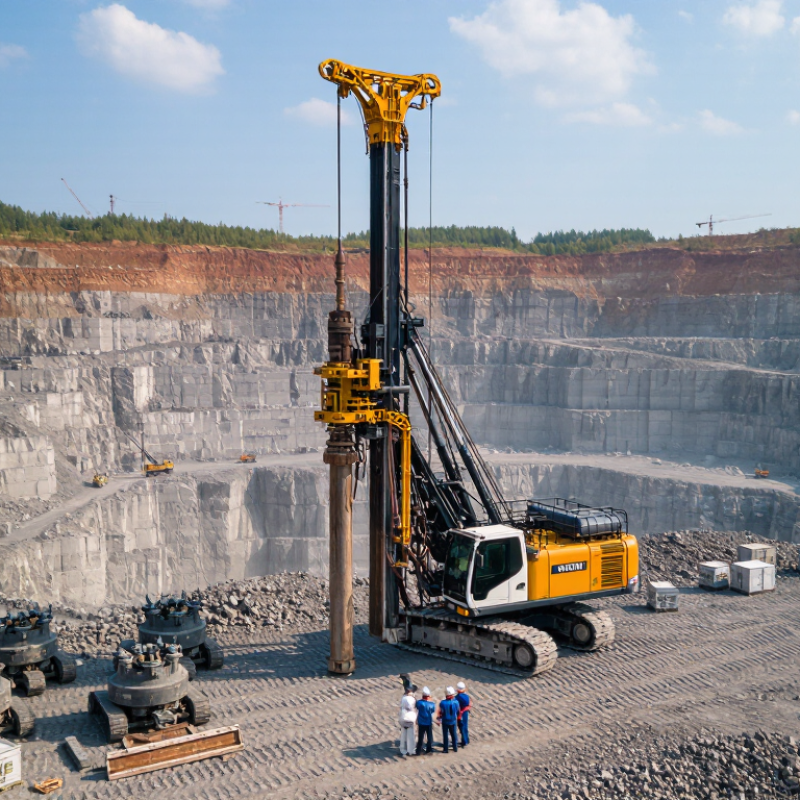
China Top Surface Drilling Rig Manufacturers How to Choose?

Types of Surface Drilling Rigs Used in China

China uses several surface drilling rig types, each matched to geology, hole depth, and project scale. Rotary blasthole rigs are common in open-pit coal and metal mines. They drill large-diameter holes for controlled blasting. The National Bureau of Statistics reported China’s raw coal output at about 4.66 billion tonnes in 2023. That scale sustains demand for high-output drilling equipment.

Down-the-hole rigs suit hard rock and medium-diameter holes. A hammer works near the bit, improving energy transfer in fractured formations. Top-hammer rigs remain useful for quarrying, construction aggregates, and shallow mining. Reverse-circulation rigs support faster exploration sampling, especially when companies need reliable chip recovery. The China Geological Survey’s 2023 work reports continued investment in mineral exploration, including deep and critical-mineral projects. Conditions vary sharply across western plateaus, northern coalfields, and humid southern quarries.

Crawler-mounted rigs offer mobility on uneven benches and remote access roads. Truck-mounted units move faster between prepared sites. Rotary core rigs provide intact samples, but they usually require slower drilling and careful water management. The USGS Mineral Commodity Summaries 2024 recorded China’s 2023 rare-earth mine production at approximately 240,000 metric tons. Exploration demand is therefore real, yet selection should not follow output figures alone. A rig that performs well in dry granite may struggle in broken limestone. That distinction matters. Buyers should compare penetration rate, compressor capacity, dust control, fuel use, maintenance access, and operator training. The categories overlap in practice, and an overly simple specification can still lead to an expensive mistake.

Key Factors for Evaluating Chinese Drilling Rig Manufacturers

China Top Surface Drilling Rig Manufacturers: How to Choose?

Evaluating a Chinese surface drilling rig manufacturer requires more than comparing prices. The IEA’s Global Critical Minerals Outlook 2024 projects clean-energy lithium demand will grow ninefold by 2040. Mining contractors will need reliable equipment, not temporary savings. Check the manufacturer’s experience with similar rock formations, hole diameters, drilling depths, and working temperatures. Ask for project records, maintenance logs, and verified customer references. A polished showroom proves little. Inspect weld quality, mast alignment, rotary-head vibration, dust-control systems, and hydraulic leakage during a factory visit.

Technical evidence matters. Request factory acceptance test results, component traceability, load-test records, and software documentation. The World Bank’s Logistics Performance Index 2023 gave China an overall score of 3.7 out of 5, supporting its strong manufacturing and export infrastructure. Still, delivery performance can vary between factories. Confirm production capacity through an on-site audit, not a sales presentation. Review ISO 9001 certification, but verify its scope and recent audit status. Certification alone cannot guarantee field reliability.

After-sales support often separates a useful rig from an expensive problem. Examine spare-parts availability, technician response times, remote diagnostics, and training procedures. Require clear service-level terms and a realistic parts list for the first two operating years. Fuel use, compressor efficiency, and bit consumption should be measured during trials. Small differences become costly across several shifts. No checklist is perfect. I would also test the rig in dusty, uneven conditions, because laboratory demonstrations may hide weaknesses. Choose documented performance over confident promises.

China Top Surface Drilling Rig Manufacturers How to Choose? - Key Factors for Evaluating Chinese Drilling Rig Manufacturers
Evaluation Dimension Weight Key Parameters to Compare Typical Surface Drilling Reference Range Recommended Evaluation Method Required Supporting Evidence
Application Suitability 15% Drilling method, formation type, hole diameter, hole depth, terrain and operating environment Confirm that the proposed configuration matches rotary, down-the-hole or top-hammer drilling requirements; common surface applications range from construction and quarrying to mining and water-well drilling. Provide the planned hole diameter, maximum depth, rock hardness, elevation, ambient temperature and daily operating hours before requesting a quotation. Configuration sheet, application references, drilling case records and a written technical suitability statement
Drilling Performance 15% Rated drilling depth, maximum hole diameter, feed force, rotation torque, rotation speed and penetration rate Compare rated values under the same drilling method and ground conditions. Surface rigs commonly offer drilling depths from several tens to several hundred metres, depending on configuration. Use a standardized test hole or verified field data rather than comparing maximum catalogue values alone. Factory test report, performance curves, drilling logs and independently verifiable project data
Powertrain and Fuel Efficiency 10% Engine power, emissions compliance, fuel consumption, cooling capacity and power transmission efficiency Engine power should be matched to compressor demand, hydraulic load and drilling depth. Fuel use should be measured in litres per operating hour under a defined load. Request fuel-consumption data at idle, normal drilling and maximum load; verify the applicable emissions standard for the destination market. Engine certificate, emissions documentation, fuel-consumption test conditions and maintenance schedule
Structural Quality and Durability 12% Mast design, frame strength, weld quality, component protection, corrosion resistance and service life Inspect load-bearing welds, mast alignment, hydraulic-cylinder mounting points and protection of hoses, cables and control components. Review material specifications and conduct a pre-delivery inspection covering welds, fasteners, alignment and hydraulic leakage. Material certificates, welding-quality records, structural drawings, inspection checklist and warranty terms
Hydraulic and Control System 10% Hydraulic pressure, flow capacity, control precision, automation level, monitoring system and alarm functions The hydraulic system should deliver stable feed and rotation performance without excessive heat generation, pressure fluctuation or control delay. Assess response during start-up, drilling, rod handling, emergency stop and simultaneous hydraulic operations. Hydraulic schematic, control-system description, alarm list, software documentation and demonstration results
Compressor and Air System 8% Air pressure, free air delivery, compressor type, air filtration, cooling and moisture management For down-the-hole drilling, compressor output must be matched to the selected hammer, hole diameter, depth and altitude; pressure and flow should be assessed together. Verify air delivery at the stated operating pressure and account for altitude-related performance reduction where applicable. Compressor data sheet, pressure-flow curve, filtration specification and altitude derating information
Operator Safety and Ergonomics 10% Emergency stops, guards, access platforms, visibility, noise, vibration, rollover protection and maintenance access Safety equipment should be suitable for the intended jurisdiction and include clearly labelled controls, guarded moving parts and accessible emergency isolation points. Conduct a safety walk-around and functional test before shipment or acceptance; evaluate operator visibility and routine service access. Risk assessment, safety manual, conformity documentation, noise or vibration data and inspection records
Component Availability 8% Availability of engines, pumps, valves, filters, drilling tools, hoses and electronic components Standardized components and clearly identified replacement parts generally reduce downtime and simplify local maintenance. Request a recommended spare-parts list for the first 12 months and confirm lead times for critical wear parts. Parts catalogue, component-origin list, stock policy, lead-time statement and interchangeability information
After-Sales Service 7% Warranty period, commissioning, training, remote support, field-service response and technical documentation A practical support plan should define response channels, service responsibilities, training scope and parts-supply commitments. Score the supplier on documented service procedures rather than verbal promises; identify the responsible service contact before ordering. Warranty policy, service-level agreement, training plan, service network details and troubleshooting manuals
Compliance and Export Readiness 3% Safety conformity, electrical requirements, emissions rules, import documentation and destination-country standards Requirements vary by destination. Confirm applicable machinery, emissions, electrical, transport and customs documentation before production. Have the importer, local authority or qualified compliance professional review the documentation before shipment. Declaration of conformity, test certificates, user manuals, packing list, origin documents and export records
Total Cost of Ownership 2% Purchase price, freight, tooling, fuel, maintenance, downtime, spare parts and resale value The lowest purchase price does not necessarily provide the lowest cost per drilled metre; operating cost and productivity should be included. Calculate estimated cost per drilled metre using the same working hours, fuel price, labour assumptions, tool life and maintenance intervals. Itemized quotation, operating-cost assumptions, maintenance intervals, tooling prices and five-year cost estimate
Scoring Guide: Rate each dimension from 1 to 5, where 1 = insufficient evidence or poor fit and 5 = fully verified, technically suitable and commercially supported. Multiply each rating by the stated weight to create a comparable supplier evaluation score.

How to Compare Rig Performance, Quality, and Safety

China Top Surface Drilling Rig Manufacturers: How to Choose?

When comparing surface drilling rigs, start with measured performance, not brochure promises. Check penetration speed, drilling depth, torque, fuel use, and compressor output. Ask for test data from similar rock conditions. A rig that performs well in soft ground may struggle in fractured granite. Field experience matters here. Operators can reveal vibration, overheating, and control problems that specifications often hide.

Quality appears in details. Inspect welds, hydraulic lines, mast alignment, and access to service points. Request maintenance records and component traceability. Reliable manufacturers should provide clear manuals, training, and spare-parts support. Safety deserves equal attention. Look for emergency stops, guarded moving parts, stable platforms, dust control, and effective noise reduction. Confirm that the design follows applicable local safety standards. Do not accept vague compliance statements.

Tips: Compare two or three rigs during practical trials. Record drilling time, fuel consumption, noise, and downtime. Ask operators to test visibility and control response. Check whether routine filters can be replaced safely on site. A lower purchase price can become expensive after repeated repairs. Still, no test predicts every worksite. Weather, geology, and operator skill will change results. That uncertainty should be discussed openly._久久爱

How to Verify Manufacturer Capability and After-Sales Support

Choosing a surface drilling rig manufacturer in China requires more than comparing prices. Verify what the factory can build, test, and support. Request a current factory video, production address, and live video inspection. Look for machining areas, assembly bays, pressure testing, and finished rigs awaiting shipment. A polished brochure is not proof. Ask for inspection reports, serial records, and recent delivery references.

Technical credibility appears in details. Ask engineers to explain drilling depth, rock conditions, compressor output, fuel use, and maintenance intervals. Their answers should match the model drawings and test data. Request a sample factory acceptance test, including noise, vibration, feed speed, and emergency shutdown checks. Check whether major components have traceable specifications and available replacements. One overlooked detail can stop a rig on site. No supplier answers every question perfectly, and unclear replies deserve careful review.

After-sales support must be measurable, not decorative language. Read warranty terms line by line. Confirm response times, remote diagnosis, technician availability, spare-parts stock, and training materials. Ask who pays for travel and how urgent failures are handled. Speak with two recent customers operating similar rigs in comparable geology. Their comments about response speed may differ from sales promises. A written parts list helps, although it may still miss small seals and sensors. That gap deserves a direct question before payment.

China Top Surface Drilling Rig Manufacturers: How to Choose?

Manufacturer verification scorecard based on factory capability, compliance evidence, product validation, and after-sales support.

Use this 100-point evaluation framework when comparing surface drilling rig suppliers. Give higher scores only when the manufacturer provides verifiable documents, such as factory audit records, quality-management certificates, equipment test reports, spare-parts plans, technician training records, and clearly defined warranty response procedures.

How to Select the Right Chinese Surface Drilling Rig Supplier

China Top Surface Drilling Rig Manufacturers: How to Choose?

Selecting the right Chinese surface drilling rig supplier requires more than comparing catalogue prices. Start with your actual geology, hole diameter, bench height, and daily production target. The IEA’s Global Critical Minerals Outlook 2024 projects lithium demand to increase about nine times by 2040 under its stated-policies scenario. Exploration pressure is growing, but unsuitable equipment can erase those productivity gains.

Ask suppliers for test data from rock conditions similar to yours. Confirm drilling speed, fuel consumption, compressor output, dust control, and penetration performance. Request a factory acceptance test before shipment. Check ISO 9001 certification, welding records, component traceability, and spare-parts availability. The Fraser Institute’s 2023 Annual Survey covered 293 mining jurisdictions, showing how investment decisions depend heavily on policy and infrastructure confidence. Supplier transparency matters too. Some specifications look impressive, yet they may be measured in soft rock. That is an uncomfortable detail many buyers overlook.

Tips: Compare three complete ownership costs, not three machine prices. Visit the factory if possible. Speak with two operating customers, preferably in similar geology. Clarify warranty response times, remote diagnostics, operator training, and delivery of critical parts. I would also record every promised performance figure in the contract. Memory is unreliable, and optimistic sales conversations can become expensive misunderstandings.

Scroll to Top