
Why Choose Flexible Busbars for Your Electrical Needs?

In modern electrical systems, choosing the right components is crucial. Flexible Busbars stand out as a versatile solution. They offer newcomers an avenue to enhance design efficiency. Skilled engineers appreciate their adaptability in complex layouts. This adaptability is vital in tight spaces or intricate configurations.

Flexible Busbars are lightweight yet robust. This combination allows for easy installation and maintenance. Customizable options make them suitable for various applications. From renewable energy to industrial machines, their applications are vast. However, some may overlook their potential advantages in favor of traditional methods.

While Flexible Busbars provide many benefits, challenges exist. Ensuring proper design and installation requires expertise. Moreover, understanding material properties is essential for optimal performance. Users must weigh these aspects carefully. With proper knowledge, Flexible Busbars can indeed meet a wide range of electrical needs.
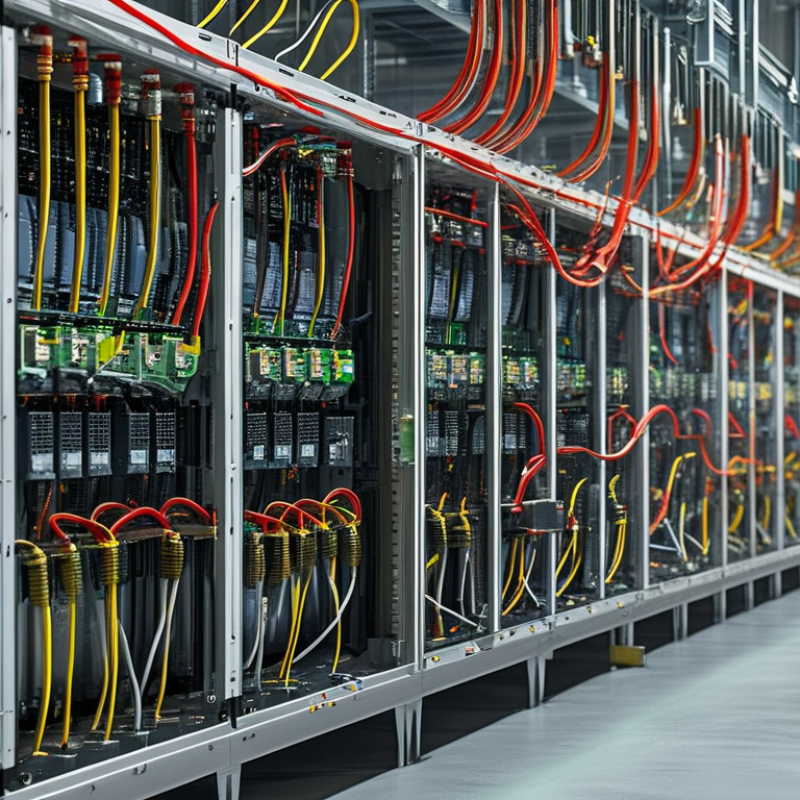
Why Choose Flexible Busbars for Your Electrical Needs?

Understanding Flexible Busbars: An Overview of Their Design and Function

Flexible busbars are increasingly popular in electrical systems. Their design allows for easy adaption to different layouts and configurations. Unlike traditional busbars, flexible options can accommodate movement and vibration. This feature is particularly useful in industrial settings where machines operate under varying conditions.

The materials used in flexible busbars play a crucial role in their function. They often consist of copper or aluminum, ensuring excellent conductivity. The flexibility also comes from the layered construction, enabling them to bend and twist without breaking. However, the manufacturing process can lead to inconsistencies. Some products might not meet the required standards, emphasizing the need for careful selection.

Installation of flexible busbars should be approached with caution. While they offer many benefits, improper handling can lead to issues. Connections must be secure to prevent overheating. Regular inspections are essential to maintain reliability in electrical systems. Users should always seek professional advice when in doubt.

Why Choose Flexible Busbars for Your Electrical Needs?

This chart illustrates the advantages of flexible busbars in various electrical applications. The data represents different criteria where flexible busbars outperform traditional wiring systems.

Key Advantages of Flexible Busbars for Electrical Applications

Flexible busbars offer numerous advantages for electrical applications. Their ability to adapt to various configurations makes them ideal for dynamic environments. Unlike rigid alternatives, flexible busbars can easily accommodate movement and thermal expansion. This adaptability helps prevent damage often associated with traditional wiring methods.

Installation is another key benefit. Flexible busbars are simpler and faster to install. They reduce the complexity of electrical connections. This can be especially advantageous in tight spaces or when updates are needed rapidly. However, while installation is easier, attention must be given to proper handling during setup. Careless handling can lead to issues later.

In addition to installation efficiency, flexible busbars provide improved reliability. Their design minimizes contact resistance, which reduces the risk of overheating. This is crucial for maintaining performance in high-demand situations. Yet, it’s important to regularly inspect these components. Neglect can lead to maintenance oversights that might compromise their effectiveness.

Comparative Analysis: Flexible Busbars vs. Traditional Busbar Systems

When comparing flexible busbars to traditional busbar systems, flexibility stands out as a significant advantage. Traditional busbars are rigid and often require extensive engineering to fit specific configurations. Flexible busbars, in contrast, can easily adapt to various installations, making them ideal for dynamic environments. According to a recent industry report by MarketsandMarkets, the flexible busbar market is expected to grow from $1.15 billion in 2020 to $2.01 billion by 2025, highlighting a shift towards these adaptable solutions.

The installation process is another area where flexible busbars excel. They can be installed in less time compared to traditional systems, leading to reduced labor costs. A study by the Electric Power Research Institute noted that faster installation translates to a 25% cost reduction in projects. However, companies must weigh longevity and wear. Flexible busbars may experience wear in high-stress environments, leading to maintenance challenges. This is an important point to consider when planning for long-term reliability.

Flexibility offers multiple configurations, but with it may come compromises. It’s important to assess the environment before making a choice. Traditional systems might provide more stability but are less adaptable. Each choice carries risks and benefits. Addressing potential inefficiencies is crucial for operational excellence. The decision largely depends on specific electrical needs and installation context.

Why Choose Flexible Busbars for Your Electrical Needs? - Comparative Analysis: Flexible Busbars vs. Traditional Busbar Systems

Feature Flexible Busbars Traditional Busbars
Flexibility High flexibility allows for easy installation in varying layouts Rigid structure limits installation options
Weight Lighter, reducing overall system weight Heavier, increasing structural load
Cost Typically higher initial costs but lower installation costs Lower initial costs but higher overall installation and maintenance costs
Customization Highly customizable to fit specific needs Limited customization options
Installation Time Faster installation with versatile configurations Longer installation time due to rigid layout
Thermal Performance Better thermal management due to less heat generation Can generate significant heat under heavy loads
Long-term Performance Durable with less wear and tear More prone to mechanical failure over time

Applications of Flexible Busbars in Various Industries

Flexible busbars serve various industries, effectively meeting the demands of modern electrical systems. In manufacturing, they provide reliable connections across machines and power sources. Their adaptability allows easy integration into existing equipment, enhancing efficiency. In commercial settings, flexible busbars are used in lighting systems and HVAC setups. They facilitate power distribution while minimizing space constrictions.

The renewable energy sector also benefits from flexible busbars. Solar panel systems utilize them to connect multiple panels. This increases energy transfer reliability and reduces installation complexity. In electric vehicle charging stations, flexible busbars manage high currents with ease. They support designs that require compactness without sacrificing safety standards.

Despite their advantages, choosing the right flexible busbar is crucial. Not all applications benefit equally from this technology. Wrong specifications can lead to energy losses or overheating. It is essential to consult with industry experts to ensure optimal performance. This makes evaluation a necessary step in adopting flexible busbars effectively.

Best Practices for Installing and Maintaining Flexible Busbars

Flexible busbars are essential in optimizing electrical systems. Their design allows for efficient power distribution. Proper installation and maintenance practices play a crucial role in maximizing their longevity.

When installing flexible busbars, ensure the surfaces are clean and free from debris. Use appropriate tools to avoid damaging components. According to a report by the International Electrotechnical Commission, improper installation can lead to performance degradation in 30% of cases. Regular inspections can catch potential issues early.

Tip: Always check for signs of wear or corrosion during maintenance. If neglected, these factors can lead to system failures. A study by the Institute of Electrical and Electronics Engineers indicates that over 20% of electrical failures stems from inadequate maintenance. Keeping records of inspections helps identify patterns that may indicate deeper issues.

Scroll to Top