What is a Halbach Array Motor and How Does it Work?

The Halbach array motor represents a significant advancement in electromagnetic technology. Dr. Emily Larson, an expert in magnetic engineering, states, “The efficiency of a Halbach array motor can redefine the future of electric mobility.” This statement highlights the growing importance of such motors in various applications.

A Halbach array motor utilizes a unique configuration of magnets. This arrangement enhances the magnetic field on one side while canceling it on the other. As a result, it generates stronger torque than traditional motors. Many in the industry see its potential for improving electric vehicles and renewable energy systems.

However, the implementation of Halbach array motors is not without challenges. Designing them requires precise engineering and quality materials. Additionally, cost factors may hinder widespread adoption. Experts like Dr. Larson emphasize the need for ongoing research. The future of Halbach array motors holds promise, despite these hurdles.
What is a Halbach Array Motor and How Does it Work?

Definition of Halbach Array and Its Components

A Halbach Array is a special arrangement of magnets. It enhances the magnetic field on one side while canceling it out on the other. This unique design offers efficiency and power in applications like electric motors.

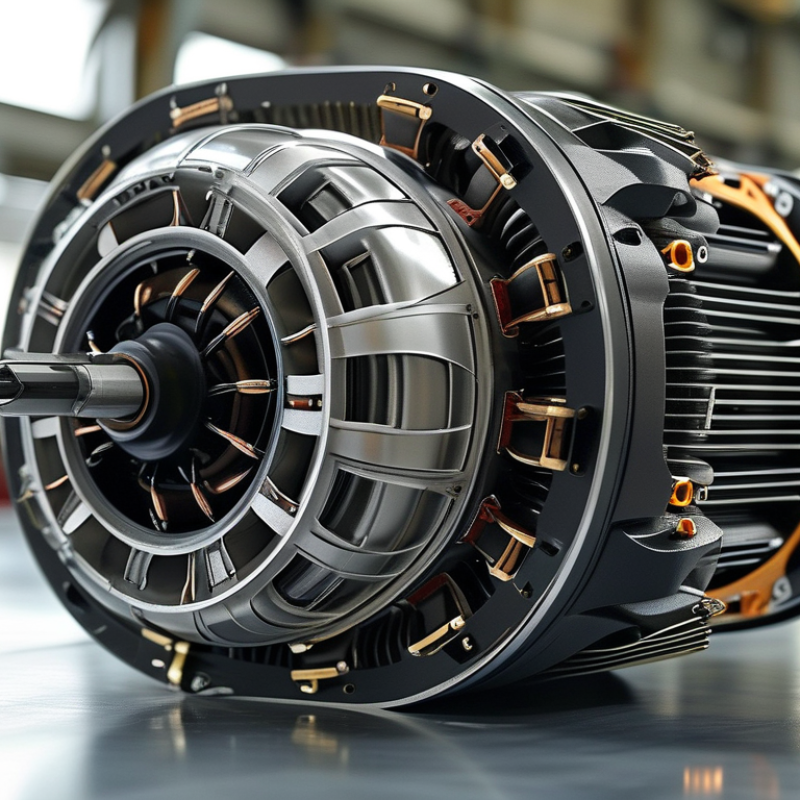
The components of a Halbach Array typically include permanent magnets. These magnets are arranged in a specific pattern, usually in a circular or linear formation. Each magnet's orientation shifts in a particular sequence. This setup not only increases the magnetic flux on one side but also minimizes magnetic interference on the opposite side.

Halbach Arrays are found in various technologies. They are used in magnetic levitation trains and specialized motors. However, there's room for improvement. The assembly process can be complicated and costly, impacting overall efficiency. Proper alignment and the right choice of materials are crucial. Ensuring magnets are securely placed is essential. Even small errors can affect performance. Thus, while Halbach Arrays have immense potential, challenges remain in their practical applications.

What is a Halbach Array Motor and How Does it Work?

Component Description Function
Permanent Magnets Magnets arranged in a specific pattern to enhance magnetic field effects. Generate a strong, uniform magnetic field across the rotor.
Rotor The rotating part of the motor that interacts with magnetic fields. Converts electromagnetic energy into mechanical energy.
Stator Stationary part of the motor housing the coils. Provides the electric current needed to work with the rotor.
Control System Electronics used to manage motor speed and torque. Optimizes motor performance and efficiency.
Cooling System Heat management mechanisms to prevent overheating. Ensures motor operates within safe temperature limits.

Principle of Operation for Halbach Array Motors

Halbach array motors utilize a unique configuration of permanent magnets. This arrangement enhances magnetic field strength on one side while canceling it on the other. The result is increased efficiency and torque output compared to traditional motors. Halbach arrays often find their way into applications that require compact designs and high performance. Understanding how these motors operate is crucial for engineers and enthusiasts alike.

The principle of operation lies in the precise orientation of magnets. Each magnet's magnetic field interacts with others in a specific manner. As the rotor spins, the magnetic field continually shifts, producing rotational motion. This setup minimizes energy losses by maintaining a strong magnetic pull where it’s needed while reducing the opposing forces elsewhere. This configuration leads to remarkable efficiency, making Halbach motors suitable for various fields.

Tip: Ensure optimal alignment when designing a Halbach array motor. Misalignment can lead to reduced performance. Additionally, regular testing can help identify inefficiencies in your motor’s output. Observing and adjusting the arrangement may yield better results. Every project offers learning opportunities.

Advantages of Using Halbach Array in Motor Design

Halbach Array motors are innovative designs that leverage the unique alignment of magnets. This arrangement boosts the magnetic field on one side while minimizing it on the other. The advantages are significant, especially in efficiency and power output. Reports indicate that Halbach arrays can increase motor efficiency by up to 30%. This efficiency leads to reduced energy consumption, which is crucial in today's market focused on sustainability.

One benefit of Halbach Array motors is their compact size. They produce high torque without the bulk of traditional motors. This is particularly useful in electric vehicles and robotics, where space is often limited. Analysts highlight that as industries move towards electrification, Halbach designs offer a Solid route for achieving better performance. This can redefine what is possible in motor applications.

Tips: When considering a Halbach Array design, evaluate your application requirements closely. Understand that while these motors are efficient, they may require specific control strategies. Adequate research can unveil potential challenges. The integration process may not be straightforward for all designs. Be ready to test different configurations to optimize performance.

Applications of Halbach Array Motors in Industry

Halbach array motors are gaining traction in various industries due to their unique magnet arrangements. These motors enhance efficiency and power density by reducing the magnetic field on one side while intensifying it on the other. For instance, a report from the International Electromechanical Society highlights that Halbach arrays can offer a 30% improvement in torque density compared to traditional designs. This increase allows for smaller and lighter motors, which is crucial in applications such as electric vehicles and robotics.

In the automotive sector, Halbach array motors are being integrated into electric powertrains. The reduced weight directly contributes to improved energy efficiency. A study from the IEEE reveals that vehicles employing these motors can achieve up to 15% greater range on a single charge. Additionally, in industrial automation, their quiet operation and compact size make them ideal for precision applications. However, sourcing high-quality magnets remains a challenge, potentially affecting performance and sustainability.

The aerospace industry also benefits from Halbach arrays. Their high efficiency helps in minimizing energy losses, which is vital for long-haul flights. According to a recent analysis by the Aerospace Technology Institute, integrating these motors could lead to a 20% reduction in fuel consumption in future aircraft designs. Despite their benefits, the complexity of manufacturing Halbach array motors can present obstacles. Ensuring consistent quality in production is an area that needs more focus.

Comparison with Traditional Motor Designs and Performance

Halbach arrays represent a significant advancement in motor technology. They contrast sharply with traditional motor designs. Traditional motors often use symmetrical patterns, leading to uneven magnetic fields. This can reduce efficiency and increase losses. In contrast, Halbach arrays employ a unique arrangement of permanent magnets. This configuration enhances the magnetic field on one side while canceling it on the other. This design maximizes the magnetic flux where it is needed most. It leads to smaller and lighter motors.

Performance-wise, Halbach array motors excel in applications requiring high torque and efficiency. They can deliver greater power with less energy consumption compared to conventional motors. However, manufacturing these arrays can be more complex and costly. This complexity raises questions about practicality for mass production. Additionally, the unique properties of Halbach arrays may not be suitable for all applications. In situations where high starting torque is needed, traditional motors might prevail. Understanding these trade-offs is crucial for engineers. It allows them to select the right motor design for specific applications.

Performance Comparison: Halbach Array Motor vs. Traditional Motors

This chart compares the efficiency and torque output of Halbach Array Motors against traditional motor designs. The data visualizes how Halbach Array Motors achieve higher efficiency and torque due to their unique magnetic configuration.

Scroll to Top