
Top Pouch Cell Trimming Machine Manufacturers

Choosing among the Top Pouch Cell Trimming Machine Manufacturers requires more than comparing prices or brochure specifications. A reliable Pouch Cell Trimming Machine must produce clean, repeatable edges without damaging the aluminum-plastic laminate. It should also maintain stable trimming accuracy during long production runs. Small defects matter. A rough edge can affect sealing, insulation, and later cell assembly.

Dr. Jeff Dahn, a leading lithium-ion battery researcher, has repeatedly emphasized a practical lesson: “The devil is in the details.” That warning fits pouch-cell manufacturing closely. Blade geometry, fixture pressure, dust control, and operator access can shape final quality. A strong manufacturer explains these details clearly. It provides sample testing, process data, maintenance guidance, and responsive technical support. Factory experience matters too. Machines should be assessed beside real production conditions, not only polished demonstrations.

This introduction examines manufacturers through an engineering and purchasing lens. It considers cutting precision, throughput, automation, safety features, customization, and after-sales service. It also asks uncomfortable questions. Does the machine remain accurate after thousands of cycles? Can technicians replace the blade quickly? Are performance claims independently verified? No ranking is perfect. Supplier information can be incomplete, and factory needs can differ sharply. Even so, careful comparison can reduce costly trial and error. The best choice is rarely the most impressive machine on paper. It is the one that delivers consistent pouch-cell trimming, practical maintenance, and dependable support when production becomes demanding.
Top Pouch Cell Trimming Machine Manufacturers

What Is a Pouch Cell Trimming Machine?

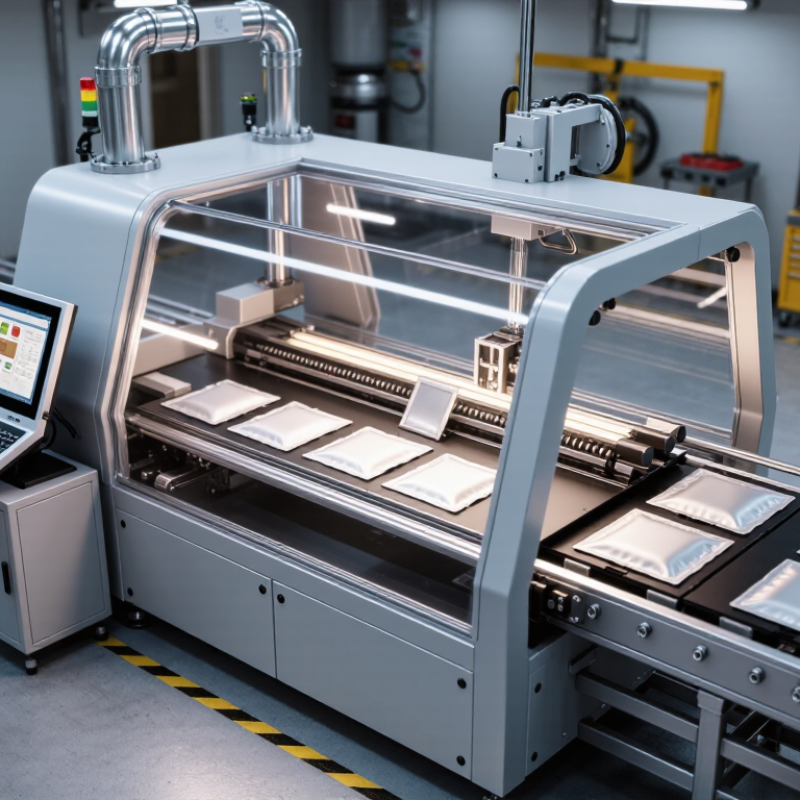
A pouch cell trimming machine is industrial equipment that cuts excess film from a sealed pouch battery cell. The process creates a cleaner, more consistent edge around the cell. It usually includes a positioning fixture, cutting tool, pressure control, and safety sensors. The fixture holds the cell flat while the blade follows a programmed path. This prevents shifting during trimming. It also reduces uneven edges, torn film, and accidental damage near the sealed area.

In practical production, technicians adjust cutting pressure, speed, and alignment for each cell design. Excessive pressure may deform the pouch. Insufficient pressure may leave film fragments behind. Temperature and seal width can also affect the result. A precise machine still needs regular cleaning and inspection. This point is easy to underestimate. Dust near the fixture can change cutting accuracy over time. Operators should check sample cells under magnification and record visible defects. Reliable results come from equipment, settings, and disciplined operation together.

Tips: Confirm the machine supports your pouch dimensions before purchase. Request trial trimming with real sample cells. Inspect blade wear, emergency stops, and guarding. Keep a simple maintenance record. Small records prevent repeated mistakes.

Key Features and Trimming Processes to Compare

Top Pouch Cell Trimming Machine Manufacturers

When comparing top pouch cell trimming machine manufacturers, study the trimming process, not only catalog speed. In production, stable edge quality matters more than a dramatic cycle-time claim. A capable machine should guide cells consistently, detect pouch position, and control blade pressure. Servo adjustment helps maintain repeatable cuts across different cell sizes. Look for guarded tooling, clear access doors, and sensors that stop motion after misalignment. These details reduce damaged corners and operator exposure. Ask for documented test results using materials close to your own pouch film.

The trimming sequence deserves close review. The machine should locate the cell, clamp it gently, trim excess aluminum-plastic film, and remove waste without pulling the seal. A clean cut leaves an even border and avoids exposed layers. Vision inspection can identify wrinkles, offset seals, or incomplete trimming before the cell moves onward. Compare changeover time, recipe storage, reject handling, and data records. These features support traceability and practical maintenance. I would still question perfect sample videos. Real lines contain dust, material variation, and rushed adjustments. A factory acceptance test may reveal weaknesses that brochures hide.

Tips: Request ten or more consecutive samples from each proposed setup. Measure edge width, seal damage, cycle consistency, and scrap rate. Check how quickly an operator can replace blades safely. Short trials are useful, but they can flatter performance. Include your most difficult cell format. Also confirm training, spare-part availability, and calibration procedures before purchase.

Top Pouch Cell Trimming Machine Manufacturers - Key Features and Trimming Processes to Compare

Pouch-cell trimming typically combines web or cell positioning, clamping, perimeter cutting, scrap removal, and edge inspection. The chart below presents representative engineering reference values for comparing machine capabilities; actual limits depend on pouch format, seal structure, tooling, and production requirements.

The comparison focuses on practical evaluation dimensions: positioning accuracy, repeatability, cutting speed, inspection resolution, and edge-quality control. These indicators should be validated against the cell design and qualification standards of the intended production line.

How to Evaluate Pouch Cell Trimming Machine Manufacturers

Evaluating pouch cell trimming machine manufacturers requires more than comparing catalog prices. Start with trimming accuracy. Ask for sample results using your actual pouch dimensions and material structure. Inspect the cut edge under magnification. It should be clean, consistent, and free from visible burrs or crushed layers. Measure edge deviation across several cells, not just one successful sample.

Experienced manufacturers can explain blade materials, alignment methods, dust control, and changeover procedures clearly. Request a live factory acceptance test with your production settings. Record cycle time, rejection rate, noise, and operator steps. The machine should also protect sensitive pouch surfaces during feeding and clamping. Small details matter. A loose guide can create repeated defects.

Review the manufacturer’s engineering documents, maintenance schedule, spare-parts list, and training plan. Ask how they trace design changes and respond to technical failures. I once focused too heavily on cutting speed and overlooked cleaning access. That mistake increased downtime during long trials. A better evaluation includes several continuous operating shifts, realistic staffing, and planned maintenance. Do not rely only on polished videos or isolated test data. Visit an operating installation when possible, and speak with technicians about actual recovery time. The best supplier may not offer the lowest quotation, but should provide measurable performance, transparent communication, and evidence that the equipment can remain stable after installation.

Leading Manufacturer Capabilities and Industry Applications

Leading manufacturers of pouch cell trimming machines combine mechanical precision with practical process knowledge. They design servo-driven cutting systems for stable edge quality and repeatable dimensions. Fine adjustment matters when aluminum laminate layers vary slightly. It prevents torn edges, burrs, and unnecessary material loss.

Experienced suppliers usually support vision inspection, dust extraction, and programmable recipes. These features help operators control pouch length, seal margins, and cutting pressure. Reliable machines also record production data for traceability and maintenance planning. A strong manufacturer tests tooling with real cell materials, not only standard samples. This detail often separates laboratory performance from factory performance.

Pouch cell trimming machines serve electric vehicles, consumer electronics, and stationary energy storage. They can process prototypes, pilot batches, and higher-volume production lines. Custom fixtures support different cell sizes and forming methods. Integration with sealing, testing, and material handling equipment can reduce manual transfers. The process is rarely flawless. Film tension, tool wear, and alignment errors still require attention. A specification sheet may hide these practical weaknesses. Manufacturers should provide training, validation support, and clear replacement procedures. Operators need simple adjustments, visible safety controls, and fast access to critical components. Continuous feedback from production teams remains essential, because the best machine on paper may need refinement on the factory floor.

Selection Criteria for Different Battery Production Needs

Top Pouch Cell Trimming Machine Manufacturers: Selection Criteria for Different Battery Production Needs

Battery demand is reshaping pouch-cell equipment decisions. The International Energy Agency reported that electric-vehicle battery demand exceeded 750 GWh in 2023, rising by about 40% year on year. Its Global EV Outlook 2024 also indicates strong growth through 2035. Therefore, buyers should assess production fit, not only advertised speed.

For laboratory and pilot lines, repeatability matters more than maximum output. Select machines with adjustable trimming paths, quick tooling changes, and clear parameter records. A practical target is stable edge accuracy across small batches. Inspectors should check burr formation, film damage, dust control, and seal-area protection. Small defects become expensive during scale-up.

Mid-volume factories need balanced automation. Look for synchronized feeding, vision inspection, reject handling, and production-data traceability. Large plants may prioritize uptime, remote diagnostics, modular maintenance, and changeover time. Benchmark Mineral Intelligence has reported continuing expansion in global battery manufacturing capacity, increasing pressure on equipment utilization. Yet faster is not always better. Excessive cutting speed can increase heat, vibration, and debris.

Ask for verified factory data.

A supplier should provide acceptance-test results under comparable materials and pouch sizes. Service response, spare-part availability, operator training, and software access also deserve careful review. One weakness remains common: buyers sometimes compare machines using ideal samples only. That approach needs reconsideration. Real selection should include wrinkled film, thickness variation, extended running hours, and deliberate fault tests.

Scroll to Top