
Traveling often means venturing into the unknown. With this excitement comes the need for dependable power sources. A vehicle power inverter plays a crucial role here. It transforms DC power from your car battery into AC power. This feature is essential for charging devices on the go. Imagine enjoying hot coffee from a travel maker or keeping your devices charged.
Yet, many travelers overlook the importance of this device. They might struggle with dead batteries during long trips. A vehicle power inverter can be a lifesaver in these situations. It's not just about convenience; it can enhance your travel experience. Carrying this tool opens up new possibilities, like powering a laptop for work, or a small fridge for snacks.
However, choosing the right inverter can be tricky. Factors include wattage needs and compatibility. Reflecting on your travel style will help you find the best fit. The right vehicle power inverter ensures you stay connected and comfortable. It’s a small investment that can make a big difference.
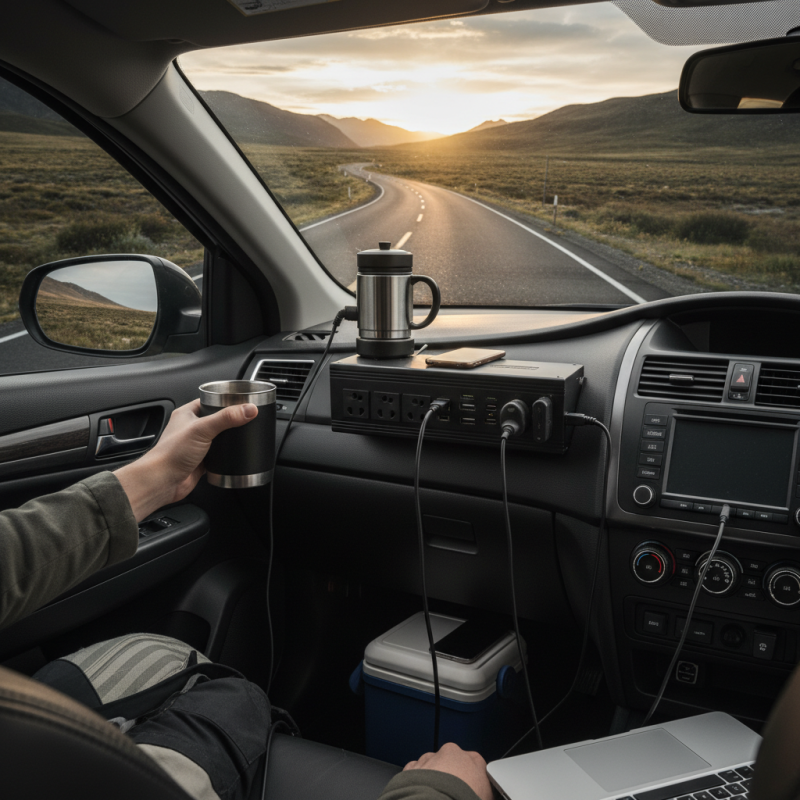
When traveling, having a reliable power source can make all the difference. A vehicle power inverter converts your car’s DC power into AC power. This allows you to charge laptops, phones, and even small appliances on the go. Imagine stopping at a scenic lookout and getting work done or enjoying a movie comfortably.
Understanding the basics of vehicle power inverters is essential. They come in various sizes and outputs. Some can handle only small devices, while others power larger electronics. It's crucial to match the inverter's capacity with your needs. Sometimes, users overestimate their requirements. This leads to frustration when devices do not function properly.
Another aspect to consider is installation. Many people think it’s a straightforward task. However, improper connections can lead to blown fuses or damaged equipment. It's worth taking the time to learn about proper setup. Researching user experiences can also provide valuable insights. Reflecting on your specific travel habits will guide you in choosing the right inverter.
When traveling, having a reliable power inverter is vital. A vehicle power inverter converts your car's DC power to AC power. This allows you to charge devices or run appliances on the go. There are several types of inverters available, each with its unique features and uses.
One common type is the pure sine wave inverter. It produces clean power, similar to what your home provides. This is ideal for sensitive electronics like laptops and medical devices. In contrast, modified sine wave inverters are more affordable. They work for basic electronics but may not power everything efficiently.
Another option is a portable inverter. These are compact and easy to store. They can be used for camping trips, powering a small cooler or charging a phone. However, they might struggle under heavy loads. Be cautious about connecting too many devices. The right inverter ensures that your devices stay charged, but attention is needed to avoid power overload.
| Type of Inverter | Power Output (Watts) | Suitable for | Pros | Cons |
|---|---|---|---|---|
| Modified Sine Wave Inverter | 300 - 3000W | Basic electronics, small appliances | Cost-effective, easy to use | Can cause interference, not suitable for sensitive devices |
| Pure Sine Wave Inverter | 300 - 5000W | Sensitive electronics, medical devices | Clean output, compatible with all devices | More expensive, larger size |
| Inverter Charger | 500 - 5000W | Off-grid systems, RVs | Combines inverter and battery charger, convenient | Higher installation costs, may require special setup |
| DC to AC Inverter | 150 - 3000W | Various automotive gadgets | Directly uses car battery power, portable | Limited power for larger devices |
Traveling often requires the use of various electronic devices. A vehicle power inverter can meet this need effectively. It converts the vehicle's DC power to AC power. This allows you to charge laptops, tablets, and cameras on the go. According to a recent survey, about 70% of travelers prioritize staying connected. An inverter ensures you stay plugged in, whether for work or leisure.
The convenience of a power inverter cannot be overstated. It allows for multiple device connections at once. You can even use kitchen appliances like a blender while camping. Some reports suggest that over 60% of travelers will venture further away from home. This trend increases the demand for portable power solutions. Yet, a poorly chosen inverter can lead to inefficiencies. Understand the wattage of your devices before selecting an inverter.
Battery life is another crucial aspect. Many people overlook drainage when using multiple devices. An average laptop consumes around 50 to 100 watts. If you’re running several gadgets, you may deplete your car battery faster than expected. This can lead to unexpected challenges when on the road. Assessing your power needs carefully can save you from unnecessary headaches. Being informed can turn a potential inconvenience into a seamless travel experience.
When choosing a vehicle power inverter, consider your travel needs. An inverter converts your car’s DC power to AC power, allowing you to use electronics on the road. The right inverter can enhance your travels, providing energy for devices like laptops and portable refrigerators.
Power inverters come in various sizes and capacities. A report by the Consumer Electronics Association states that most travelers need inverters with at least 300 watts capacity. For basic devices, a lower watt inverter suffices. For more demanding gadgets, a 1000-watt model is better. Check the wattage of your devices before purchase.
Tips for choosing:
1. Assess your device needs. Calculate the total wattage required for all devices.
2. Look for an inverter with multiple outlets. This allows charging several devices simultaneously.
3. Read reviews before buying. Many users share experiences that can guide your decision.
Remember, not all inverters are created equal. Some may fail to meet expectations. Research is key. Warnings about overheating, noise, and inefficiency can often help make informed decisions. Think about your priorities and choose wisely.
When traveling, having a vehicle power inverter can be invaluable. However, using it safely is essential. According to industry reports, around 25% of travelers experience issues with their inverters when not used properly. It's crucial to understand the potential hazards involved.
Before plugging in devices, check the inverter's wattage. Overloading it can lead to overheating. If this happens, you risk damaging both your equipment and your vehicle. Regularly inspect your inverter for any signs of wear and tear. Loose connections can lead to sparks, which are dangerous on the road.
Never operate devices while driving. This can divert your attention from the road. It's recommended to use the inverter only when parked. Also, ensure proper ventilation around the inverter. Heat buildup can lead to fires, so keep the area clear. Industry statistics indicate that improperly used power inverters account for a significant share of vehicle fire incidents. Being mindful can make your travel experience smoother and safer.