Why is PMSM Motor the Best Choice for Electric Vehicles Performance
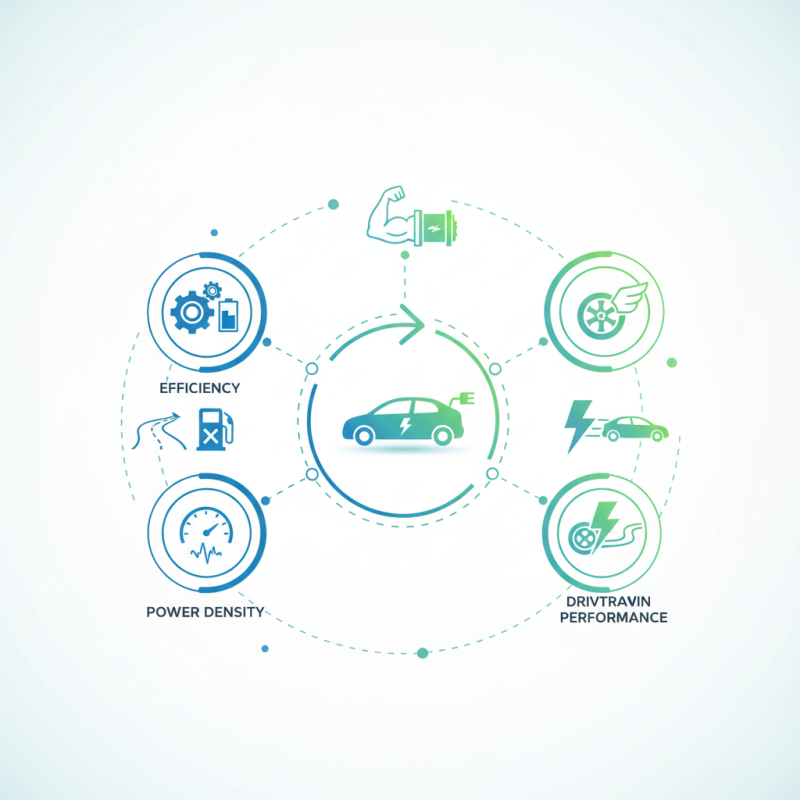
The rise of electric vehicles (EVs) has revolutionized the automotive industry, driven by the demand for more efficient and sustainable transportation solutions. At the heart of this technological transformation is the permanent magnet synchronous motor (PMSM motor for electric vehicles), which has emerged as a robust contender in delivering superior performance compared to traditional motor types. This introduction aims to elucidate why the PMSM motor is increasingly favored in the EV market, highlighting its unique advantages in efficiency, power density, and overall drivetrain performance.
One of the most significant benefits of utilizing a PMSM motor for electric vehicles is its exceptional efficiency across a wide range of operating conditions. Unlike other motor technologies, PMSMs can achieve high torque and power outputs while maintaining lower energy losses, contributing to extended driving ranges and reduced operational costs. Moreover, the compact design of these motors allows for lighter vehicle builds, which is crucial in maximizing energy efficiency. As automakers continue to prioritize performance, the ability of PMSM motors to provide high responsiveness and instant torque further solidifies their reputation as the optimal choice for next-generation electric vehicles.
As the automotive landscape evolves and consumer preferences shift towards greener technologies, exploring the potential of PMSM motors becomes increasingly vital. With their impressive capabilities and inherent advantages, PMSM motors represent a critical component in the push for advanced electric vehicle performance, making them a key focus for manufacturers and researchers alike. This exploration will delve deeper into the technological innovations and practical benefits that position the PMSM motor as the best choice for electric vehicles in today’s market.
Advantages of PMSM Motors Over Other Electric Motor Types
Permanent Magnet Synchronous Motors (PMSM) have emerged as a leading option for electric vehicle (EV) performance due to their superior efficiency and power density. According to a report by the International Energy Agency (IEA), PMSMs can achieve efficiencies exceeding 95% under optimal conditions, significantly outperforming traditional induction motors, which typically reach efficiencies around 85%. This enhanced efficiency translates into longer driving ranges for electric vehicles, addressing one of the primary concerns of EV owners regarding battery life and vehicle range.
In addition to efficiency, PMSM motors offer a high power-to-weight ratio, which is crucial for enhancing the overall performance of electric vehicles. A study conducted by the Electric Power Research Institute (EPRI) indicates that PMSMs can provide up to 50% higher torque density compared to their counterparts. This allows for more compact motor designs that do not compromise on performance, enabling manufacturers to create lighter vehicles with improved acceleration and handling. Furthermore, the quiet operation and reduced vibrations of PMSM motors contribute to a more pleasant driving experience, making them an attractive choice for EV development in the competitive automotive market.
Key Performance Metrics of PMSM Motors in Electric Vehicles
Permanent Magnet Synchronous Motors (PMSM) have emerged as a leading choice for electric vehicles, primarily due to their exceptional performance metrics. One of the most significant advantages of PMSM is their high efficiency, which typically exceeds 90%. This high efficiency translates into greater energy savings and extended driving range for electric vehicles. Additionally, PMSMs exhibit impressive torque density and provide high torque at lower speeds, enabling smoother acceleration and enhanced driving dynamics. This characteristic makes them particularly suitable for urban driving conditions where frequent stops and starts are common.
Another critical performance metric is the ability of PMSM to handle rapid changes in power demand. Their precise control over speed and torque leads to an agile response, which is essential for delivering the required performance under varying loads. Moreover, PMSMs feature a compact design that allows for a more efficient use of space within the vehicle, contributing to design flexibility and reduced weight. This weight-saving characteristic not only aids in increasing overall vehicle efficiency but also enhances handling and stability. Overall, the technical benefits of PMSM motors position them as the optimal choice for achieving high performance in electric vehicles.
Impact of PMSM Motors on Vehicle Range and Efficiency
Permanent Magnet Synchronous Motors (PMSM) have emerged as a leading choice for electric vehicles (EVs) due to their remarkable impact on vehicle range and efficiency. One of the principal advantages of PMSM motors is their ability to deliver high torque at low rpm, which enables smoother acceleration and improved overall performance. This characteristic allows EVs equipped with PMSM to achieve greater distances on a single charge, addressing one of the primary concerns for potential electric vehicle owners—range anxiety.
Efficiency is another critical factor where PMSM motors excel. They utilize high-energy permanent magnets, which minimize energy losses and enhance power output. Consequently, vehicles powered by PMSM can convert a higher percentage of electrical energy from the battery into usable power for driving. This results in extended vehicle range and reduced energy consumption, positioning PMSMs as a premier choice for manufacturers looking to enhance the sustainability of electric mobility.
Tips: To maximize the benefits of PMSM motors in your electric vehicle, it is essential to maintain optimal battery health. Regularly monitor battery charge cycles and avoid deep discharges to prolong battery life. Additionally, consider eco-driving techniques, like gradual acceleration and deceleration, to further improve efficiency and extend your EV’s range.
Comparison of Cost-Effectiveness for PMSM versus Induction Motors
In the ongoing debate about optimal motor choices for electric vehicles (EVs), Permanent Magnet Synchronous Motors (PMSM) often emerge as the frontrunner when evaluating cost-effectiveness against induction motors. While both types of motors have their distinct advantages, PMSMs are typically more efficient, providing higher torque at lower speeds, which translates to superior performance and energy savings for EVs. This efficiency not only leads to a longer driving range on a single charge but also positions PMSMs as a financially sound choice in the long run due to lowered energy consumption.
When considering the overall cost, it’s important to factor in the initial investment versus the operational costs over the vehicle's lifetime. Induction motors may have a lower acquisition cost; however, their efficiency drops at lower speeds and they often require more maintenance due to their complex construction. In contrast, PMSMs offer reduced maintenance needs due to fewer moving parts and consistent performance throughout various operating conditions. This can ultimately lead to lower total cost of ownership for EV manufacturers and consumers alike.
Tips: When selecting a motor for electric vehicles, consider not just the upfront cost, but also how efficient the motor will be under typical driving conditions. Additionally, evaluate the long-term maintenance requirements and potential savings from energy efficiency. Investing in a PMSM may result in a more reliable and cost-effective solution for your electric vehicle needs.
Future Trends in PMSM Technology and Its Role in EV Innovation
The Permanent Magnet Synchronous Motor (PMSM) stands at the forefront of electric vehicle (EV) technology, and its future trends pave the way for significant innovations in this field. With the increasing demand for efficient and sustainable mobility solutions, PMSMs are anticipated to play a crucial role. According to a report by Research and Markets, the global electric vehicle market is projected to grow at a CAGR of over 22% from 2021 to 2026, with PMSMs leading the way due to their high power density and efficiency. The advancements in magnet materials, particularly the development of high-temperature superconductors and innovative magnetic materials, are expected to further enhance the performance and reduce the cost of PMSMs.
In addition to their technical advantages, the role of PMSMs in the evolving landscape of EVs cannot be overstated. They enable lighter vehicles with better acceleration and range, critical factors for consumer acceptance. The International Energy Agency (IEA) has reported that EVs powered by PMSMs can achieve efficiency rates exceeding 95%, significantly reducing energy wastage compared to traditional internal combustion engines. Furthermore, as electrification continues to penetrate various automotive segments, the integration of smart technologies and IoT capabilities into PMSM systems will foster an ecosystem of connected vehicles, paving the way for intelligent transportation systems. This intersection of technology and efficiency marks PMSMs as a cornerstone of future automotive innovations.