What is a PMSM Motor for EVs and How Does It Improve Performance?
The emergence of electric vehicles (EVs) has transformed the automotive landscape, fostering a race for efficiency, sustainability, and performance. Central to this evolution is the Permanent Magnet Synchronous Motor (PMSM motor for EV), a technology that significantly enhances the operational capabilities of electric cars. Unlike traditional engines, the PMSM motor capitalizes on the interaction between permanent magnets and a rotating magnetic field, resulting in superior torque production and efficiency.
The unique design of the PMSM motor allows for a compact form factor while delivering remarkable performance metrics. This motor type operates with high efficiency across a wide range of speeds, which is essential for the varying driving conditions faced by EVs. Furthermore, the integration of PMSM technology accelerates vehicle responsiveness, providing drivers with an exhilarating driving experience. In this exploration of the PMSM motor for EVs, we will delve into its fundamental operational principles, advantages over alternative motor technologies, and its pivotal role in shaping the future of electric mobility.
Understanding Permanent Magnet Synchronous Motors (PMSM) in EVs
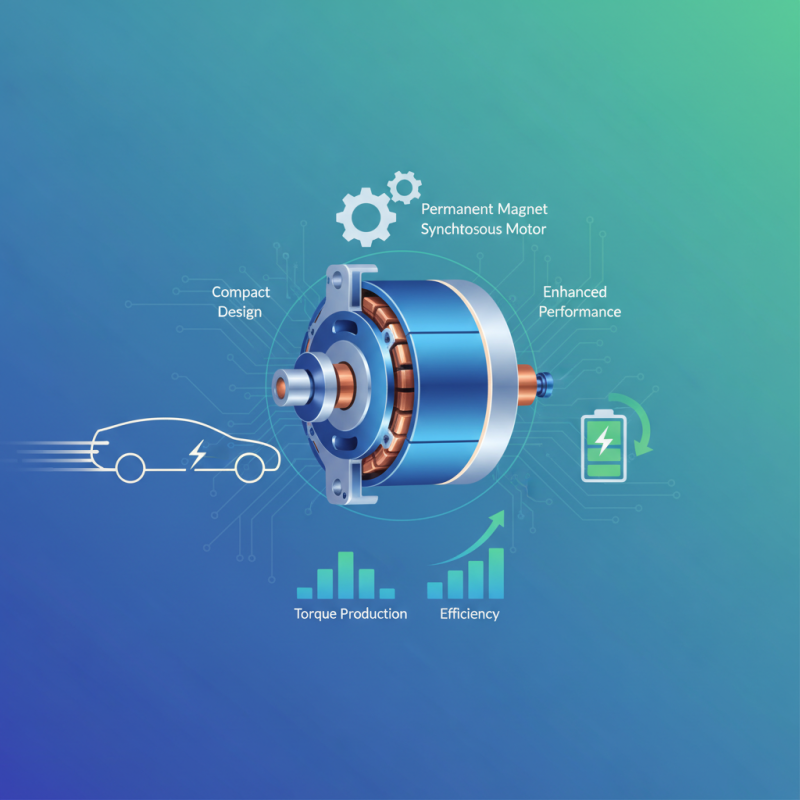
Permanent Magnet Synchronous Motors (PMSM) have emerged as a pivotal technology in the realm of electric vehicles (EVs), primarily due to their efficiency and performance characteristics. Unlike traditional induction motors, PMSMs utilize permanent magnets embedded in the rotor, which allows for higher power density and improved torque generation. This design inherently reduces energy losses, facilitating a more efficient operation across a wider range of speeds. As a result, vehicles equipped with PMSMs can achieve greater acceleration and better overall driving dynamics, translating to an enhanced driving experience for users.
Moreover, PMSMs are known for their precise control capabilities, which are critical for optimizing the performance of EVs. The synchronous nature of these motors ensures that they maintain a consistent speed relative to the frequency of the input current, allowing for seamless integration with advanced drive system technologies. This not only contributes to smoother acceleration and deceleration but also enhances the vehicle's regenerative braking capabilities. By recovering energy during braking, PMSMs further increase the efficiency of EVs, thereby extending their range and making them a more sustainable choice for consumers. The combination of high efficiency, superior power output, and advanced control mechanisms highlights the integral role of PMSMs in advancing the performance standards of electric vehicles.
Key Components of PMSM Motors and Their Functions
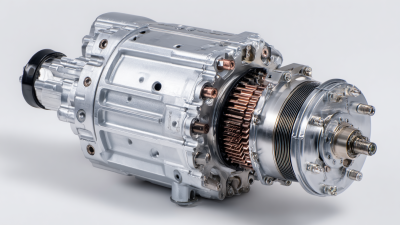
Permanent Magnet Synchronous Motors (PMSM) are integral components in electric vehicles (EVs) due to their ability to deliver high efficiency and performance. The key components of a PMSM include the rotor, stator, and the permanent magnets. The rotor, which is located at the center of the motor, is responsible for the rotating motion. It contains permanent magnets that create a consistent magnetic field. This configuration allows the motor to operate more efficiently by optimizing the magnetic flux.
The stator, surrounding the rotor, consists of wound coils that generate electromagnetic fields when electricity flows through them. These windings interact with the magnetic field of the rotor to produce torque, enabling the vehicle to move. The design of the stator is crucial as it impacts the motor's efficiency and responsiveness. Moreover, the control system of the PMSM plays a significant role in modulating the power supplied to the stator, ensuring that the motor responds optimally under various driving conditions. Overall, the synergy of these components results in smoother acceleration, reduced energy consumption, and greater reliability of EVs.
Advantages of PMSM Motors Over Other Electric Motor Types
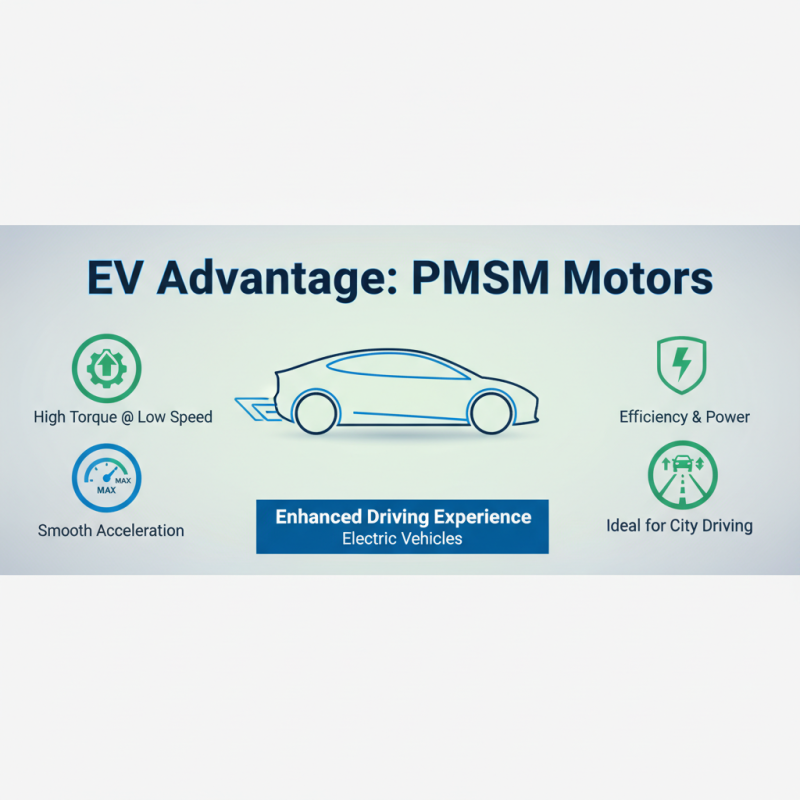
Permanent Magnet Synchronous Motors (PMSM) are increasingly favored for electric vehicles (EVs) due to their impressive efficiency and performance characteristics. One of the key advantages of PMSM motors is their ability to maintain high torque at low speeds, making them ideal for the stop-and-go nature of urban driving. This torque capability allows for smooth acceleration and improved responsiveness, which enhances the overall driving experience in electric vehicles.
In comparison to other motor types, such as induction motors, PMSM motors exhibit superior power density and efficiency. This means they can deliver more power while being lighter and more compact, which is critical for the design and performance of EVs. Additionally, PMSM motors operate with less heat generation, leading to reduced energy losses and improved overall efficiency. Their lower maintenance requirements also contribute to longer operational lifespans, making them a cost-effective choice for EV manufacturers and consumers alike.
How PMSM Motors Enhance Electric Vehicle Performance and Efficiency
Permanent Magnet Synchronous Motors (PMSM) are critical components in the evolution of electric vehicles (EVs), delivering significant enhancements in both performance and efficiency. The inherent design of PMSM allows for a higher power density compared to traditional motors, enabling electric vehicles to achieve greater torque and acceleration. This is primarily due to the use of permanent magnets that provide a strong magnetic field, resulting in improved responsiveness and smoother operation. As a result, EVs equipped with PMSM can accelerate rapidly and maintain high speeds more effectively, contributing to a more dynamic driving experience.
In addition to boosting performance, PMSM motors also enhance the overall efficiency of electric vehicles. The high torque output at low speeds leads to reduced energy consumption, maximizing the range of the vehicle on a single charge. These motors are also known for their ability to regenerate energy during braking, which further increases efficiency by converting kinetic energy back into electrical energy. Furthermore, the compact design of PMSM contributes to weight reduction, allowing for greater battery storage capacity and, consequently, longer driving ranges. By integrating PMSM into their systems, electric vehicles not only improve performance metrics but also offer consumers a more sustainable and cost-effective driving solution.
Future Trends in PMSM Technology for Electric Vehicles
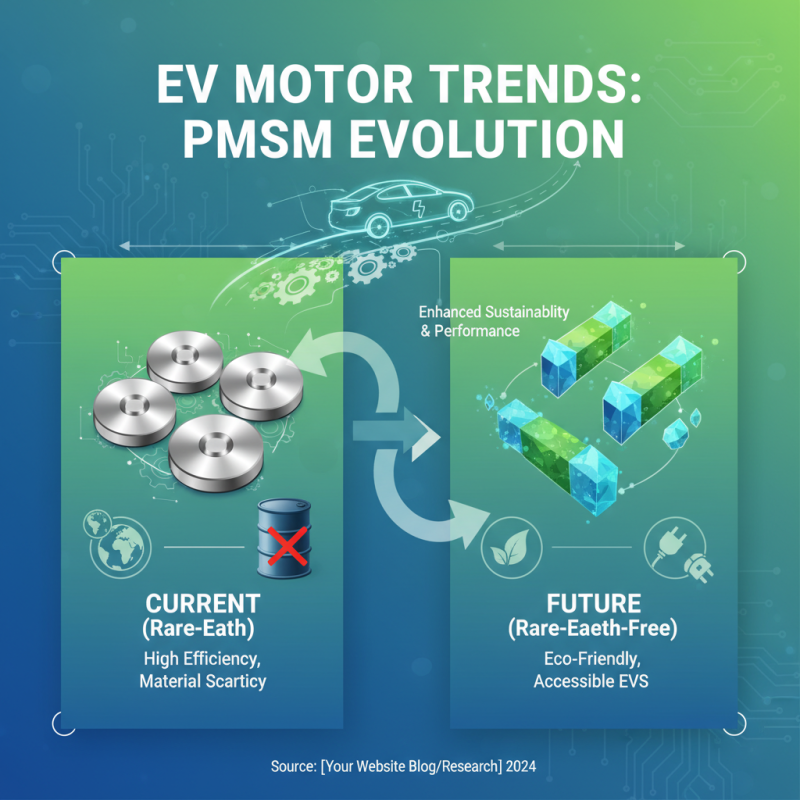
Permanent Magnet Synchronous Motors (PMSMs) are becoming increasingly vital in the electric vehicle (EV) sector due to their high efficiency and performance. As technology evolves, several trends are emerging that will further enhance PMSM applications in EVs. One notable trend is the advancement in magnet materials, where the shift towards rare-earth-free magnets is gaining traction. This shift not only reduces dependency on scarce materials but also improves environmental sustainability, making electric vehicles more accessible and eco-friendly.
Another significant trend is the integration of advanced control strategies that optimize motor performance. These strategies enhance torque delivery and overall efficiency during varied driving conditions. By utilizing artificial intelligence and machine learning, manufacturers can create adaptive systems that refine PMSM operations in real time. This development leads to improved vehicle range and performance, addressing consumer demand for more efficient and longer-lasting electric vehicles.
Tips: When considering the adoption of EV technology, pay attention to advancements in motor systems like PMSMs. Staying informed about developments in magnet technology and control systems can offer insights into the future of electric mobility. Additionally, keeping an eye on innovative companies focusing on sustainable materials and efficient designs can guide consumers toward making environmentally-conscious choices.