Selecting the right neodymium magnet motor is crucial for optimized performance in various applications. According to a market research report by Research and Markets, the global neodymium magnet market is expected to reach USD 28.2 billion by 2026, expanding at a CAGR of 6.2%. This highlights the increasing reliance on neodymium magnets in industries like automotive, aerospace, and renewable energy.
Neodymium magnet motors offer high efficiency and compact design. However, potential challenges arise when selecting one that meets specific needs. Issues such as thermal stability and magnetic degradation must be considered. Not every neodymium magnet motor suits every application, and miscalculating requirements can lead to inefficiencies.
Shopping with an eye on performance data and manufacturer reputation is critical. Reliable suppliers often provide detailed specifications and case studies. Users must evaluate motor efficiency ratings and thermal limits diligently. Remember, the ideal choice reflects both immediate needs and long-term operational goals. Neglecting such details can result in costly setbacks.

Neodymium magnet motors are popular in various industries due to their strong magnetic properties. These motors use neodymium, a rare earth element, to create powerful magnetic fields. This feature makes them ideal for applications like electric vehicles and robotics. Their compact size allows them to generate high torque, which is essential for many devices. However, not every neodymium magnet motor is suitable for every use.
When choosing a neodymium magnet motor, consider your specific requirements. The motor's size and weight must align with your project's design. Pay attention to the power rating. If it’s too low, the motor may not perform as needed. Conversely, a motor with excessive power could lead to inefficiencies. Additionally, understand the operational environment. These motors can be sensitive to temperature and humidity. That can affect their performance and longevity.
Some users may overlook the importance of proper installation and maintenance. A poorly installed motor can lead to significant issues. Regular checks can prevent unexpected failures. Remember that even small mistakes can have a large impact on performance. Taking the time to analyze your needs and the motor's capabilities can save time and resources in the long run. Making informed decisions is key to maximizing efficiency and reliability.
When selecting a neodymium magnet motor, it's essential to evaluate various factors that contribute to its performance, including motor size, magnet strength, efficiency, cost, and durability. The bar chart above illustrates the relative importance of these factors based on typical user considerations.
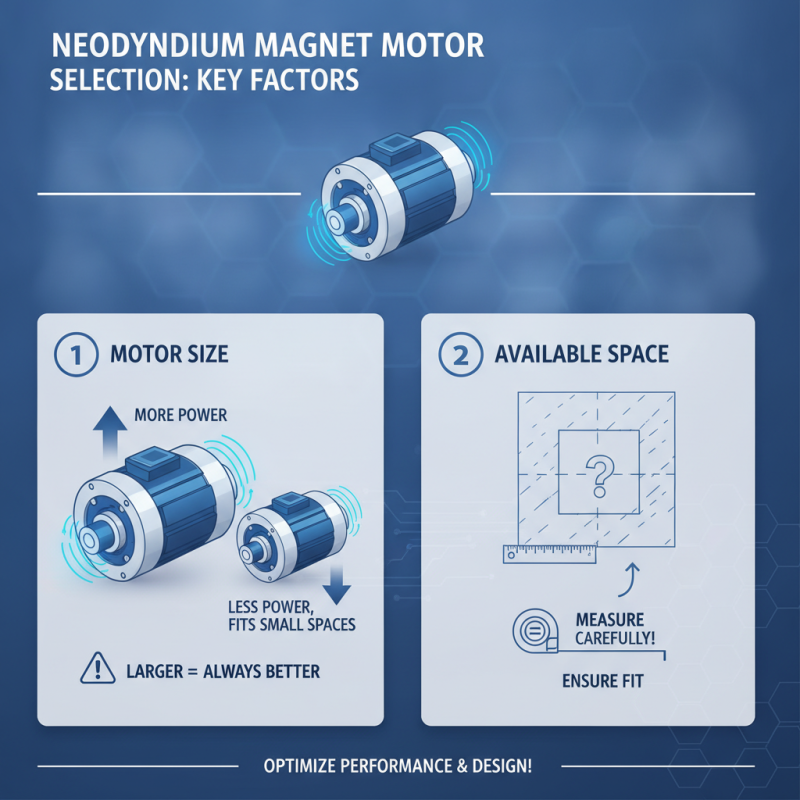
When selecting a neodymium magnet motor, consider several key factors. The size of the motor is crucial. A larger motor can provide more power but may not fit in compact spaces. Assess your available space before making a choice. It’s important to measure your intended location carefully.
Another critical factor is the motor's torque ratings. Different applications require varying levels of torque. For example, if your project involves heavy lifting, a motor with high torque is necessary. Additionally, consider the efficiency of the motor. A more efficient motor consumes less energy, saving costs in the long run.
Lastly, think about the heat tolerance of the motor. Neodymium magnets can lose strength under high temperatures. Ensure the motor can handle the temperatures expected in your application. This balance of power, efficiency, and durability plays a vital role in the performance of your project. Reflecting on these elements will guide you toward the right choice.
When selecting a neodymium magnet motor, evaluating its performance specifications is crucial. These motors are popular due to their high strength and efficiency. Start by analyzing the motor's power output. Higher power ratings typically translate to better performance. However, ensure that the power aligns with your specific application needs. This prevents underperformance and potential damage.
Consider the torque characteristics as well. Different motors provide varying torque profiles. You want a motor that can handle the load it will face. Additionally, assess the motor’s speed range. Motors with wide speed ranges offer versatility for various projects. But, excessive speed may lead to instability. Striking a balance is essential.
Don’t overlook efficiency ratings. More efficient motors save energy and reduce operational costs. Look for motors with ratings that meet or exceed industry standards. Always verify these specifications from trusted sources. This careful evaluation contributes to a reliable choice. When in doubt, consulting with knowledgeable experts can provide clarity. They can highlight nuances that may impact your selection. This ensures you choose wisely for your specific needs.
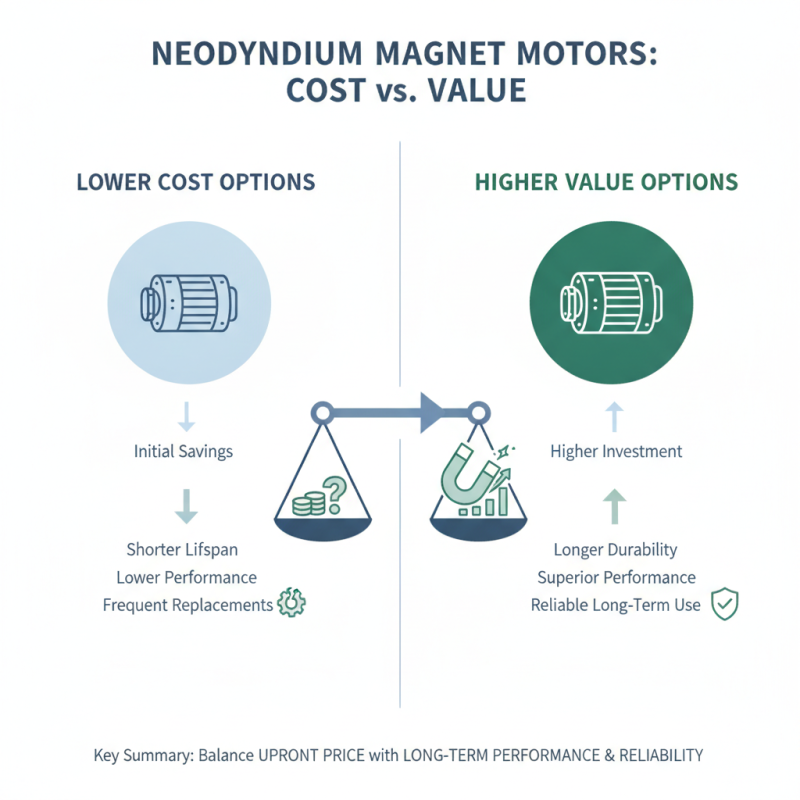
When comparing the cost and value of neodymium magnet motors, it's essential to understand what you're paying for. Prices can vary widely based on size, strength, and application. More powerful motors often come with a higher price tag. However, cheaper options may lack the durability or performance you need. Think about long-term use versus initial costs. A lower price might lead to replacements sooner.
Quality matters. Check the specifications listed by manufacturers. Not all magnets are created equal. Look for detailed information on energy efficiency and performance ratings. Sometimes a premium-priced motor will save you money in energy costs over time. Think about installation and maintenance as well. Sometimes, saving money upfront can lead to higher expenses later if additional work is required.
Consider the reputation of your suppliers as well. Their expertise can guide you in making informed choices. Yet, some sellers may not provide accurate information about performance capabilities. Don't hesitate to ask for testimonials from other users. There are always nuances in how each motor performs in real-world applications. Evaluating these factors can help you find a motor that fits both your budget and your needs effectively.
When selecting a neodymium magnet motor, compatibility is crucial. Assess the specifications of your existing systems and equipment. This includes voltage, current ratings, and physical dimensions. Neglecting these factors may lead to performance issues.
Consider the magnetic strength required for your application. Different jobs require different levels of force. Use the existing equipment's performance as a benchmark. If the new motor exceeds or falls short of this, you may face challenges.
Testing the components together can reveal issues before full integration. Sometimes, minor adjustments are necessary for a functional fit. Don't overlook the importance of thorough testing and analysis. Reflecting on past experiences can guide better choices, and it's okay to learn from missteps.