
Top 5 Tips for Choosing the Right Wall Outlet for Your Needs?

Choosing the right Wall Outlet can significantly impact your home's electrical efficiency and safety. A good wall outlet is crucial for powering your devices. With a variety of options available, it can be overwhelming to make the best choice.

Many factors should guide your decision, such as the type of devices you use and their power requirements. Think about how many outlets you need in each room. A single outlet may not be sufficient in busy areas like kitchens or home offices. Wrong choices can lead to overloaded circuits or inadequate power supply, causing frustrating situations.

Understanding the differences among wall outlet types is essential. Standard, GFCI, and USB-integrated outlets each serve distinct purposes. Not all homes have the same power needs, and some outlets may not fit your lifestyle. A well-informed choice can prevent future headaches and ensure reliable usage for years to come.
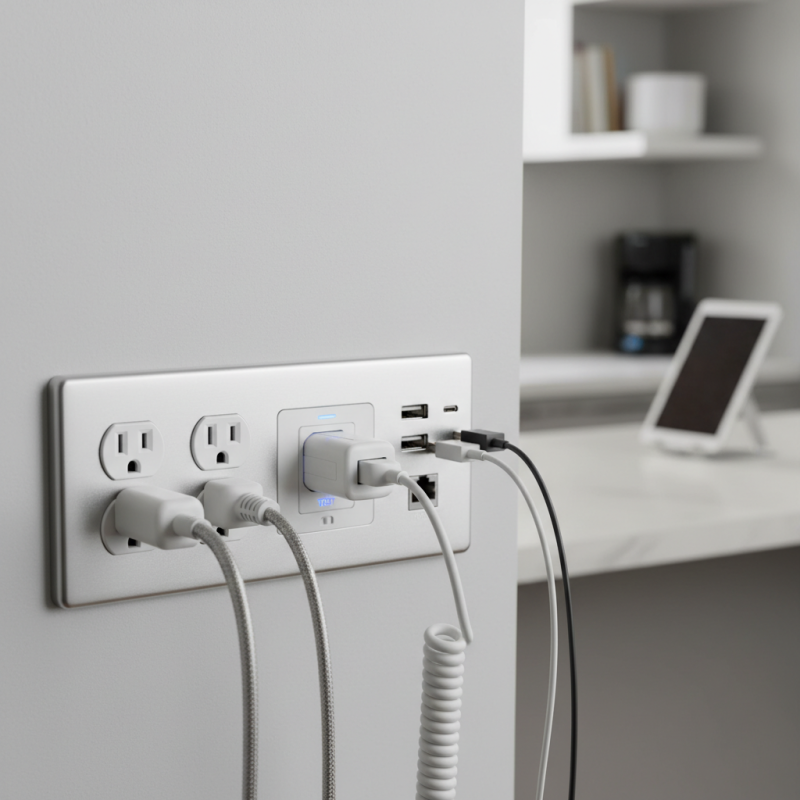
Top 5 Tips for Choosing the Right Wall Outlet for Your Needs?

Understanding the Different Types of Wall Outlets Available in the Market

Choosing the right wall outlet can significantly impact your daily routines. There are several types of wall outlets available, each designed for specific needs. According to recent industry reports, the rise in smart home technologies has increased the demand for USB wall outlets. These outlets allow users to charge devices without needing bulky adapters.

In addition to standard duplex outlets, GFCI (Ground Fault Circuit Interrupter) outlets are essential in wet areas, such as kitchens and bathrooms. They help prevent electrical shocks by interrupting the circuit when detecting a ground fault. The National Fire Protection Association (NFPA) suggests that GFCI outlets reduce the risk of electrical fires in these high-risk areas by up to 30%.

Another emerging option is the smart outlet, which offers remote control and monitoring features. A survey conducted by the Consumer Technology Association revealed that over 25% of homeowners plan to install smart outlets. However, potential buyers should consider compatibility and installation complexities. Smart outlets add convenience, but their installation can be more intricate than standard options. This factor often leads to hesitation among consumers. Understanding these options is crucial to making the best decision for your home needs.

Top 5 Wall Outlet Types and Their Usage

Evaluating Electrical Load Capacity: Key Metrics to Consider

When selecting a wall outlet, understanding the electrical load capacity is crucial. Many household appliances draw varying amounts of power. According to the U.S. Department of Energy, typical kitchen devices may require outlets rated for 20 amps. This ensures they operate efficiently without tripping circuit breakers. Evaluating your devices' wattage can help determine your needs.

Next, consider the amperage. A 15-amp outlet can handle appliances up to 1,800 watts, while a 20-amp outlet can handle up to 2,400 watts. This difference can be significant. If multiple devices are used simultaneously, the risk of overload increases. Overloading can lead to overheating and fire hazards.

It is essential to think about future expansion. You might buy more devices later. Conducting load calculations can prevent potential issues. The National Electrical Code recommends installing at least one outlet for every 12 feet of wall space in rooms. This guideline helps balance power distribution and minimizes the risk of overloading any given outlet. Investing time in understanding these metrics will pay off in safety and convenience.

Assessing Safety Features: GFCI and AFCI Outlets Explained

When selecting wall outlets, safety features are paramount. Two key types to consider are GFCI and AFCI outlets. GFCI stands for Ground Fault Circuit Interrupter. It protects against electrical shock by cutting off power when it detects an imbalance. These outlets are essential in areas like kitchens and bathrooms where water is present. They can prevent serious accidents and save lives.

AFCI, or Arc Fault Circuit Interrupter, serves a different purpose. It identifies arcing faults that can lead to electrical fires. This feature is crucial in living rooms and bedrooms where electrical devices are often used. Many people overlook the importance of these safety features. Without them, the risk of potential hazards increases greatly.

Understanding these outlet types helps ensure your home is safe. Choosing the right outlet for specific areas is not just about convenience. It’s about creating a safe living environment for everyone. Many homes still lack these protective outlets. Regular assessments and upgrades can make a significant difference in safety.

Choosing the Right Outlet for Specific Appliances and Devices

When selecting a wall outlet, consider your appliances. High-watt devices, like heaters or air conditioners, require specialized outlets. These outlets can handle the power demands, ensuring safety and efficiency.

Pay attention to the voltage requirements. Many household items use standard outlets, but some devices need higher voltage. Using the wrong outlet can cause damage or operational failure. It's essential to verify before installation.

Think about the type of plug your devices use. Not all plugs fit standard outlets. Some devices have unique shapes or sizes. Incompatibility can lead to frustration and accidents. Always check compatibility before making a purchase. A careful selection can prevent future hazards and ensure devices perform optimally.

Exploring Smart Outlet Options for Modern Home Automation Needs

In today's modern homes, smart outlets are transforming the way we interact with technology. These outlets offer convenience and efficiency, allowing you to control devices remotely via smartphone apps. Imagine being able to turn off your living room lights from the comfort of your bed. Smart outlets often include timers and energy monitoring features, making them an excellent choice for eco-conscious consumers.

When selecting smart outlets, consider compatibility with your existing home system. Not all smart outlets work with every platform. Look for clear specifications before making a decision. Some might even require complex configurations, which can be frustrating. It's essential to think about your actual needs versus what seems impressive on the surface.

Sometimes, people choose smart outlets without assessing their home automation goals. A flashy feature might distract from usability. Maintain a clear vision of what you want to achieve. Researching reliable sources can also help avoid unnecessary purchases. Reflect on how often you’ll use these features, and prioritize practicality over novelty.

Top 5 Tips for Choosing the Right Wall Outlet for Your Needs

Tip Number Tip Description Smart Outlet Features
1 Determine Your Power Needs Assess the devices you plan to use and their power requirements. Energy monitoring capability.
2 Consider Smart Features Look for features like remote control and scheduling. Wi-Fi connectivity and mobile app control.
3 Check Compatibility Ensure it works with your existing home automation system. Integration with platforms like Amazon Alexa or Google Home.
4 Look for Safety Features Check for surge protection and child safety locks. Built-in surge protection.
5 Read Reviews and Comparisons Research user experiences and expert reviews. High ratings for reliability and ease of use.

Article Source:

Scroll to Top