
China’s bellows valve sector has grown from basic process components into a competitive manufacturing field. Today, buyers compare suppliers by more than price. They examine leak performance, welding quality, material traceability, testing procedures, and long-term support. This guide introduces ten notable Chinese manufacturers of Bellows Valves and explains where each may fit.
A reliable comparison should begin with practical evidence. Look for manufacturers that publish helium leak-test results, pressure ratings, weld procedures, and inspection records. A polished website is not enough. Ask for sample documentation. Visit the factory when possible. The smallest details matter, such as a clean metal surface, consistent weld beads, and protected valve packaging.
Valve engineer Dr. David B. Chaffin offers a useful reminder: “A valve’s real quality is measured in service, not on the showroom floor.” That principle shapes this overview. The selected companies are considered through manufacturing capability, industry experience, product range, customization, certifications, and customer communication. Their strengths are not identical. One may serve semiconductor gas systems, while another focuses on petrochemical plants, vacuum equipment, or pharmaceutical processing.
This list is not absolute. Rankings can change.
Supplier claims also require verification. Some manufacturers provide limited public data, and that weakness deserves attention. Buyers should confirm current certifications, actual production capacity, and after-sales response before signing contracts. A careful review can reduce leakage risks, maintenance delays, and costly specification mistakes.
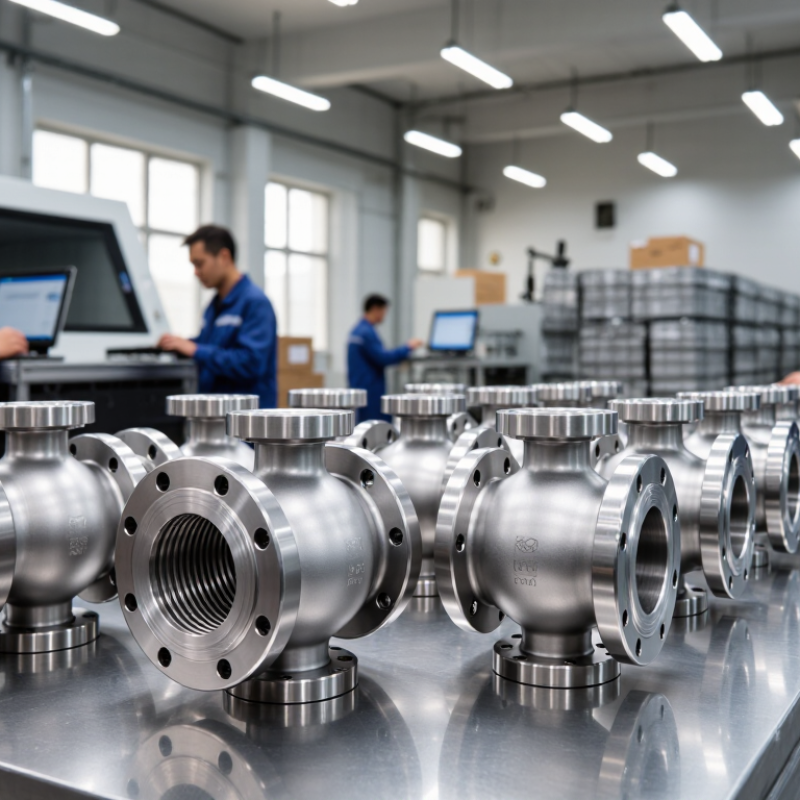
A bellows valve is a shutoff valve designed to prevent stem leakage. Unlike a packed valve, it uses a welded metal bellows as a flexible pressure barrier. The stem moves vertically when the handwheel turns. The bellows expands and contracts with that movement. No packing rubs against the stem. That detail matters.
The U.S. EPA’s Leak Detection and Repair guide identifies valves as a major source of equipment leaks. It commonly cites valves at about 60% of fugitive emissions from process equipment. This figure varies by plant and measurement method. Bellows sealing can reduce routine stem leakage around toxic, corrosive, or ultra-clean fluids. ISO 15848-1 provides testing principles for fugitive-emission performance. However, a bellows is not indestructible. Repeated cycling, vibration, and over-stroking can cause fatigue. The design is not magic.
Grand View Research reports that the global industrial valves market reached tens of billions of dollars in recent years. Its forecast also indicates continued growth through 2030. This expanding market increases interest in Chinese manufacturing capacity. When comparing Chinese manufacturers, begin with service conditions, not rankings. Check pressure class, temperature, cycle count, bellows material, weld quality, and helium-leak test results. Ask for traceable inspection records. Cost alone is a weak signal. That assumption needs checking.
Choosing China’s top ten bellows valve manufacturers requires more than comparing catalog prices. A serious evaluation begins with application experience. Ask whether the manufacturer understands vacuum service, corrosive media, high temperature, and repeated thermal cycling. Request material certificates for the bellows, body, stem, and sealing components. Check whether each certificate matches the delivered batch.
Factory evidence matters. Review welding procedures, operator qualifications, cleaning controls, and pressure-test records. A reliable manufacturer should provide helium leak results when ultra-low leakage is required. Inspect calibration labels on test equipment. Expired instruments weaken otherwise impressive claims. Small details matter.
Production traceability is equally important. Each valve should connect to a drawing, revision, heat number, inspection report, and final test record. Ask about corrective actions from previous failures. Vague answers deserve caution. A polished brochure can still hide weak process control. I would also compare sample valves with approved drawings, because dimensions sometimes drift during custom production.
Communication reveals technical maturity. Engineers should explain allowable pressure, cycle life, welding limits, and maintenance needs clearly. They should not promise unlimited service life. No supplier is perfect. Even strong manufacturers may struggle with unusual alloys or urgent design changes. A factory visit, witnessed test, and independent inspection can expose these weaknesses before installation. Price remains relevant, but it should follow verified quality, documented experience, and dependable after-sales support.
China’s Top 10 Bellows Valve Manufacturers and Their Strengths
China’s leading ten bellows valve manufacturers serve semiconductor, chemical, pharmaceutical, vacuum, and energy projects. Their main strengths include welded-bellows design, stainless-steel machining, leak prevention, and flexible customization. Several suppliers also produce valves for cryogenic service, high-vacuum systems, and corrosive media.
According to Grand View Research, the global industrial valves market was valued at more than USD 78 billion in 2023. Its forecast indicates steady growth through 2030, supported by process automation and stricter emission controls. This trend benefits Chinese manufacturers with large machining capacity and integrated testing facilities. Many leading producers now use helium mass-spectrometer testing, CNC finishing, and documented pressure testing. These details matter when a valve must operate continuously beside a hot reactor or clean-room pipeline.
Their differences are practical. Some focus on compact welded bellows for semiconductor equipment. Others emphasize high-pressure valves for petrochemical plants or low-temperature service. Export-oriented manufacturers often provide API, ASME, ISO, or PED-related documentation. Yet certification claims require careful verification. Product quality can vary between batches, and published rankings rarely use identical evaluation standards. That weakness deserves attention. Buyers should compare cycle-life data, weld inspection records, material certificates, and after-sales response times before selecting among the top ten. A polished catalogue is not enough.
Bellows-sealed valves are commonly selected for applications requiring strong external leakage control, clean service, vacuum compatibility, and reduced stem maintenance. The chart presents a qualitative engineering relevance index from 1 to 5, not a company ranking or market-share comparison.
China’s leading bellows valve manufacturers serve industries where leakage control matters. Their products are common in semiconductor plants, pharmaceutical facilities, and specialty gas systems. In cleanrooms, welded bellows help protect gases from particles and atmospheric moisture. A small seal failure can damage an entire production batch.
Chemical processing plants also use these valves for corrosive, toxic, or high-purity media. Engineers often install them on transfer lines, sampling points, and vacuum equipment. The valve body may use stainless steel or other corrosion-resistant alloys. Material selection depends on temperature, pressure, and chemical compatibility. It is not always obvious.
Energy and industrial gas facilities use bellows valves around hydrogen, nitrogen, oxygen, and vacuum systems. Their sealed construction reduces fugitive emissions and limits maintenance near hazardous process lines. In aerospace testing, the valves support controlled gas delivery during pressure and thermal trials. Food and beverage plants may use them where hygienic design and clean operation are important.
Field experience shows that installation quality matters as much as the valve itself. Poor alignment can stress the bellows. Repeated vibration may shorten service life. Some buyers focus only on price, which is a mistake. A reliable specification should include cycle count, leak testing, surface finish, connection type, and cleaning requirements. Performance can still vary between suppliers, so factory records and application testing deserve careful review.
| No. | Anonymized Manufacturer Profile | Typical Manufacturing Focus | Common Bellows Valve Types | Primary Industries Served | Typical Applications | Common Materials | Relevant Standards or Requirements |
|---|---|---|---|---|---|---|---|
| 1 | Manufacturer Profile 01 | Industrial forged-valve production |
|
| Steam, hot oil, toxic media, flammable fluids, and high-cycle process isolation | Carbon steel, stainless steel, alloy steel, and nickel-based alloys | API 602, ASME B16.34, ASME B16.5, MSS SP-117, and applicable pressure-testing requirements |
| 2 | Manufacturer Profile 02 | Chemical-process valve systems |
|
| Corrosive, hazardous, volatile, or odor-sensitive process fluids where stem-emission control is important | 316L stainless steel, duplex stainless steel, alloy 20, Hastelloy-type alloys, and PTFE components | ASME B16.34, EN 12266, ISO 15848, and project-specific fugitive-emission requirements |
| 3 | Manufacturer Profile 03 | Ultra-clean and high-purity valve production |
|
| Ultra-high-purity gas distribution, vacuum transfer, corrosive gas handling, and cleanroom process equipment | Electropolished 316L stainless steel, nickel alloys, PCTFE, PTFE, and high-purity elastomers | SEMI-related project specifications, surface-finish controls, helium leak testing, orbital-welding procedures, and clean packaging |
| 4 | Manufacturer Profile 04 | Cryogenic and low-temperature valve engineering |
|
| Liquid nitrogen, oxygen, argon, LNG, liquid hydrogen, and other low-temperature fluids | 304L or 316L stainless steel, nickel alloys, and low-temperature-rated sealing materials | ISO 28921, EN 1626, ASME B16.34, cryogenic material-impact requirements, and helium leak testing |
| 5 | Manufacturer Profile 05 | Power-generation and boiler-system valves |
|
| Boiler feedwater, steam lines, blowdown systems, drains, vents, and high-temperature utility services | Carbon steel, chrome-molybdenum steel, stainless steel, and hardfaced trim materials | ASME B16.34, API 602, ASME B16.10, pressure-temperature ratings, and power-plant welding requirements |
| 6 | Manufacturer Profile 06 | Vacuum and leak-sensitive valve assemblies |
|
| High-vacuum isolation, deposition chambers, analytical instruments, and contamination-sensitive equipment | 304L or 316L stainless steel, aluminum, nickel alloys, copper gaskets, and low-outgassing materials | ISO 1609 flange dimensions where applicable, helium leak-rate testing, low-outgassing practices, and vacuum cleanliness controls |
| 7 | Manufacturer Profile 07 | Pharmaceutical and bioprocess valve systems |
|
| Clean steam, purified water, process gas, sterile transfer, and contamination-controlled process lines | 316L stainless steel, electropolished surfaces, EPDM, PTFE, and other application-approved elastomers | ASME BPE, hygienic surface-finish specifications, drainability requirements, orbital welding, and validated cleaning procedures |
| 8 | Manufacturer Profile 08 | Oil, gas, and emission-control valve production |
|
| Hydrocarbon isolation, flare systems, vapor recovery, sulfur service, and fugitive-emission reduction | Carbon steel, stainless steel, low-alloy steel, duplex steel, and sour-service-compatible materials | API 6D where applicable, API 602, ISO 15848, NACE MR0175/ISO 15156 for sour service, and API 624 testing where specified |
| 9 | Manufacturer Profile 09 | Food, beverage, and hygienic utility valves |
|
| Clean steam, hot water, carbon dioxide, nitrogen, product-contact utilities, and hygienic process services | 316L stainless steel, food-contact-approved elastomers, PTFE, and electropolished wetted surfaces | 3-A Sanitary Standards where applicable, EHEDG design principles, hygienic surface-finish requirements, and cleanability testing |
| 10 | Manufacturer Profile 10 | Custom-engineered valves for infrastructure projects |
|
| Steam distribution, hot-water networks, utility gas, hydrogen-related systems, and hazardous-fluid isolation | Carbon steel, stainless steel, duplex steel, nickel alloys, and project-approved gasket materials | ASME B16.34, EN 12516, ISO 15848, pressure testing to EN 12266 or API 598 where specified, and project engineering standards |
Choosing a Chinese bellows valve supplier requires more than comparing quoted prices. The valve must match pressure, temperature, media, and installation conditions. Ask for material certificates covering the bellows, body, stem, and sealing surfaces. Stainless steel grades can look similar, yet perform differently in corrosive service. Confirm whether the supplier manufactures critical parts or outsources them. This detail affects traceability and response time.
Request drawings before production begins. Check face-to-face dimensions, connection standards, actuator space, and maintenance access. A reliable supplier should explain its welding procedure and inspection controls clearly. Ask for helium leak testing records, pressure test results, and documented acceptance criteria. Factory experience matters here. Look for technicians who can describe weld penetration, cycle testing, and failure analysis without reading a script.
Visit the facility when possible. Observe machining areas, clean assembly zones, calibration labels, and storage conditions. Speaking with quality personnel can reveal more than a polished presentation. Check whether batch numbers follow each valve from raw material to final inspection. Delivery history also deserves scrutiny; repeated delays may indicate weak planning, not unusual market pressure. No audit is perfect. I once treated a complete document package as proof of quality, then noticed inconsistent test dates. Build a sample-testing plan and keep technical communication in writing. A practical supplier should welcome reasonable questions, admit limitations, and correct unclear specifications before production.