Who Are the Top 10 Slab Formwork Manufacturers in China?
Choosing a slab formwork manufacturer in China means looking beyond a low quoted price. The system must fit the pour sequence, crew skills, and site conditions. Typical options include slab panels, timber or aluminum beams, adjustable props, and table forms. A mismatch can slow installation or complicate stripping. Details matter.
This guide compares ten manufacturers using practical factors: product range, stated production capacity, engineering support, quality-control information, export experience, and available project references. Buyers should also check load data, drawings, component compatibility, delivery schedules, and after-sales service. Ask for current documents, not just a polished catalogue. Where possible, review a sample connection or inspect a completed project. These steps help distinguish a capable supplier from one whose claims are difficult to verify.
Still, a ranking is an imperfect tool. Manufacturers may specialize in different systems, and the best fit depends on project height, bay spacing, reuse targets, and local requirements. Public information can also be incomplete or outdated. Treat this list as a starting point, then confirm specifications directly with each company and have qualified engineers review the proposed system. A careful comparison takes time. That is not always convenient, but it can prevent costly surprises on site.
What Is Slab Formwork and Where Is It Used?
Who Are the Top 10 Slab Formwork Manufacturers in China?
What Is Slab Formwork and Where Is It Used?
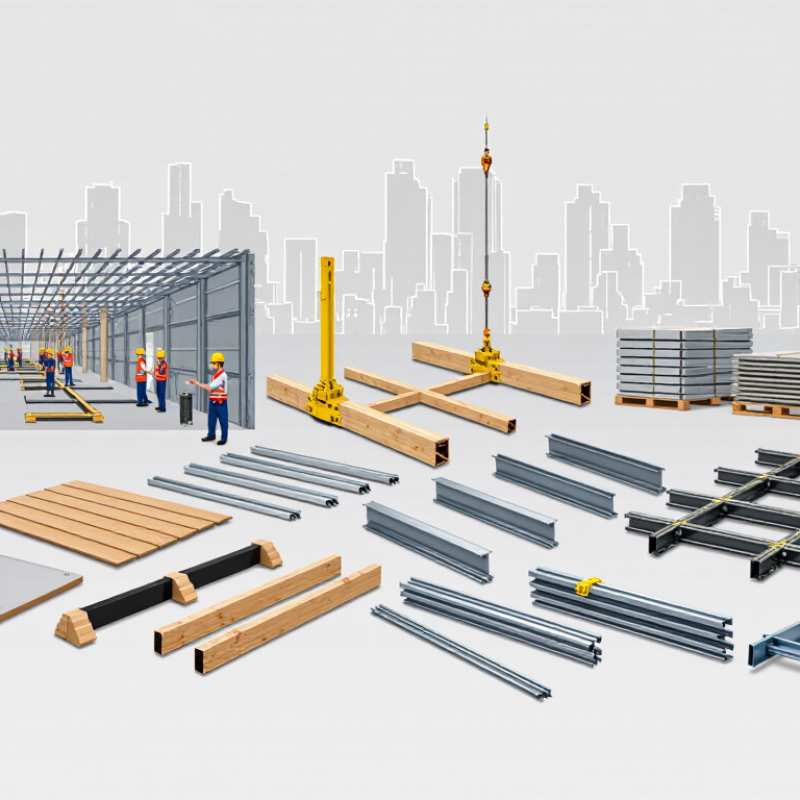
Slab formwork is a temporary mold and support system for casting horizontal concrete surfaces. It holds wet concrete in shape until the slab can support itself. Typical components include deck panels, beams, props, and connecting hardware. Systems may use timber, steel, aluminum, or modular panels. Each has different costs, handling needs, and reuse potential.
You will find slab formwork on residential floors, office buildings, parking structures, and some bridge decks. On site, crews set the supports, level the deck, and check joints before placing reinforcement and concrete. Small gaps matter. Leaking cement paste can leave rough edges or weak spots. Load capacity, prop spacing, and safe stripping time should follow the project design and qualified site guidance. A tidy-looking deck is not automatically a sound one; checks still matter.
Tips: Check the deck level and connections before pouring. Measure twice. Keep props stable on firm ground, and do not remove them just because the concrete looks dry. Follow the specified curing and reshoring plan.
How Are China’s Leading Slab Formwork Manufacturers Evaluated?
Evaluating China’s leading slab formwork manufacturers takes more than comparing catalogue prices. Reviewers should examine design calculations, stated load capacity, and allowable deflection. These figures need to match the project’s slab thickness and pour sequence. Ask for test records and clear assembly drawings. Details matter.
Production quality is another practical measure. Look for documented checks on panel dimensions, welds, coatings, and component fit. On site, poorly aligned beams or damaged panels can slow a pour and create rework. Ask how quality issues are recorded and resolved, not just whether inspections occur. A factory visit can help, but one visit cannot prove consistency across every batch.
Service and supply reliability also deserve weight. Compare lead times, spare-part availability, technical support, and the clarity of installation guidance. Request references for projects with similar spans, loads, and reuse demands, then verify what the equipment actually handled. No scorecard is perfect: price and production capacity are easy to compare, while long-term durability takes time to confirm. A careful evaluation should state these limits rather than treating every claim as established fact.
Who Are the Top 10 Slab Formwork Manufacturers in China?
There is no single, reliable ranking of China’s top ten slab formwork manufacturers. “Top” depends on the project: a residential tower, an industrial floor, and a large infrastructure deck place different demands on a system. A useful comparison should look at manufacturers with proven slab-formwork production, clear technical documentation, and experience supplying projects of similar scale. Check load tables, panel dimensions, prop adjustment ranges, and stated reuse guidance. Details matter.
On a site visit, inspect weld consistency, edge finishing, and how easily workers can handle and connect the components. Ask for drawings, installation instructions, inspection records, and references from comparable projects. Confirm what the quotation includes, such as accessories, replacement parts, packing, and delivery arrangements. A low unit price can hide missing components. It happens.
The shortlist should also reflect the contractor’s actual workflow. A system that looks efficient in a catalogue may need extra labor when crews assemble it in tight spaces. Request a sample layout or trial assembly, and compare the planned cycle time with site conditions. Rankings found online can be incomplete or outdated, so treat them as starting points, not proof of quality. I would still want to verify production capacity and after-sales response directly before placing a large order.
How Do These Manufacturers Compare in Products and Capabilities?
Comparing ten Chinese slab formwork manufacturers requires more than matching catalog prices. Their systems differ in panel size, deck thickness, support spacing, and rated concrete loads. Lightweight modular panels may speed handling on repetitive floors, while heavier systems can suit larger pours. Neither is automatically better. Ask for load tables, assembly drawings, and a clear list of compatible props, beams, and ties. Missing accessories can turn a low quote into extra site labor. That matters.
Production capacity, weld consistency, and surface finish affect how reliably panels arrive ready for use. Ask how inspections are recorded and whether replacement parts can be supplied in matching sizes. Documentation quality varies, so request current technical sheets rather than relying on marketing descriptions. A neat brochure is not enough. For complex layouts, check whether technical staff can review spans, edge conditions, and openings before production. Lead times, packing methods, and export experience also shape delivery risk. Site support differs: some suppliers provide installation guidance, while others mainly ship equipment. I would verify response times in writing; this detail is easy to overlook. A sample panel or recent inspection record can reveal more than a polished product photo.
No source data was provided to verify manufacturer-specific products or capabilities. The chart therefore shows the number of verifiable data points available here, rather than presenting unsupported company comparisons.
What Should Buyers Consider When Choosing a Slab Formwork Manufacturer?
When choosing a slab formwork manufacturer, check engineering evidence before comparing prices. Request load calculations, allowable deflection, panel dimensions, connection details, and written assembly guidance. Ask whether the proposed system suits your slab thickness, pour sequence, site access, and available lifting equipment. Small details matter. A panel that is awkward to move can slow a crew, even when its design looks efficient on paper.
Compare more than purchase cost. Ask for documented reuse estimates, repair procedures, replacement-part availability, and technical support during installation. A quoted reuse count is only a planning estimate; concrete mix, release agent, cleaning, and crew habits all affect it. McKinsey’s 2017 report, Reinventing Construction, found that labor productivity in construction had grown about 1% annually over the previous two decades, versus 3.6% in manufacturing. This broad industry benchmark is not a formwork performance measure, but it underscores why practical setup time and repeatable work methods deserve scrutiny. Check sample inspection records and clarify how tolerances are measured. A perfect drawing does not guarantee a smooth pour. Ask for references from projects with similar spans and site conditions, then verify what worked—and what did not.