China Top LCD Display Suppliers for Global Buyers?
The global demand for LCD Displays has surged in recent years. This trend has pushed manufacturers to innovate and improve their product offerings. Consumers now expect high-quality displays with vibrant colors and energy efficiency. As a result, China has emerged as a leading supplier in the LCD display market.
Chinese manufacturers are known for their cutting-edge technology and competitive pricing. They have built a reputation for reliability and excellence. However, this does not come without challenges. Some suppliers struggle with quality control. Others face increased competition, both locally and internationally. Buyers must carefully assess their options to find the right partner.
This overview highlights key players in the Chinese LCD display industry. Understanding their strengths and weaknesses is crucial for global buyers. By evaluating these suppliers, companies can make informed decisions. Finding the right LCD display supplier is essential for success in today’s fast-paced market.
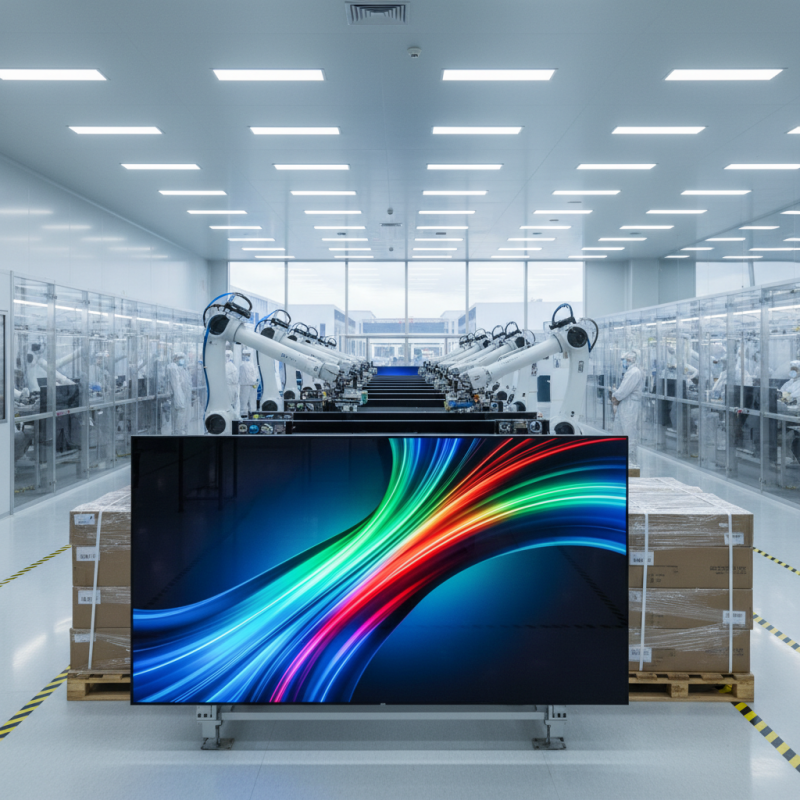
Overview of the Global LCD Display Market and China's Role
The global LCD display market continues to evolve, with China playing a pivotal role. As of 2022, China's share of the global LCD market was approximately 42%. This dominance reflects a combination of advanced manufacturing capabilities and vast production capacity. The country produces a significant volume of display panels for various applications, from consumer electronics to industrial uses.
While China's position is strong, challenges persist. The global demand for LCDs fluctuates, influenced by technological advancements and consumer preferences. For instance, the rise of OLED technology has prompted some manufacturers to reassess their LCD production strategies. In 2023, predictions indicate a 5% decline in global LCD panel shipments compared to 2022. This indicates a potential shift in market dynamics.
Moreover, environmental pressures are becoming increasingly relevant. Manufacturers must adapt to stricter regulations regarding waste management and sustainable practices. With a commitment to innovation, Chinese suppliers are exploring eco-friendly alternatives in the production process. However, balancing cost-effectiveness and sustainability remains a complex challenge.
Key Players in China's LCD Display Manufacturing Industry
The LCD display manufacturing sector in China is a colossal force, significantly impacting the global market. As of 2022, China's market share in the global LCD display sector reached an impressive 55%, according to industry reports. This dominance arises from a combination of advanced technology and extensive production capacity. Many companies in this sector benefit from advanced research and development facilities that drive innovation.
Key players in this industry are continuously expanding their production lines. Reports suggest that investments in LCD technology upgrades have increased by over 30% year-on-year. However, the industry faces challenges. Supply chain disruptions and fluctuating raw material prices can hinder growth. Companies must adapt quickly to these changes to maintain competitive advantages. The reliance on critical components from external suppliers raises concerns about sustainability and long-term viability.
Moreover, environmental regulations are tightening. Companies must balance production efficiency with eco-friendly practices. This need for sustainable operations adds complexity to manufacturing. The pressure to adhere to green standards may slow down some processes. The commitment to innovation is crucial, but companies must also reflect on their impact on the environment. Balancing growth with responsibility remains a fundamental issue for China's LCD display suppliers.
Global Market Share of Top LCD Display Suppliers
This bar chart represents the estimated market share distribution among the leading LCD display suppliers in China, highlighting their influence in the global market. The data showcases significant players in this industry without disclosing specific company names.
Technological Innovations by Leading Chinese LCD Suppliers
Chinese LCD display suppliers are making significant strides in technological innovations. These advancements focus on enhancing display quality and energy efficiency. Many manufacturers are investing heavily in R&D to create ultra-thin panels and improve color accuracy. This emphasis on quality makes their products increasingly attractive to global buyers.
Another notable trend is the integration of smart technologies. Suppliers are developing displays that incorporate AI features. These smart displays can adapt to user preferences and environmental conditions. Moreover, advancements in manufacturing processes are reducing costs. However, there are challenges. Some suppliers struggle with supply chain issues, impacting product availability. Innovative solutions are essential for overcoming these obstacles and retaining competitive advantages.
Sustainability is also a key focus. Many Chinese suppliers are exploring eco-friendly materials and manufacturing practices. This shift reflects a growing awareness of environmental impacts. Although there is progress, challenges remain in achieving widespread adoption. The journey towards sustainable practices requires constant reflection and adaptation.
Supply Chain Dynamics in China's LCD Display Sector
The dynamics of China's LCD display sector significantly shape global supply chains. In 2022, China's market accounted for over 40% of the world's LCD production. This figure illustrates its dominance in the sector, driven by technological advancements and capacity expansion. However, challenges remain. Recent supply chain disruptions due to geopolitical tensions have affected production timelines and costs.
Additionally, a report from the Display Supply Chain Consultants indicates that the LCD market is projected to grow at a compound annual growth rate (CAGR) of 3% from 2023 to 2028. This growth is linked to rising demand in consumer electronics and automotive displays. Yet, companies face issues with sourcing raw materials and workforce availability. Labor shortages have compounded challenges, raising concerns about maintaining operational efficiency.
Despite these hurdles, China's ability to innovate and improve production methodologies remains strong. Investments in automation and efficient logistics systems are crucial. However, the current reliance on specific regions for components highlights vulnerabilities. Transportation delays and fluctuating tariffs may further impact the market, emphasizing the need for resilient supply chain strategies.
Future Trends and Opportunities for Global Buyers in China
The landscape of LCD display manufacturing in China is evolving rapidly. Global buyers are increasingly focused on innovation and sustainability. There's a growing emphasis on energy-efficient displays. This shift opens avenues for collaboration between suppliers and international companies. Observing these trends can help buyers make informed decisions.
Tips: Research suppliers who prioritize sustainable production methods. Sustainability is no longer a trend but a necessity in the global market.
As competition heats up, it's essential for buyers to understand
local market dynamics. Supplier partnerships can yield better pricing and faster delivery. However, buyers must navigate language barriers and cultural differences. This can be challenging yet rewarding.
Tips: Establish clear communication channels with potential suppliers. Transparency can lead to smoother transactions and long-term relationships.
Looking forward, advancements in technology will drive the demand for
high-quality displays. Emerging sectors like virtual reality and smart home products are expanding. Buyers should keep an eye on these developments. They may need to adapt quickly.
Tips: Stay updated on industry news. Following market trends can help you stay ahead of the competition.