
Top Mud Pump Piston Rod Manufacturers and Suppliers?

Choosing reliable Mud Pump Piston Rod manufacturers and suppliers requires more than comparing prices or browsing polished websites. These components operate inside demanding drilling systems, where reciprocating loads, abrasive fluids, and pressure changes test every surface. A weak rod can cause premature wear, unexpected maintenance, and costly downtime.

This guide examines suppliers through practical and technical criteria. We consider material quality, forging methods, heat treatment, dimensional accuracy, surface finishing, and compatibility with common mud pump models. Experienced manufacturers should explain their steel grades, hardness range, coating options, and inspection procedures clearly. They should also provide drawings, test reports, traceability records, and dependable replacement support.

Details matter.

A trustworthy supplier understands how piston rods perform in real operating conditions, not only in a catalog. Look for evidence from drilling contractors, repair workshops, and equipment distributors. Clear communication about lead times and tolerances also reveals manufacturing discipline. However, no ranking is perfect. A supplier may excel at custom production but struggle with urgent deliveries. Another may offer fast shipping while providing limited engineering guidance. This comparison therefore focuses on verifiable capabilities rather than exaggerated claims. Buyers should still confirm pump specifications, operating pressure, connection dimensions, and service conditions before ordering. The most suitable partner combines consistent quality, technical knowledge, responsive support, and transparent documentation. That balance protects equipment performance and supports safer, more predictable maintenance planning.
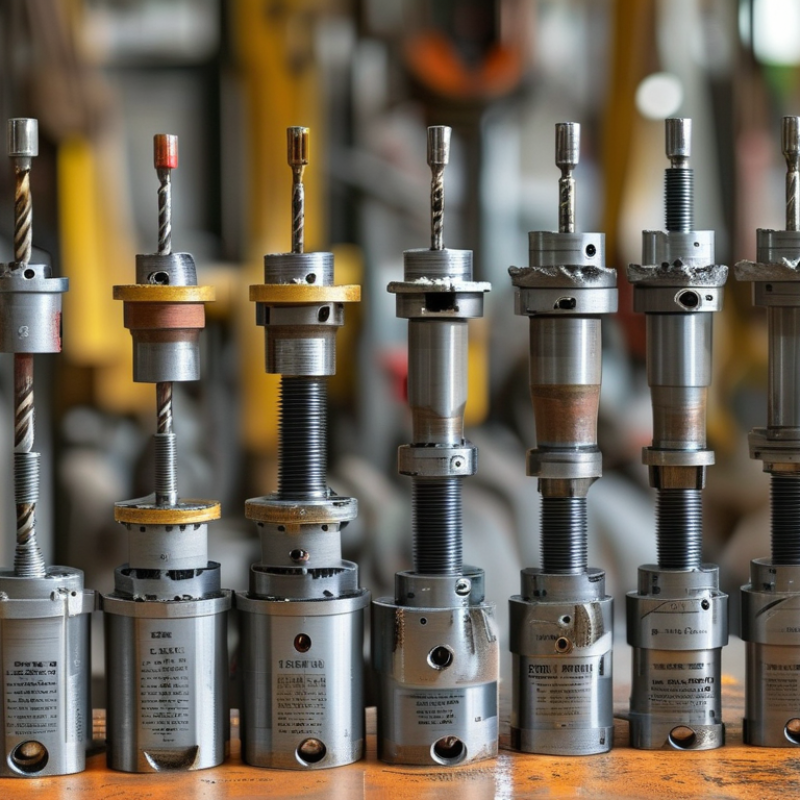
Top Mud Pump Piston Rod Manufacturers and Suppliers?

Mud Pump Piston Rods: Design, Materials, and Core Functions

Mud pump piston rods convert the crankshaft’s rotation into the piston’s repeated pressure stroke. Their surfaces also support dynamic seals inside the fluid end. Small defects can become expensive leaks, vibration, or unplanned downtime. They are not simple steel bars.

Common designs use forged alloy steel, often comparable to 4140 or 4340 grades. Heat treatment improves tensile strength and fatigue resistance. Chromium plating, thermal spray coatings, or nitriding can reduce wear from abrasive drilling fluids. However, coating choice must match seal material, temperature, and fluid chemistry. Harder is not always better. A brittle surface can fail suddenly.

The U.S. Energy Information Administration reported global liquid-fuels consumption near 103.8 million barrels per day in 2023. That operating scale keeps pressure on drilling equipment reliability. API Specification 7K provides widely used requirements for drilling and well-servicing equipment, including inspection and design considerations. Buyers should request material certificates, hardness records, dimensional reports, and full traceability from piston rod manufacturers and suppliers. Check the polished diameter carefully. Micron-level damage matters. Field experience also shows that poor alignment, contaminated oil, and improper torque can destroy a well-made rod. Supplier evaluations should therefore include machining control, non-destructive testing, replacement support, and documented quality systems. Reports help, but workshop evidence matters more.

Mud Pump Piston Rod Materials: Representative Tensile Strength

Mud pump piston rods commonly use alloy steels or stainless steels selected for high tensile strength, fatigue resistance, corrosion resistance, and compatibility with hard chrome or other wear-resistant surface treatments. The values shown are representative ultimate tensile strength levels for common material conditions; actual performance varies with heat treatment, grade, and manufacturing specifications.

Key Standards for Evaluating Piston Rod Manufacturers

Key Standards for Evaluating Piston Rod Manufacturers

A reliable mud pump piston rod supplier should prove more than machining capacity. Ask for material certificates, heat-treatment records, and complete batch traceability. ISO’s 2022 Survey reported 1,265,216 ISO 9001 certificates worldwide, but certification alone proves little about rod performance. The supplier should also demonstrate inspection procedures aligned with API Spec 7K and documented acceptance criteria. Critical dimensions include rod diameter, surface roughness, straightness, thread accuracy, and transition radius. Small defects can become visible leakage or rapid packing wear.

Material selection deserves closer attention. Tensile tests should follow ASTM E8, while hardness checks should use ASTM E18. Magnetic-particle or penetrant inspection can reveal cracks near threads and machined shoulders. For sour or corrosive service, NACE MR0175/ISO 15156 compatibility should be reviewed carefully. Request actual inspection reports, not only a compliance statement. Good suppliers explain coating thickness, bonding strength, and repair limits in measurable terms.

Field experience still matters. A manufacturer should provide failure analysis, replacement intervals, and photographs from comparable pump conditions. I would question any supplier promising universal service life. Mud temperature, abrasive solids, pressure cycles, and poor alignment change the result. One overlooked detail can invalidate an otherwise impressive test report. Also, verify whether quality checks occur during production, rather than only before shipment.

Leading Global Manufacturers and Specialized Suppliers

Top Mud Pump Piston Rod Manufacturers and Suppliers?

Leading Global Manufacturers and Specialized Suppliers

Leading global manufacturers typically combine broad production capacity with documented engineering control. They often supply piston rods for demanding drilling environments, where pressure, abrasion, and repeated impact are constant concerns. Experienced teams select alloy steel, stainless steel, or coated surfaces according to fluid conditions and operating loads. Material choice matters more than appearance.

A reliable supplier should provide clear dimensional drawings, heat-treatment records, and inspection results. Useful checks include hardness testing, surface roughness measurement, straightness verification, and non-destructive inspection. Thread accuracy also deserves attention. A small defect can cause vibration, leakage, or early rod failure.

Specialized Suppliers

Specialized suppliers may offer stronger customization and faster technical communication. They can review pump models, stroke length, seal arrangements, and installation limits before production. This practical exchange often prevents costly mismatches. However, smaller capacity may affect delivery during urgent projects. That trade-off deserves honest review.

Supplier Evaluation

Look for manufacturers with traceable batches, stable quality systems, and documented corrective actions. Ask how they handle rejected parts and changing specifications. Factory experience is valuable, but evidence is stronger. Samples can reveal machining quality, coating consistency, and packaging discipline. Even good suppliers may miss a detail, so buyers should verify critical dimensions independently. Reliability grows through records, testing, and careful communication.

Production Processes and Quality Control Practices

Producing a reliable mud pump piston rod begins with controlled material selection. Experienced manufacturers usually choose certified alloy steel with consistent chemical composition. Each batch receives an identification number before machining starts. This small step supports traceability. Forging or bar preparation removes internal weaknesses, while CNC turning controls diameter and concentricity. Critical shoulders need smooth transitions. Sharp corners can create stress concentrations.

Heat treatment follows a documented temperature cycle. Technicians record heating time, cooling speed, and final hardness. After machining, the rod may receive chrome plating or another wear-resistant surface treatment. Coating thickness must remain uniform around the sealing area. Surface roughness is measured with calibrated instruments, not visual judgment. It matters greatly. Poor finish can damage packing and increase fluid leakage.

Quality control should continue beyond final inspection. Inspectors check straightness, thread accuracy, dimensional tolerances, hardness, and coating adhesion. Ultrasonic testing can reveal hidden flaws inside the steel. Coordinate measuring equipment verifies critical features against approved drawings. Reliable suppliers also protect every rod with suitable packaging, preventing impact marks during transport. Records should identify operators, machines, inspection tools, and results. However, no process is flawless. A clean inspection sheet may still miss a handling error or unusual service condition. Manufacturers should review returned parts, compare wear patterns, and adjust processes when evidence demands it. That habit shows practical experience, not merely procedural compliance.

How to Select the Right Piston Rod Supplier for Your Needs

Top Mud Pump Piston Rod Manufacturers and Suppliers

How to Select the Right Piston Rod Supplier for Your Needs

Selecting a mud pump piston rod supplier requires more than comparing prices. Begin with material certificates, heat-treatment records, and dimensional reports. The supplier should explain rod composition, surface hardness, corrosion resistance, and fatigue performance clearly. Ask how each batch is traced from raw material to final inspection. A reliable supplier will provide practical answers, not vague promises.

Experience matters in demanding drilling conditions. Request samples, reference applications, and evidence from similar pump models. Check machining tolerances around threads, shoulders, and sealing surfaces. These details affect vibration, leakage, and service life. Confirm production capacity before placing a large order. A low price means little if delivery stops your maintenance schedule. I have seen buyers focus on appearance and overlook thread accuracy. That mistake can become expensive.

Tips: Ask for a complete inspection package before approval. Confirm packaging prevents impact and moisture damage. Discuss replacement lead times, technical support, and warranty limits in writing. Compare several suppliers using the same checklist. Do not accept unclear test results. If the supplier avoids a factory audit or sample inspection, pause the decision. Also, review your own specifications carefully; they may be outdated or incomplete. A thoughtful supplier should challenge questionable requirements rather than simply accept them.

Top Mud Pump Piston Rod Manufacturers and Suppliers? - How to Select the Right Piston Rod Supplier for Your Needs

Evaluation Dimension Recommended Benchmark or Requirement Why It Matters for Mud Pump Piston Rods Documents or Evidence to Request Suggested Weight
Application Compatibility The supplier should confirm compatibility with the pump model, liner size, piston assembly, rod diameter, connection geometry, and operating conditions. Dimensional or connection errors can cause premature wear, leakage, vibration, and unplanned downtime. Approved drawing, dimensional inspection report, pump-model compatibility list, and signed technical data sheet. 15%
Material Specification Material grade, heat-treatment condition, and mechanical properties must be clearly stated and matched to the approved engineering specification. Material selection affects fatigue strength, impact resistance, wear performance, and resistance to drilling-fluid exposure. Material certificate, heat-treatment record, chemical-composition report, and mechanical-test results. 12%
Surface Protection The supplier should offer a defined surface treatment or coating system where required by the rod design and service environment. A suitable surface can reduce abrasion, corrosion, seal damage, and friction between the rod and packing or seal components. Coating or plating specification, thickness report, adhesion test, hardness result, and corrosion-resistance data where applicable. 12%
Dimensional Accuracy Critical dimensions, concentricity, straightness, thread form, shoulder geometry, and tolerances should be controlled according to the approved drawing. Accurate geometry helps maintain proper alignment and reduces uneven loading on the piston, liner, packing, and crosshead connection. Inspection and test plan, calibrated measurement records, thread-gauge results, and final inspection report. 15%
Fatigue and Load Capability The supplier should demonstrate that the rod design is suitable for the pump's rated pressure, stroke rate, cyclic loading, and operating duty. Mud pump piston rods experience repeated reciprocating loads; inadequate fatigue performance can lead to cracking or sudden failure. Design calculation, finite-element analysis where applicable, fatigue assessment, and documented load-rating basis. 12%
Quality Management A documented quality-management system, traceability process, nonconformance procedure, and calibrated inspection equipment should be in place. Consistent process control is essential when rods are produced in different batches or for critical drilling applications. Current quality certificate, process-control plan, calibration records, inspection procedure, and corrective-action examples. 10%
Industry and Customer References The supplier should provide verifiable references for comparable mud-pump components and similar pressure, stroke, and drilling-fluid conditions. Relevant operating experience provides stronger evidence than general machining or coating experience alone. Redacted project references, application history, service records, and customer acceptance documentation. 8%
Standards and Compliance The supplier should identify the applicable customer specification and relevant industry requirements, such as API 7K where the equipment scope requires it. Standards-based controls improve consistency, inspection planning, documentation, and acceptance criteria. Compliance statement, applicable standard edition, inspection plan, certificate of conformity, and deviation list. 8%
Lead Time and Production Capacity The supplier should provide a written production schedule, realistic delivery date, available capacity, and an expedited-replacement process. Piston rods are wear-related components, so dependable replenishment is important for maintenance planning and rig uptime. Quoted lead time, production schedule, capacity statement, safety-stock proposal, and delivery-performance history. 5%
Warranty and After-Sales Support Warranty coverage, exclusions, failure-analysis responsibilities, replacement terms, and technical-response times should be defined before purchase. Clear support terms reduce commercial risk when premature wear, coating damage, or dimensional issues occur. Warranty document, claims procedure, failure-analysis workflow, service contact, and replacement policy. 3%
Scroll to Top