
When it comes to drilling in various terrains, Rock Drill Bit Manufacturers play a crucial role. Their products influence efficiency and productivity in construction and mining sectors. The quality of drill bits can significantly impact project outcomes. Thus, both new and experienced professionals need to choose wisely.
Numerous manufacturers specialize in producing high-performance rock drill bits. They offer a wide range of options tailored to different applications. Some brands have established a strong reputation due to their innovative designs and durable materials. Others may excel in specific markets or technologies.
While many manufacturers advertise outstanding products, it's vital to conduct thorough research. Look for customer reviews and industry endorsements. It's essential to understand both the strengths and weaknesses of each manufacturer. This awareness will help you make informed decisions. Strong partnerships with reliable rock drill bit manufacturers are key to long-term success in drilling projects.
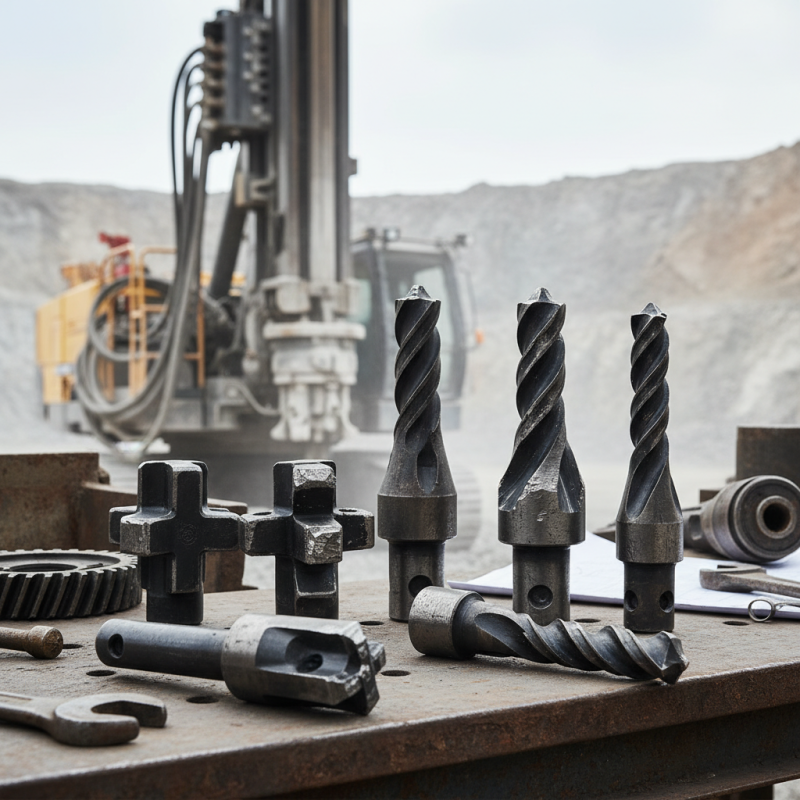
The rock drill bit manufacturing industry plays a critical role in various sectors, including mining, construction, and geothermal energy. High-quality drill bits are essential for effective rock penetration and durability. Different types of rock drill bits, such as tungsten carbide and PDC (Polycrystalline Diamond Compact) bits, cater to diverse drilling needs. Understanding the materials and designs can greatly affect the performance in specific conditions.
Tips: Always assess the type of rock before selecting a drill bit. This knowledge can prevent unnecessary wear and extend tool life. Engage with professionals who have extensive experience in the field. They can provide valuable insights into the best practices for drilling efficiency.
In the manufacturing process, precision is vital. Small variations can lead to significant performance issues. Continuous innovation is necessary, but not all companies keep pace. It's essential for manufacturers to stay updated with technology trends. However, this can be challenging, leading to inconsistencies in quality and innovation. The industry's evolution requires a commitment to research and development.
The chart below presents an overview of the production and revenue of the rock drill bit manufacturing industry, highlighting the growth and market trends over recent years. The data reflects the increasing demand and production capacity within the sector.
The design and performance of rock drill bits depend on several key factors. Material selection plays a crucial role. High-quality steel and tungsten carbide are popular choices due to their durability and resistance to wear. According to industry reports, bits made with premium materials can enhance penetration rates by over 30%.
Bit geometry is another critical element. The shape and size of the drill bits affect how efficiently they penetrate the rock. Research indicates that optimized designs can lead to a 20% reduction in energy consumption during drilling. However, not all shapes work for every type of rock. It's essential to align the bit design with specific geological conditions for best results.
Cooling methods also impact performance. Inefficient cooling can lead to overheating and premature failure, wasting both time and resources. Sustainable cooling techniques are gaining traction, yet their adaptation is still a challenge for some manufacturers. Continuous innovation is necessary, but the industry must also reflect on past practices and outcomes to improve future designs.
| Dimension | Specification | Material | Performance Indicator | Application Area |
|---|---|---|---|---|
| 76 mm | Tapered | Carbide | High penetration rate | Mining |
| 89 mm | Threaded | Steel | Durability | Construction |
| 102 mm | Down-the-hole | Tungsten carbide | Lower operating costs | Geothermal |
| 127 mm | Pneumatic | Alloy steel | Fast drilling speed | Quarrying |
| 150 mm | Tricone | Diamond | Multi-use | Oil & Gas |
The rock drill bit market is increasingly competitive, with several key players leading the industry. Insights from recent reports indicate that the global rock drill bit market is projected to grow significantly in the coming years. This growth is driven by the expanding mining sector, which requires reliable and durable drill bits. Advanced materials and innovative designs are among the top factors enhancing bit performance.
When selecting rock drill bits, it’s essential to consider the specific application and geological conditions. For example, harder rock formations demand different drill bit designs than softer terrains. Choosing the right type can drastically affect efficiency and cost. Research shows that optimized bits can improve drilling speed by up to 30%.
Tip: Regular maintenance can extend the lifespan of your drill bits. A short inspection can identify wear and tear before it affects performance. Remember, even high-quality bits can underperform without proper care. Balancing cost with functionality will yield the best results in your drilling operations.
The rock drill bit industry has evolved significantly, focusing on enhancing efficiency and durability. Various technologies underpin production, each with unique strengths. For instance, diamond-coated bits are renowned for their hardness. They excel in abrasive conditions, ensuring longer life spans. However, they can be costly and may not be the best choice for softer materials.
Another technology, carbide tips, is well-regarded for its versatility. These bits handle a wide range of rock types, making them popular in many sectors. Yet, carbide bits lack the longevity of diamond variants, requiring more frequent replacements. Companies must weigh these factors carefully, balancing cost with performance.
Tips: Consider the specific geological conditions when choosing a drill bit. Assess wear rates regularly to optimize usage. Don't overlook the manufacturing process; quality control impacts performance significantly. Choosing the right technology is crucial for sustainable operations. Keep in mind, what works well in one scenario may not in another. Continuous evaluation and adjustment are key to enhancing productivity and reducing costs.
The rock drill bit industry is witnessing exciting transformations driven by technology and innovation. According to a recent market analysis, the global rock drill bit market is projected to grow by 5.6% annually through 2025. As energy demands increase, manufacturers are focusing on efficiency and durability. Advanced materials are being introduced, enhancing performance while reducing wear.
Automation stands out as a key trend. Robotic systems are being integrated into drilling processes, enhancing precision and reducing labor costs. A study indicated that automated systems can improve drilling efficiency by up to 30%. This shift toward automation brings both opportunities and challenges. Companies must adapt to new technologies while ensuring workforce training is provided.
Moreover, environmental considerations are gaining traction. The push for sustainable drilling methods is influencing product design. Eco-friendly materials and techniques are becoming more prevalent. This trend reflects a growing commitment to reducing the ecological footprint of drilling operations. Continuous innovation is essential to meet these evolving standards while maintaining operational efficiency. The industry's future relies on manufacturers who embrace these changes.