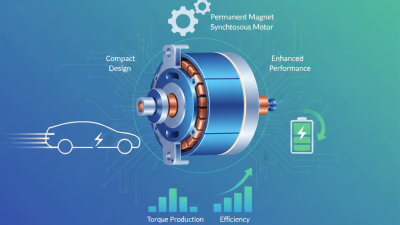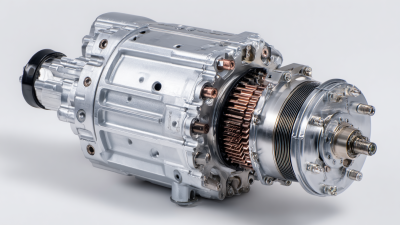
Why Choose Rotor Magnets for Your Next Project?

Rotor magnets play a crucial role in various applications, from electric motors to renewable energy solutions. Their unique properties make them an ideal choice for many projects. When considering materials for your next project, rotor magnets should be high on your list. These magnets are known for their strength and efficiency, offering a reliable solution.

Using rotor magnets can enhance performance in several ways. They provide increased torque and greater power density. This efficiency leads to cost savings in energy consumption. However, it is important to evaluate whether rotor magnets align with your specific needs. Not every project may benefit from choosing these magnets. Analyzing technical specifications and project requirements is essential.

While rotor magnets are beneficial, they are not without challenges. Their manufacturing process can be complex and may present difficulties. Additionally, weight and size constraints need careful consideration. Reflecting on these aspects will ensure a more informed decision. Ultimately, rotor magnets could be the key to unlock greater efficiency in your next project.

Why Choose Rotor Magnets for Your Next Project?

Benefits of Rotor Magnets in Modern Engineering Projects

Rotor magnets are increasingly becoming a preferred choice in modern engineering projects. Their unique properties provide significant advantages, making them ideal for various applications. These magnets are compact and highly efficient, allowing for improved performance in motors and generators. Their design not only enhances the overall functionality but also contributes to space-saving in complex machinery.

One key benefit is their exceptional magnetic strength. Rotor magnets can produce a strong and stable magnetic field, which is crucial for energy conversion. This feature can lead to lower energy consumption and higher output in electric devices. Additionally, rotor magnets are often more durable compared to traditional magnetic solutions. They show resistance to temperature fluctuations, which can enhance the reliability of the machinery.

However, using rotor magnets requires careful consideration. They can be brittle and prone to cracking under certain conditions. Engineers must ensure proper installation techniques to mitigate potential failures. Regular maintenance is also necessary to maintain their efficiency over time. While rotor magnets present impressive advantages, a balanced approach is essential for optimizing their use in engineering designs.
Benefits of Rotor Magnets in Modern Engineering Projects

This bar chart illustrates the various benefits of rotor magnets in modern engineering projects, rated on a scale from 1 to 10. The key advantages include high efficiency, significant cost savings, durability, compact design, and versatility, making rotor magnets a preferred choice for many applications.

Understanding the Types of Rotor Magnets Available

Why Choose Rotor Magnets for Your Next Project?

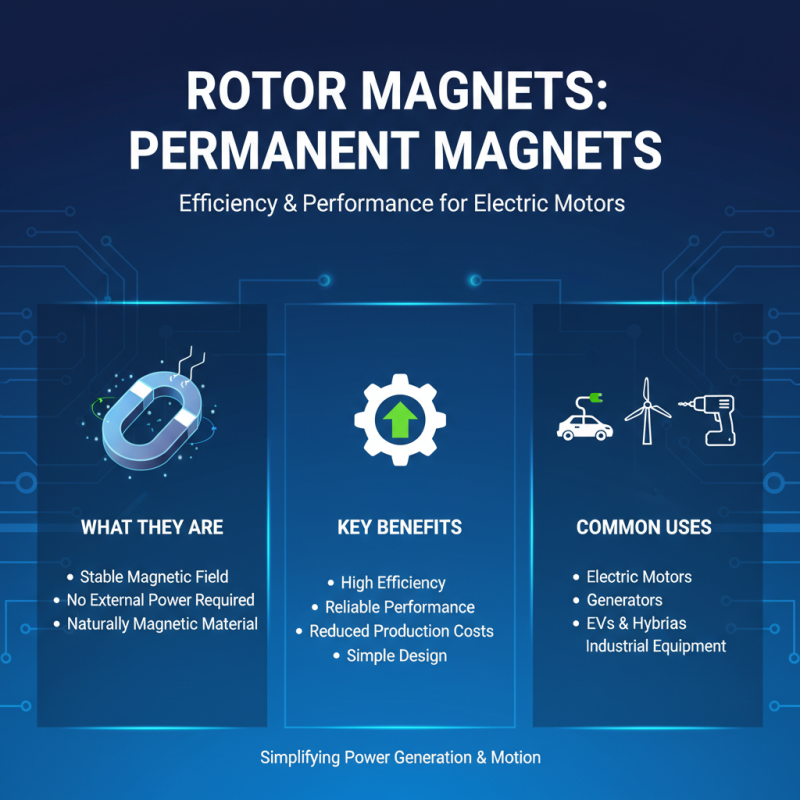
When selecting rotor magnets for your project, understanding the types available is crucial. Different designs cater to various needs. For example, permanent magnets are popular for their efficiency and performance. They create a stable magnetic field without needing power. This makes them ideal for applications in electric motors and generators. Their simplicity often results in lower production costs.

Another option includes electromagnetic rotor magnets. These require an electric current to generate magnetism. This flexibility allows for variable magnetic fields. It can enhance control in dynamic systems. However, they might be more complex and costly to implement. Consideration of power requirements is also essential.

Soft magnetic materials are another category. They are primarily used for creating magnetic circuits. These materials can minimize energy losses during operation. Their utility ranges from transformers to inductors. Yet, their performance can vary depending on environmental conditions. Assessing the specific demands of your project ensures the right choice of rotor magnet. Balancing performance and cost will lead to a more successful outcome.

Key Applications of Rotor Magnets Across Industries

Rotor magnets are essential components in various industries. Their efficient magnetic properties and compact design make them ideal for a wide range of applications. In automotive manufacturing, rotor magnets are vital for electric motors. According to a report by the International Energy Agency, electric vehicles are expected to reach a market share of 30% by 2030. This growth is driving demand for high-performance rotor magnets, which enhance motor efficiency.

In renewable energy, rotor magnets play a crucial role in wind turbines. They are used to convert kinetic energy into electricity. The Global Wind Energy Council reported a 53% increase in new wind installations in 2020. This surge demands innovative magnet designs to improve performance and durability. However, challenges remain in sourcing high-quality raw materials, impacting production schedules and costs.

Industrial automation is another key area benefiting from rotor magnets. They improve precision in robotics and conveyor systems. A study by Markets and Markets forecasts that the industrial automation market will grow to $300 billion by 2025. Despite the promising outlook, engineers must address the reliability of rotor magnets under extreme conditions. Continuous testing and innovation are necessary to maintain performance standards.

Why Choose Rotor Magnets for Your Next Project? - Key Applications of Rotor Magnets Across Industries

Industry Application Benefits of Rotor Magnets Example Products
Automotive Electric Motors High efficiency, compact size EV Powertrains
Energy Wind Turbines Durability, high output Variable Speed Generators
Consumer Electronics Speakers Lightweight, strong magnetic fields Home Audio Systems
Aerospace Actuators Reliability, performance under extreme conditions Flight Control Systems
Medical MRI Machines Precision, stability High-Field MRI Systems

Factors to Consider When Choosing Rotor Magnets

When selecting rotor magnets for your project, several factors play a crucial role. Assess the size and shape required for your application. These magnets must fit precisely within your design. Consider the magnetic strength needed to achieve optimal performance. Different applications require varying levels of power. Know your requirements well.

Temperature stability is another critical aspect. Some magnets perform poorly in extreme conditions. If your project will face heat, ensure the materials can withstand it. Durability also matters. You must weigh the magnet's life cycle against project demands. Cheap options might save money upfront but could fail quickly.

Evaluate the type of magnet. Permanent versus electromagnetic varies in application and reliability. Permanent magnets are often simpler and cheaper. Electromagnets, however, offer control but depend on continuous power. Consider your project's long-term needs when making a choice. Balancing all these factors can be challenging. Each decision requires careful thought and, sometimes, compromises.

Comparative Analysis: Rotor Magnets vs. Traditional Magnets

In the world of industrial applications, rotor magnets stand out due to their efficiency. A recent industry report indicates that rotor magnets offer up to 30% greater torque output than traditional alternatives. This significant advantage can lead to enhanced performance in motors and generators.

On the other hand, traditional magnets have been widely used for decades. They are often heavier and less effective in high-speed applications. The materials used in rotor magnets, such as neodymium, contribute to their superior efficiency and strength, especially at high temperatures. However, the initial cost of rotor magnets can be higher, making them less accessible for smaller projects.

Tips: When considering rotor magnets, assess the specific needs of your project. Look at long-term benefits over short-term costs. Also, consider the performance metrics that matter most for your application, such as energy efficiency and weight constraints. Reliability is essential, but it’s equally important to ensure that the supplier adheres to quality standards. Research and compare specifications carefully, as this helps in making an informed decision.

Scroll to Top