
Why Choose Zinc Die Casting for Your Project?

Why Choose Zinc Die Casting for Your Project?

A small zinc component can carry a surprising amount of design responsibility. Think of a compact latch housing: its thin ribs, crisp lettering, and smooth edges may all need to emerge from one production process. Zinc Die Casting can suit parts like this because molten zinc flows into detailed steel dies and solidifies quickly. The result can combine fine features, consistent dimensions, and a finish that needs less secondary work. That is useful, but not automatic.

As a clearly illustrative expert voice, die-casting engineer Elena Morris might put it this way: “Choose zinc when the part’s detail, repeatability, and production volume justify the tooling.” That is not a verified quotation from a real industry source. It captures a practical design question: does the complete part benefit from zinc’s capabilities enough to offset die and tooling costs? A real project should confirm this with supplier data and prototype testing.

The decision depends on more than the alloy name. Engineers should review wall thickness, draft angles, expected loads, operating temperatures, surface requirements, and annual quantities. A supplier can assess whether a feature will fill reliably or create difficult tooling. Small details matter. A sharp internal corner, for example, may complicate die design or affect filling. Zinc is not ideal for every environment or component, either. Compare its performance with alternatives under actual service conditions. A little caution helps. The right choice is the one supported by part geometry, production needs, and measured results—not by a material’s reputation alone.
Why Choose Zinc Die Casting for Your Project?

What Zinc Die Casting Is and How It Works

Why Choose Zinc Die Casting for Your Project?

What Zinc Die Casting Is and How It Works

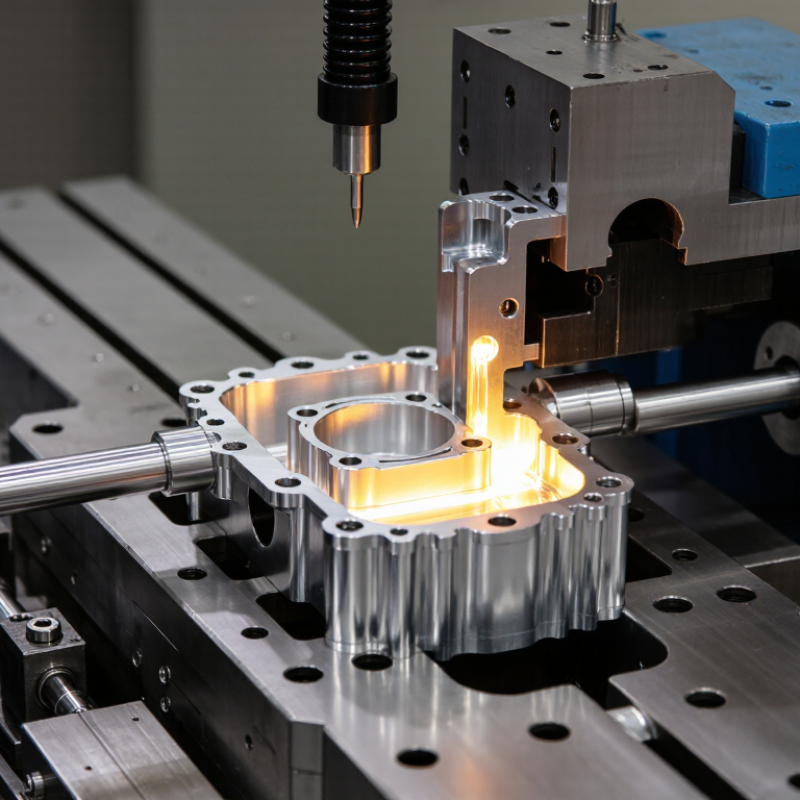
Zinc die casting forms metal parts by forcing molten zinc alloy into a shaped steel die under pressure. The die has two halves that close around a cavity matching the part’s design. Once the metal cools and solidifies, the halves open, and ejector pins release the casting. It happens quickly. The part may then need its gates, runners, or thin flash trimmed away.

This process can produce detailed features, smooth surfaces, and consistent dimensions across repeated parts. Small bosses, ribs, and openings can often be formed directly in the die, reducing later machining. However, results depend on alloy choice, part geometry, die design, and process control. A sharp corner or uneven wall can complicate filling and cooling. Even a sound design may need revision after the first sample; that possibility is easy to underestimate.

Tips: Share expected quantities, critical dimensions, and surface requirements early. Ask how the part will be ejected and where trimming marks may appear. Review a sample before approving production. A drawing can look complete, but it rarely answers every manufacturing question.

Key Properties of Zinc Alloys for Die Casting

Why Choose Zinc Die Casting for Your Project?

Zinc alloys combine strength, fluidity, and a relatively low melting range. The International Zinc Association’s Zinc Die Casting Handbook reports a density of about 6.6 g/cm³ and tensile strength near 283 MPa for Zamak 3. It places the alloy’s melting range at roughly 381–387°C.

These figures describe standard test conditions, not every finished part. That distinction matters. Thin ribs, small lettering, and compact housings can benefit from zinc’s ability to fill detailed die cavities, but actual results depend on wall thickness, tooling, and process control.

Zinc parts also offer useful dimensional consistency and can accept finishes such as plating or paint. A naturally formed surface film helps resist corrosion, though exposure to moisture, salts, and dissimilar metals still deserves review.

NADCA’s Product Specification Standards for Die Castings provides tolerance guidance by alloy and casting size, reflecting how geometry affects achievable precision. In project reviews, it is worth checking the alloy’s strength against the part’s load, then testing the finish in its real environment. The handbook values are helpful starting points, not guarantees. Sometimes the first design needs adjustment.

Benefits of Zinc Die Casting for Project Requirements

Why Choose Zinc Die Casting for Your Project?

Benefits of Zinc Die Casting for Project Requirements

Zinc die casting can suit projects that need compact, detailed metal parts produced in repeatable volumes. The alloy flows into narrow sections and fine features, helping create parts with thin walls, ribs, and small bosses. That can reduce the need to assemble several pieces. A single component may do the job.

For demanding production schedules, short casting cycles can support efficient output once tooling is ready. Zinc parts can also offer useful strength and a smooth surface straight from the die. This may simplify finishing, especially when the design calls for a consistent appearance. Small details matter. A clean edge can save work later.

Fit is often the deciding factor. Die casting can hold consistent dimensions, but the achievable tolerances depend on part geometry, tooling, and process control. Review critical measurements with a supplier and test samples before locking the design. Tooling also requires an upfront investment, so the process may be less suitable for very low quantities. Part size and operating conditions deserve careful review, too. It is easy to focus on unit cost and miss the cost of a late design change. A practical assessment should weigh volume, detail, strength, finish, and inspection needs together.

Why Choose Zinc Die Casting for Your Project?

A lower melting point can mean less thermal stress on tooling compared with metals that melt at higher temperatures.

Values show approximate melting points of pure metals, not the processing temperatures of die-casting alloys. Actual tooling life and energy use depend on the alloy, equipment, and production conditions.

Common Applications Across Industries

Zinc die casting serves industries that need compact, detailed metal parts made in repeatable volumes. In automotive systems, examples include sensor housings, seat-belt components, door latches, and electrical connectors. A small part can matter. Its fit affects assembly speed and the feel of a switch or handle. Consumer electronics use zinc housings and frames where rigidity, fine detail, and a finished surface are important. Appliance makers also use zinc components for knobs, hinges, and locking mechanisms.

Construction hardware is another established application. Window fittings, cabinet handles, and lock bodies benefit from zinc’s ability to fill intricate moulds and accept plating or paint.

The USGS Mineral Commodity Summaries 2024 lists zinc-base alloys as about 14% of U.S. zinc end use. That figure covers more than die-cast products, so it is useful context, not a measure of die-casting demand.

The process suits small and medium components, especially when several features can be cast together. Still, it is not the right choice for every part. High service temperatures, unusually large dimensions, or low production volumes may favour another material or process. Designers should check load, heat, finish, and tooling costs early. That check is easy to postpone. It shouldn’t be.

Factors to Assess Before Selecting Zinc Die Casting

Why Choose Zinc Die Casting for Your Project?

Before selecting zinc die casting, check production volume, part geometry, and required service life. Tooling has a fixed cost, so high-volume production often makes that investment easier to justify. For small components, inspect thin ribs, corner radii, draft angles, and ejection points early. These details affect filling and tool design. Common zinc die-casting alloys melt at roughly 380–390°C, according to alloy technical data; the lower temperature can support rapid production, but it does not guarantee a defect-free part. Ask for sample parts and validate critical dimensions.

Material supply deserves attention, too. The USGS Mineral Commodity Summaries 2025 estimates global zinc mine production at about 12 million metric tons in 2024. This indicates a substantial raw-material market, but not guaranteed local availability of your chosen alloy. Confirm alloy grade, lead time, recycled content, and corrosion requirements with your supplier. Also assess the finishing process: plating or painting may change cost, appearance, and dimensional fit. A detail that is easy to overlook.

Tips: Send suppliers a 3D model, annual volume, and a list of critical dimensions. Ask them to identify draft, wall-thickness, and tolerance risks before tooling begins. Then test representative parts under real operating conditions. Teams sometimes approve a sample too quickly; that can leave fit or finish issues undiscovered.

Scroll to Top