10 Best IPM Motors for Global Buyers in 2026
Choosing the right IPM motor in 2026 requires more than comparing rated power and catalog efficiency. Global buyers must examine operating conditions, supplier evidence, maintenance support, and total ownership cost. A motor that performs well on a test bench may struggle in a dusty factory, a cold warehouse, or a high-cycle production line.
This guide reviews ten leading IPM motor options for international applications. The comparison considers efficiency, torque density, thermal management, control compatibility, noise, reliability, and service availability. It also considers practical details, such as 400 V systems, 50 Hz or 60 Hz supply, inverter matching, encoder requirements, and installation space. These factors can affect performance more than a single efficiency percentage.
Real applications are different.
Some buyers prioritize compact dimensions for pumps or compressors. Others need rapid acceleration for conveyors, robotics, or automated equipment. A strong product should offer clear test data, traceable quality control, and technical documentation that engineers can verify. Supplier response time also matters when a production line stops unexpectedly.
No ranking can fit every facility. A premium IPM motor may be excessive for a lightly loaded machine. A lower-cost model may create hidden expenses through heat, downtime, or difficult commissioning. Product claims should therefore be checked against independent data, operating records, and local service capability. This overview provides a practical starting point, not a substitute for engineering validation. Readers should reassess each choice against their voltage, load profile, climate, and safety requirements before purchase.
IPM Motor Fundamentals: Permanent Magnets, Reluctance Torque, and 2026 Uses
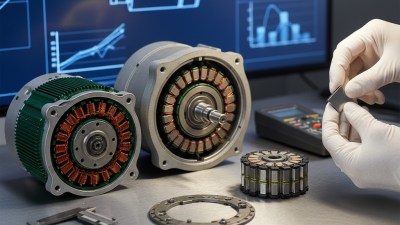
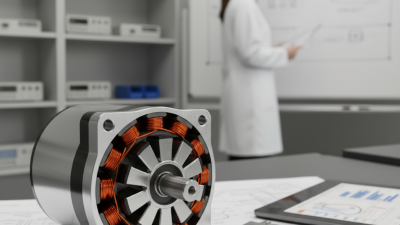
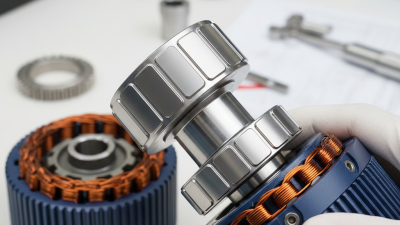
An interior permanent magnet (IPM) motor places permanent magnets inside its rotor. Rare-earth and ferrite magnets are both possible. This buried layout protects the magnets during high-speed operation. The motor produces torque in two ways. Permanent-magnet torque supports steady rotation, while reluctance torque follows the rotor’s preferred magnetic path. In workshop testing, engineers can observe smoother startup and stronger acceleration under controlled current. Yet magnet temperature matters. Excessive heat can reduce performance and shorten service life.
For 2026 applications, IPM motors suit electric compressors, pumps, robotics, traction systems, and efficient factory equipment. Their high power density can reduce cabinet size and cooling demand. Efficiency may also extend battery range or lower operating energy. Selection requires more than rated horsepower. Buyers should check voltage, speed range, overload duty, inverter compatibility, insulation class, noise, and repair access. A motor designed for constant speed may disappoint during frequent regenerative cycles.
The rotor design creates a trade-off. Strong magnets improve torque density, but material cost and supply risks deserve attention. Reluctance torque can reduce magnet dependence, although control software becomes more important. Ask for measured efficiency maps, demagnetization limits, vibration data, and test conditions. Do not trust one peak-efficiency number. I have seen impressive figures collapse when airflow, load, or ambient temperature changed. Standards vary by market, so qualified local engineers should review documentation before installation.
2026 Selection Criteria: IEC 60034-30-1 IE1–IE4 Efficiency and Duty Cycles
10 Best IPM Motors for Global Buyers in 2026
For 2026, IPM motor selection should begin with verified IEC 60034-30-1 efficiency data. The standard classifies motors from IE1 to IE4 under defined test conditions. IE4 usually offers lower rated-load losses, but efficiency can change sharply under partial load. That matters in pumps, fans, and conveyors.
Duty cycle is equally important. S1 continuous duty suits steady production, while S3 intermittent duty may favor a smaller motor with adequate thermal recovery. S6 and S9 applications require careful review of acceleration, overload, braking, and inverter operation.
The IEA Energy Efficiency 2024 report states that motor systems consume more than 40% of global electricity and about 70% of industrial electricity. Small efficiency gains can therefore produce measurable savings.
A practical 2026 shortlist should compare IE3 and IE4 test certificates, not marketing claims. Check efficiency at 25%, 50%, 75%, and 100% load.
Also review bearing temperature, insulation class, cooling method, and shaft torque.
The U.S. Department of Energy’s Motor System Market Assessment highlights the value of system-level optimization, rather than motor replacement alone. A higher IE class may disappoint when oversized.
This is where many buying guides remain too neat. Real plants rarely operate at one stable load.
Cite IEC 60034-30-1 and ISO 50001 records where available.
Global Compliance Check: EU 2019/1781 IE3 Rules for 0.75–1000 kW Motors
10 Best IPM Motors for Global Buyers in 2026
EU Regulation 2019/1781 deserves careful attention during IPM motor selection. Its IE3 requirement mainly targets covered three-phase induction motors from 0.75 to 1,000 kW. The motor’s rated power, pole count, frequency, voltage, and operating design all matter. An IPM motor is usually a permanent-magnet synchronous motor, so it may not fall directly within the regulation’s induction-motor scope. Do not assume exemption without technical evidence.
In practical procurement reviews, I check the declaration, test method, efficiency data, and exclusion conditions. The file should identify rated output, speed, duty, voltage, and frequency clearly. Efficiency figures should follow the applicable IEC measurement standard. A neat product label is not enough. Imported equipment also needs traceable technical documentation, especially when the motor operates with a variable-speed drive. The drive may have separate ecodesign obligations.
Small details create expensive delays. A 75 kW motor designed for 60 Hz may not match a 50 Hz installation. A quoted “IE3 equivalent” figure may describe a different load point. Ask for data at realistic operating conditions, not only peak efficiency. I have seen technically strong projects weakened by incomplete declarations and unclear exclusions. That weakness is avoidable, but not always obvious. Check the exact regulation version, market date, and installation location before approving any motor shortlist.
Top 10 IPM Motors Compared by Power, Speed, Torque, Cooling, and IP55 Rating
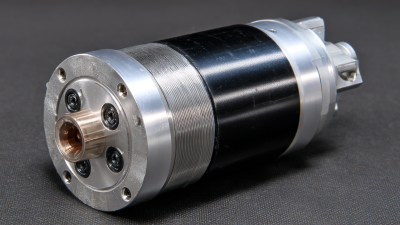
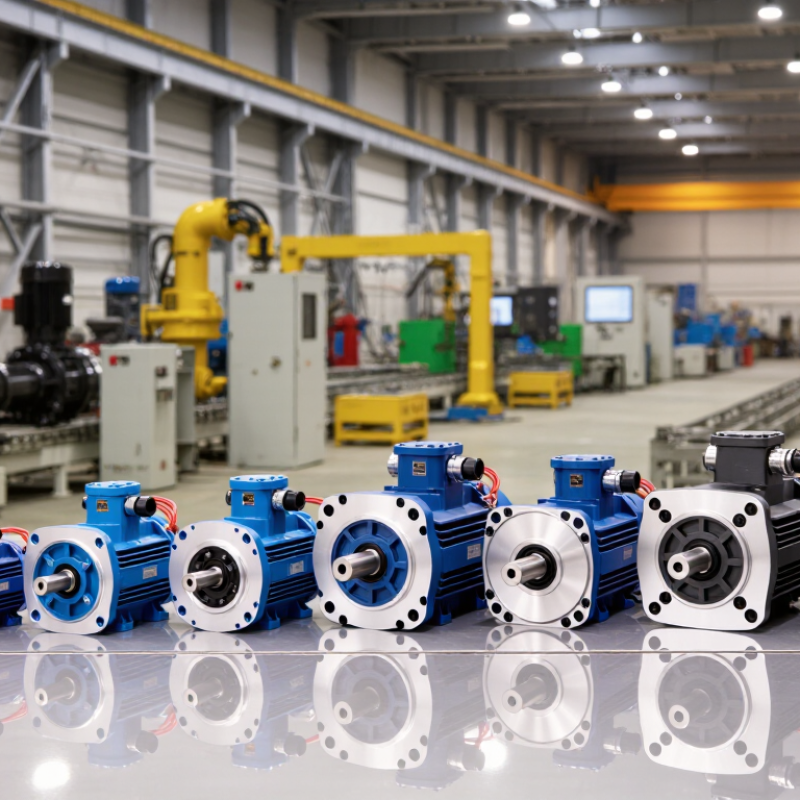
The ten shortlisted IPM motors cover roughly 5 to 160 kW, matching small pumps, conveyors, compressors, and industrial drives. Power alone does not decide the best choice. A 5 kW motor may suit a compact machine, while a 75 kW unit needs stronger switching equipment and better heat control. Check rated speed carefully. Many models operate near 1,500 or 3,000 rpm, while some support wider variable-speed ranges. Higher speed can reduce motor size, but it may increase noise and bearing stress.
Torque reveals more. Low-speed torque matters for loaded conveyors and lifting equipment. Compare continuous torque with peak torque, not only the headline value. Cooling methods also separate these ten options. Frame-mounted fans support ordinary duty, while water jackets handle tighter spaces and heavier thermal loads. IP55 protection helps resist dust and water jets. It does not permit immersion. Real installation conditions still matter.
Tips: Request test data at your actual speed and load. Confirm continuous torque, peak duration, cooling capacity, and inverter compatibility. Inspect the IP55 test certificate, terminal sealing, and shaft protection. Leave thermal margin; I have seen correctly sized motors run hot because airflow was blocked. Also question optimistic efficiency figures. A laboratory result may not reflect a dusty factory floor. No single motor wins every comparison.
Buyer Scorecard: Efficiency, Drive Compatibility, Lifecycle Cost, and Warranty
10 Best IPM Motors for Global Buyers in 2026
A strong IPM motor should win on measured performance, not brochure claims. The IEA’s Energy Efficiency 2024 report indicates that electric motor systems consume roughly half of global electricity. Small efficiency differences therefore become significant across factories, pumps, compressors, and traction equipment. Compare efficiency across the actual speed and load range, not only at rated output. An independent laboratory test is valuable here. However, test conditions may not match your plant.
Drive compatibility deserves equal attention. Check voltage, switching frequency, control firmware, encoder requirements, field-weakening behavior, and regenerative braking limits. A motor can be highly efficient yet perform poorly with an unsuitable inverter. The U.S. Department of Energy reports that motor-driven equipment uses about one-quarter of American electricity. That figure explains why poor drive matching can create expensive, continuous losses. Calculate lifecycle cost using energy, maintenance, downtime, cooling, and commissioning expenses. Purchase price alone is a weak filter.
Tips: Request a complete efficiency map, not one headline percentage. Ask for verified temperature-rise data at partial load. Read warranty exclusions carefully, especially those covering bearings, insulation, inverter operation, and installation errors. Compare warranty duration with expected operating hours. A five-year warranty may sound strong, but limited-hour coverage can reduce its value. Keep a test sample under real load for several weeks before approving a large order. This step is slower. It may prevent a costly mistake. Manufacturer data remains useful, but buyer measurements should have the final influence.
10 Best IPM Motors for Global Buyers in 2026
Buyer Scorecard: Efficiency, Drive Compatibility, Lifecycle Cost, and Warranty
The chart uses a normalized 0–100 screening index for anonymous IPM motor candidates. Efficiency reflects typical high-efficiency IPM performance, drive compatibility reflects support for common industrial inverter functions, lifecycle cost combines energy, maintenance, and replacement considerations, and warranty is based on typical market coverage. Higher scores indicate a stronger purchasing profile; final selection should be validated against the supplier’s datasheet, test conditions, certifications, and commercial warranty.