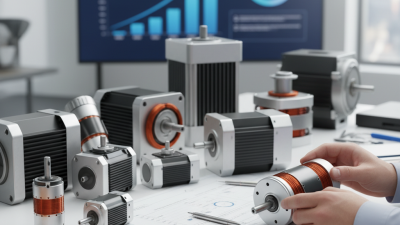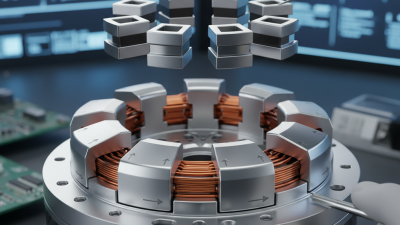
Selecting the right IPM SynRM motor is crucial for optimizing energy efficiency and performance. With the growing demand for sustainable solutions, these motors have gained popularity in various applications. An IPM SynRM motor combines the benefits of synchronous and reluctance motors. They offer high efficiency, especially in variable speed applications.
When choosing an IPM SynRM motor, consider factors such as load requirements, operating conditions, and control systems. Each factor plays a significant role in the motor's effectiveness. It's essential to assess the specific needs of your application. Custom requirements might lead to challenges if not addressed properly.
Ultimately, the decision should align with your operational goals. The right motor can enhance performance and reduce energy costs. However, understanding the nuances of IPM SynRM motors requires expertise. Make informed choices that reflect both efficiency and reliability in your selection process.
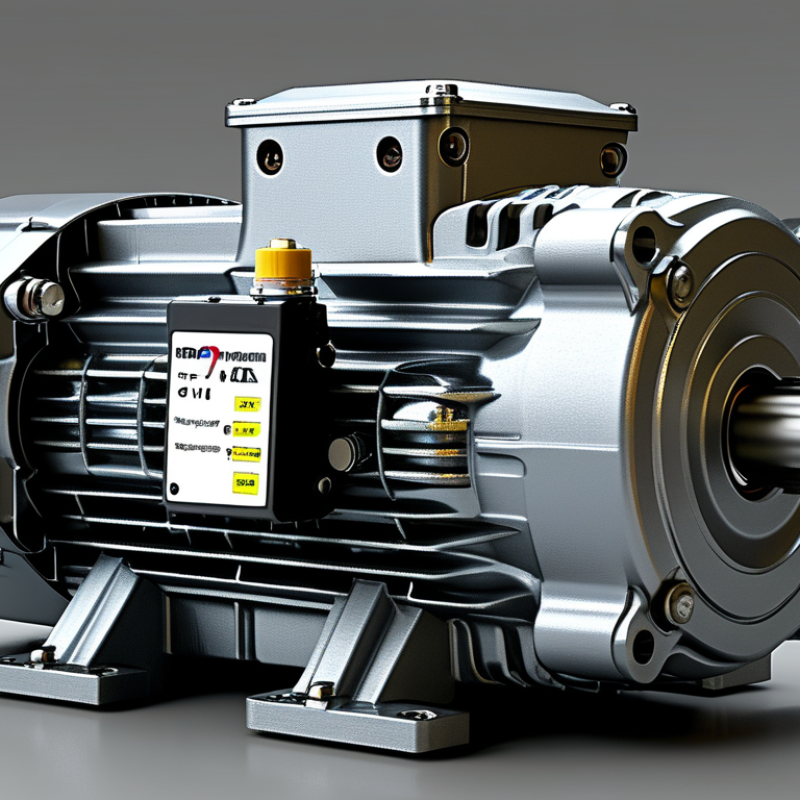
When selecting an IPM SynRM motor, it's crucial to evaluate several key factors. The application and environment are primary considerations. Different environments may require motors with varying degrees of protection against dust and moisture. Consider the operating temperature range as well. Motors used in high-temperature settings may need additional features or ratings.
Efficiency is another important factor. IPM SynRM motors are designed for high efficiency, but not all models perform the same. Understanding the efficiency rating can help you choose a motor that optimizes energy use while meeting operational demands. Remember, an overly efficient motor in a low-demand application might be overkill, leading to unnecessary costs.
Torque and speed requirements must also be assessed. Ensure that the selected motor provides adequate torque for your specific tasks. Sometimes a motor may meet speed requirements but cannot handle the torque needed during peak loads. In such cases, re-evaluating your choice or adjusting the application requirements might be necessary. Engaging with professionals who specialize in motor selection can provide additional insights, but don't overlook the importance of considering your unique operational needs.
| Factor | Description | Importance Level | Example Values |
|---|---|---|---|
| Power Rating | The output power required for your application | High | 1 kW to 100 kW |
| Voltage Class | Voltage rating suitable for your electrical system | Medium | 230V, 400V, 690V |
| Speed Range | The operational speed range required | High | 1000 RPM to 3000 RPM |
| Efficiency | How effectively the motor converts electrical energy to mechanical energy | High | IE3, IE4 |
| Application Type | Nature of the application – whether it’s pump, fan, etc. | Medium | Industrial, HVAC, Agriculture |
When selecting an IPM (Interior Permanent Magnet) SynRM (Synchronous Reluctance Motor), understanding the various types available is crucial. IPM motors can differ significantly in design and performance. They often vary in efficiency, power density, and operational characteristics. These differences can greatly affect your machinery or application.
Some IPM SynRM motors are optimized for high torque and low speed, while others excel in high-speed operations. Consider where you intend to use the motor. An industrial setting might require different specifications than a commercial one. Each type has its advantages and disadvantages. Selecting the right motor is not solely about horsepower. It’s about matching the motor’s characteristics to your needs.
Another factor is the cooling mechanism. Some motors may rely on air cooling, while others could use liquid cooling. This can impact maintenance and operational costs. Understanding the detailed specs is vital but can be complex. Sometimes, it is necessary to consult with experts to make an informed decision.
Analyzing your operational demands can reveal insights that lead to better choices. It’s essential to be patient and thoroughly evaluate all options before reaching a conclusion.
Choosing the right IPM SynRM motor requires a careful evaluation of its performance characteristics. Each application has unique demands. Proper assessment ensures efficiency and longevity in operation.
Start by considering the torque requirements of your application. High torque may be vital for heavy-duty tasks. Pay attention to the motor's speed range. Certain tasks demand precise speed control. It’s also crucial to factor in the environment where the motor will operate. Harsh conditions may necessitate additional protective features.
Energy efficiency should also be a priority. An efficient motor lowers operating costs. Review the available power ratings and duty cycles. Understanding your operational needs can prevent underperformance. Real-world testing provides insights not always visible in specifications. Each selection is a balance of features and application needs, requiring your careful consideration.
When selecting an IPM SynRM motor, specific key specifications are critical. Understanding these can greatly impact performance and project success. Look for efficiency ratings, as higher efficiency leads to lower operational costs. A motor with a high power factor is also beneficial, as it indicates better performance with less energy waste. Ensure the cooling method suits your application; options include natural or forced air cooling.
Another important aspect is torque characteristics. Investigate the motor's torque curve to ensure it meets your needs at various operational speeds. A high starting torque may be necessary for applications with heavy loads. Consider compatibility with your existing systems. Standardized connections and control interfaces help minimize installation challenges.
Consider these insights when choosing a motor. Efficiency matters; a more efficient motor pays off over time. Torque should match your application's demands. Don't overlook sizing; an overly large motor can lead to inefficiencies. Always compare specifications carefully, as manufacturers vary in performance claims. Balancing these factors will guide you to the right choice.
IPM SynRM motors are versatile and find applications across various industries. They are commonly used in manufacturing, water treatment, HVAC systems, and renewable energy sectors. In manufacturing, these motors enhance efficiency and precision in automated processes. In water treatment, they help reduce energy consumption while ensuring reliability. HVAC systems benefit from their quiet operation and energy-saving features.
In renewable energy, IPM SynRM motors power wind turbines and solar tracking systems. Their high efficiency and adaptability make them ideal for these applications. However, it's essential to evaluate specific needs before making a decision. Consideration should be given to load types and operating conditions. The motor's efficiency can vary based on these factors.
When selecting the right motor, focus on technical specifications. Assess torque requirements and speed ranges. Matching these parameters to your application will improve performance. Look for opportunities to refine your choice by analyzing previous projects. Feedback can help identify common pitfalls and avoid them in future selections. This reflective approach can lead to better outcomes and more efficient operations.