Top 10 Permanent Magnet AC Motors for Global Buyers?
The global demand for permanent magnet AC motors is rapidly increasing. These motors offer high efficiency and reliability. Various industries are leveraging the advantages of these innovative solutions. Choosing the right permanent magnet AC motor can be challenging. With many options in the market, buyers must consider performance, price, and application compatibility.
In this article, we present a curated list of the top 10 permanent magnet AC motors. These selections are based on extensive research and industry expertise. Each motor has been evaluated for its quality and effectiveness across different applications. Worth noting, reliability can differ among brands. Buyers should reflect on these differences when making their choices.
Understanding the characteristics of each motor is crucial. Not all motors suit every need. Therefore, careful consideration can prevent costly mistakes. By highlighting the best options available, we aim to streamline the decision-making process for global buyers. This guide will support informed purchases in a competitive market.
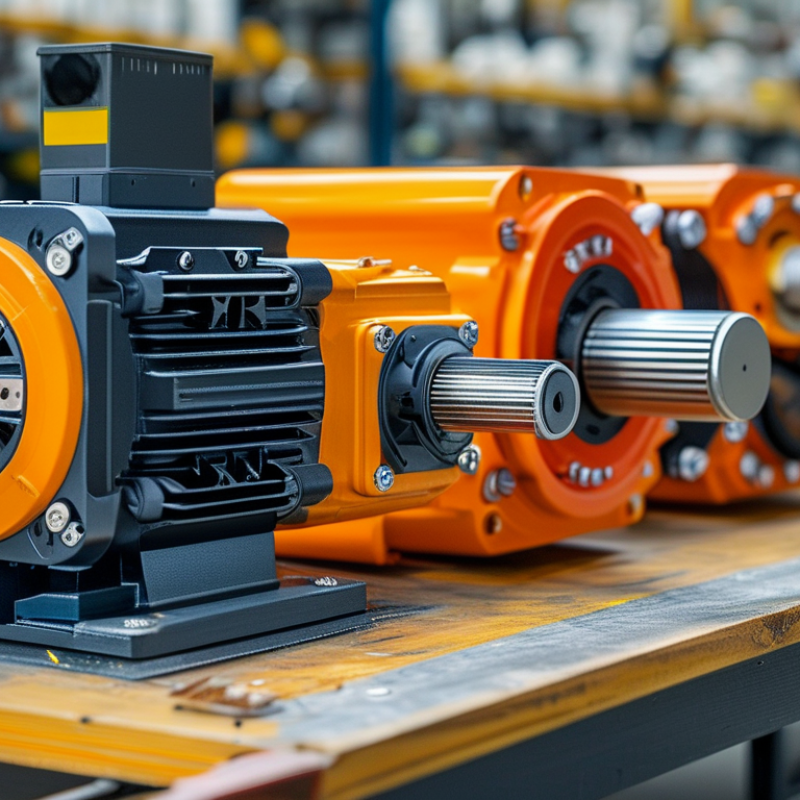
Overview of Permanent Magnet AC Motors and Their Applications
Permanent Magnet AC (PMAC) motors represent a significant advancement in electric motor technology. These motors utilize permanent magnets to create a magnetic field, enhancing efficiency and performance. According to a report by Transparency Market Research, the global PMAC motor market is expected to reach $8.2 billion by 2026, reflecting a compound annual growth rate (CAGR) of 12.5% from 2020 to 2026. This growth is driven by the escalating demand for energy-efficient solutions across various sectors.
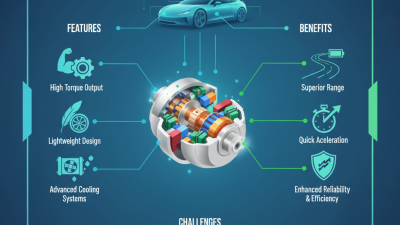
Applications for PMAC motors are diverse. They are widely used in electric vehicles, industrial automation, and HVAC systems. In electric vehicles, PMAC motors deliver higher torque and greater efficiency compared to traditional induction motors. This contributes to longer driving ranges and reduced energy consumption. Industrial automation often employs these motors for precise control and reliability. Reports indicate that PMAC motors can save up to 30% more energy than conventional motors under certain conditions.
Despite their advantages, challenges exist. The cost of rare earth materials used in permanent magnets can lead to fluctuating prices. Trends show that manufacturers are exploring alternatives, but these substitutes may not perform equally. The industry must continue to innovate for sustainable production, particularly in supply chain management. Balancing efficiency, cost, and environmental impact remains a complex issue for stakeholders.
Key Features and Advantages of Permanent Magnet AC Motors
Permanent Magnet AC Motors (PMAC) are gaining popularity for their efficiency and performance. These motors utilize strong permanent magnets, allowing for a compact design with reduced weight. Their efficiency often surpasses traditional AC motors, resulting in lower energy costs and less environmental impact. The high torque density in PMAC makes them suitable for various applications, from electric vehicles to industrial automation.
Many buyers appreciate that these motors require less maintenance. Without a rotor winding, there's less wear and tear. However, one might reflect on the initial investment cost, which can be higher than that of traditional motors. The long-term savings on energy and maintenance can outweigh this. Understanding these factors is essential for making an informed decision.
Selecting the right PMAC motor involves considering specific application requirements. Factors such as size, speed, and load capacity are crucial. It’s important to ensure that the motor meets the demands of your project. Doing thorough research on power ratings and torque can lead to better performance outcomes.
Top 10 Permanent Magnet AC Motors for Global Buyers
| Model |
Power Rating (kW) |
Efficiency (%) |
Torque (Nm) |
Speed (RPM) |
Applications |
| Model A |
15 |
95 |
50 |
1500 |
Industrial Fans |
| Model B |
22 |
96 |
70 |
1800 |
Pumps |
| Model C |
30 |
94 |
90 |
1200 |
Conveyors |
| Model D |
5 |
93 |
20 |
3600 |
Small Appliances |
| Model E |
40 |
97 |
120 |
1000 |
Industrial Robotics |
| Model F |
10 |
92 |
35 |
3000 |
Fans |
| Model G |
3 |
90 |
15 |
2400 |
Home Appliances |
| Model H |
25 |
96 |
80 |
1500 |
Textile Machines |
| Model I |
35 |
94 |
100 |
1200 |
Material Handling |
| Model J |
12 |
91 |
40 |
2500 |
Solar Tracking |
Top Manufacturers in the Permanent Magnet AC Motor Market
The permanent magnet AC motor market is evolving rapidly. According to a recent market analysis, global demand is projected to grow at a compound annual growth rate (CAGR) of 9.2% from 2023 to 2030. This growth reflects an increasing focus on energy efficiency and advanced performance in various industries.
Leading manufacturers in this market are investing heavily in research and development. They aim to improve motor efficiency and reduce costs. Industry reports indicate that many players are integrating smart technologies into their products. These innovations help optimize performance and monitor motor health continuously. This proactive approach enhances reliability and reduces maintenance downtime.
However, challenges persist in the market. The initial investment for high-performance permanent magnet AC motors can be significant. Not all buyers are willing to absorb this cost upfront. Additionally, varying global energy regulations pose compliance challenges for manufacturers. Balancing performance with regulatory requirements requires ongoing effort. Understanding these dynamics is essential for stakeholders looking to navigate this competitive landscape effectively.
Criteria for Selecting the Best Permanent Magnet AC Motors
When selecting the best Permanent Magnet AC (PMAC) motors, certain criteria stand out. Efficiency is paramount, as PMAC motors typically reach efficiency ratings above 90%. A reliable efficiency metric shows that improved designs can save businesses up to 20% in energy costs. Moreover, torque density is an important factor. Higher torque density means smaller motors for the same output, which is crucial in design constraints.
Another key criterion is thermal management. PMAC motors with effective cooling systems reduce thermal stress and extend lifespan, ensuring better performance. Sources highlight that overheating can decrease motor efficiency by up to 15%. Buyers should also consider the motor’s operational envelope, including speed ranges and load conditions. This ensures optimal performance in a specific application.
For successful procurement, evaluate vendor support and warranty options. A solid warranty reflects the manufacturer's confidence in their product. Buyers need to understand the entire lifecycle cost, not just upfront expenses. Certain data reports suggest lifecycle costs can be three to five times higher than initial purchase prices.
Balance reliability with innovation. Assess all factors before making a choice.
Trends and Innovations in Permanent Magnet AC Motor Technology
Permanent magnet AC (PMAC) motors are evolving rapidly, driven by innovations in technology and efficiency. According to industry reports, the global market for PMAC motors is projected to grow significantly, reaching approximately $23 billion by 2026. This growth is partly attributed to rising demand for energy-efficient solutions in various applications, including automotive and industrial sectors.
Recent advancements include the use of advanced magnetic materials, which enhance the torque-to-weight ratio of these motors. These materials not only improve efficiency but also allow for more compact designs. As a result, manufacturers are able to reduce overall system costs while improving performance. Studies indicate that PMAC motors can achieve efficiency levels exceeding 95%, a noteworthy improvement compared to traditional motors.
However, challenges remain. The production of high-performance permanent magnets often relies on rare earth materials, which raises concerns about supply chains and sustainability. Additionally, while the initial investment for PMAC motors may be higher, their long-term operational savings can justify the cost. As the industry continues to innovate, it is crucial to balance performance with ethical sourcing and sustainability to ensure a resilient future for PMAC technology.