Top Electric Motor Magnet Manufacturers for Global Buyers?

Choosing the right electric motor magnet manufacturer can affect efficiency, noise, service life, and production stability. Global buyers often compare suppliers across material quality, machining accuracy, thermal performance, and delivery reliability. A magnet may look simple, yet its grade, coating, shape, and magnetic tolerance can change motor behavior significantly.

This guide examines leading manufacturers of neodymium, samarium cobalt, and ferrite magnets for industrial motors, electric vehicles, pumps, compressors, and automation systems. It considers practical evidence, including ISO-based quality systems, inspection methods, engineering support, and experience with international export requirements. Buyers should review test reports, surface protection, temperature ratings, and batch consistency before approving samples.

Small details matter.

For example, a rotor magnet with uneven dimensions may create balancing problems during high-speed operation. A weak coating can also fail in humid environments, even when the magnetic grade appears suitable. Reliable manufacturers usually provide clear datasheets, traceability, sampling procedures, and realistic production schedules. However, no supplier ranking is perfect. A company that performs well for large automotive orders may not suit a small prototype project or a highly customized design. Pricing alone can hide risks.

The following overview compares top electric motor magnet manufacturers through a buyer-focused lens. It highlights their material capabilities, quality practices, customization options, and global supply strengths. It also encourages readers to verify current certifications, technical claims, and lead times directly. Careful verification remains essential.

Top Electric Motor Magnet Manufacturers for Global Buyers?

What Electric Motor Magnets Are and Why They Matter

What Electric Motor Magnets Are and Why They Matter

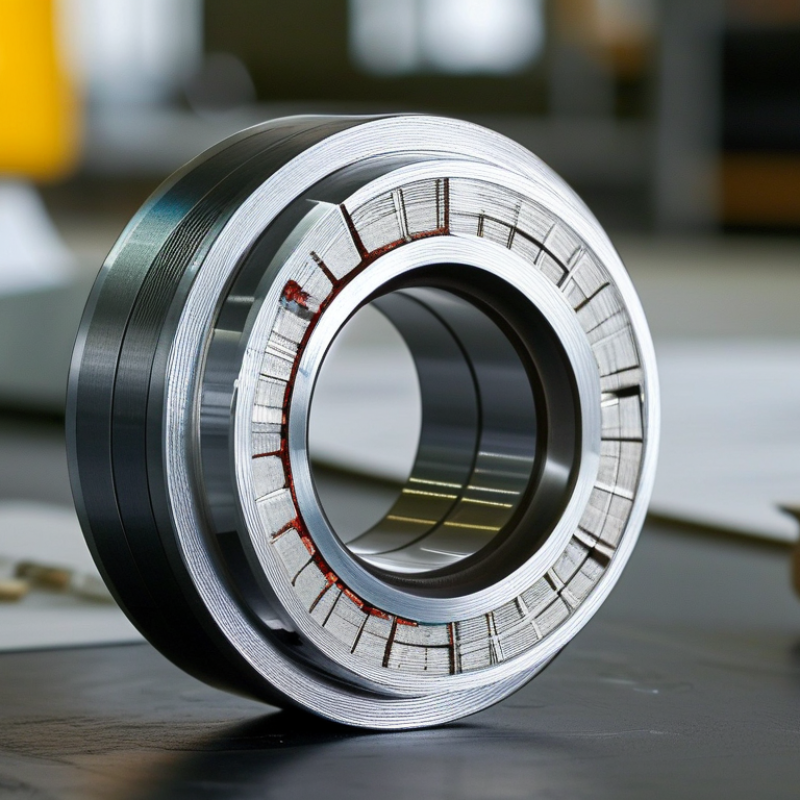
Electric motor magnets create the magnetic field that produces torque. In permanent-magnet motors, these components usually sit inside the rotor. They interact with current flowing through nearby windings. This interaction makes the shaft turn smoothly and efficiently.

Different applications require different magnet materials.

Ferrite magnets offer lower cost and good resistance to corrosion.

Neodymium-iron-boron magnets provide stronger magnetic performance in compact designs.

Samarium-cobalt magnets handle high temperatures better, although they cost more.

The right choice depends on speed, heat, space, load, and operating conditions.

A stronger magnet is not always better. Excessive magnetic force can increase design stress or complicate assembly. Temperature can also reduce performance, especially when the motor runs continuously. Moisture may damage unprotected surfaces. Coatings, surface treatment, and accurate dimensions therefore matter as much as magnetic strength.

Quality checks should include dimensional inspection, magnetic-property testing, coating evaluation, and batch traceability. Buyers should request clear data for operating temperature, remanence, coercivity, and allowable tolerance. Testing methods can differ between suppliers, which creates an overlooked comparison problem. Ask for samples and independent verification when the motor is safety-critical.

There is no universal best magnet.

A practical specification must match the motor, not merely the catalog headline. Specification gaps remain common. Careful engineers leave room for testing and revision.

Key Magnet Types Used in Electric Motor Manufacturing

Permanent magnets are the motor’s quiet source of torque. Material choice affects efficiency, heat tolerance, cost, and supply risk. That trade-off matters.

Neodymium-iron-boron magnets deliver the highest magnetic energy density among common commercial options. They support compact traction motors, industrial servomotors, and high-speed equipment. However, neodymium magnets can lose performance at elevated temperatures. Small additions of dysprosium or terbium improve coercivity, but they also increase material risk and cost. The U.S. Department of Energy’s 2023 Critical Materials Assessment identifies neodymium, praseodymium, dysprosium, and terbium as important inputs for permanent magnet technologies.

Ferrite magnets remain a practical choice for pumps, fans, appliances, and cost-sensitive motors. They resist corrosion and depend less on rare-earth supply chains. Their magnetic strength is lower, so designers often use larger rotors or heavier magnet assemblies. Samarium-cobalt magnets perform reliably in high-temperature and corrosive environments, although their price can be difficult to justify. Alnico magnets still appear in specialized sensing and legacy motor designs, but their lower coercivity limits wider use.

For global buyers, specifications should include grade, working temperature, coating, magnetization direction, and dimensional tolerance. The International Energy Agency’s Global Critical Minerals Outlook 2024 identifies permanent magnets as a major driver of future rare-earth demand. USGS Mineral Commodity Summaries 2025 reports global rare-earth mine production near 390,000 metric tons of rare-earth oxide equivalent in 2024. Supply is growing, yet processing concentration remains a concern. A stronger magnet is not automatically the better magnet. Incomplete thermal testing can make an efficient design fail early.

How to Evaluate Electric Motor Magnet Manufacturers

How to Evaluate Electric Motor Magnet Manufacturers

Choosing an electric motor magnet manufacturer requires more than comparing prices. Motor systems consume about 46% of global electricity, according to the International Energy Agency. Magnet quality directly affects efficiency, torque, heat control, and service life. Ask manufacturers for batch-level data, including remanence, coercivity, magnetic flux, dimensional tolerance, and operating temperature. A polished catalogue is not enough.

Production traceability matters. The IEA’s Global Critical Minerals Outlook 2024 reports that China supplies about 90% of refined rare earth elements and nearly 94% of permanent magnets. This concentration increases supply-chain risk for global buyers. Evaluate whether a manufacturer has documented material sources, backup processing capacity, and realistic delivery records. Request ISO 9001 certification, third-party test reports, and samples from normal production, not specially prepared batches. I have seen impressive samples fail during heat testing. That mistake is expensive.

Tips: Compare test methods before comparing numbers. Confirm whether data uses the same temperature, measurement direction, and aging conditions. For high-temperature motors, check coating adhesion and corrosion resistance. Ferrite magnets may suit cost-sensitive designs, while neodymium magnets often deliver stronger performance in smaller spaces. Do not choose by magnetic strength alone. Review scrap rates, inspection equipment, packaging, and technical response time. A short factory audit can reveal inconsistent labeling, manual handling, or weak process control.

Leading Global Supplier Regions and Manufacturing Capabilities

Top Electric Motor Magnet Manufacturers for Global Buyers?

Leading Global Supplier Regions and Manufacturing Capabilities

Global buyers should compare supplier regions by technical capability, not quotation value alone. China remains a major production center for sintered neodymium magnets, ferrite magnets, and bonded magnetic materials. Its factories often provide machining, surface coating, assembly, and large-volume production under one roof. Japan and Germany are known for tight process control, advanced testing, and demanding quality systems. India and Southeast Asia are expanding capacity, especially for motor components and export-oriented manufacturing.

Capability matters at the factory floor. A reliable supplier should control powder preparation, pressing, sintering, cutting, grinding, magnetization, and final inspection. Ask for magnetic property reports, dimensional records, coating tests, and batch traceability.

For high-temperature motors, samarium-cobalt or modified neodymium materials may offer better stability. Ferrite can suit cost-sensitive applications. The right choice depends on temperature, torque, corrosion exposure, and production volume.

No region is perfect. A low-cost offer may conceal unstable tolerances, limited testing, or weak packaging. I have seen technically attractive samples fail during extended heat cycling. That experience changed how I assess suppliers. Factory audits, pilot orders, and independent verification reveal more than polished brochures. Buyers should also check export documentation, restricted-substance controls, and the supplier’s ability to maintain performance across repeated batches. Small inconsistencies become expensive inside high-speed motors.

Quality, Certification, Pricing, and Export Considerations

Top Electric Motor Magnet Manufacturers for Global Buyers?

Quality begins with material control, not polished sales language. Reliable manufacturers should identify the magnet grade, maximum working temperature, coating, and magnetization direction. For neodymium magnets, buyers should request batch-level test reports covering magnetic performance and dimensional tolerance. Ferrite magnets need similar checks, especially for density, cracks, and surface consistency. Certifications such as ISO 9001 can support process reliability, while automotive projects may require IATF 16949 or customer-specific audits. Ask how failed pieces are isolated. Small details matter.

Pricing depends on more than cost per kilogram. Raw material fluctuations, machining, coating, packaging, tooling, and order volume can change the final quotation. A very low price may exclude inspection or export-safe packaging. Confirm whether the offer uses EXW, FOB, or another Incoterm, and calculate freight separately. For overseas shipments, request accurate commercial invoices, packing lists, certificates of origin, and agreed tariff classifications. Moisture-resistant cartons and separators can reduce chipped corners during transport. They are not expensive.

Lead time should include sampling, approval, production, inspection, and customs handling. Buyers should define acceptable defect limits in writing before production starts. Independent inspection can add confidence, but it also adds time and cost. No checklist is perfect. A supplier may provide excellent samples yet struggle with monthly consistency, so repeat-batch testing remains worthwhile. Clear drawings, traceable lot numbers, and responsive technical communication usually indicate stronger export readiness.

Scroll to Top