How to Choose a Permanent Magnet Stepper Motor in 2026

Choosing a permanent magnet stepper motor in 2026 is not just a matter of matching frame size or rated torque. The motor must suit the load, driver, motion profile, and operating environment. A compact unit may look right on a parts list, yet run hot when a conveyor repeatedly starts under load. Small details matter.

The International Energy Agency’s Energy Efficiency 2023 report estimates that motor-driven systems account for about 53% of global electricity consumption. That figure covers many motor types, not stepper motors alone. Still, it highlights why efficiency, correct sizing, and system-level testing deserve attention. For a permanent magnet stepper motor, buyers should compare holding torque, winding current, step angle, inductance, and usable speed. They should also check driver compatibility and temperature rise under realistic duty cycles. A torque value without operating conditions can mislead.

Application details should guide the shortlist. A dosing pump needs repeatable low-speed motion; a small robotic joint may need a higher speed range and careful control of inertia. Review manufacturer curves, test data, and the stated measurement conditions. Where available, confirm relevant specifications against IEC documentation and request sample testing. Market forecasts can offer context, but they cannot prove a motor will perform well in a specific machine. That distinction is easy to overlook. In practice, the best choice may involve a trade-off between cost, noise, heat, and positioning accuracy. Some catalog data is incomplete, so verify it before committing.
How to Choose a Permanent Magnet Stepper Motor in 2026

Understanding Permanent Magnet Stepper Motor Design and Operation

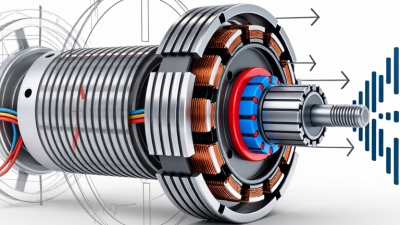
A permanent magnet stepper motor moves because its rotor carries permanent magnets and its stator contains energized coils. Switching current between coil phases pulls the rotor toward successive magnetic positions. The rotor advances in discrete steps, then holds position while current remains applied.

That matters. Unlike a brushed motor, it can move precisely without a position sensor in many simple applications, though missed steps remain possible under excessive load.

When comparing designs, check step angle, holding torque, rated phase current, winding resistance, and inductance. Holding torque describes a stationary rotor; it does not guarantee the same force at speed. Check the curve.

On a test bench, a motor may sound smooth unloaded, then stall when a lead screw meets friction or a heavy carriage. Supply voltage and the driver’s current limit affect how well winding current rises as speed increases. Microstepping can reduce vibration, but it cannot correct poor alignment or guarantee exact positioning under load.

A common selection mistake is choosing by frame size alone. Measure the real load, acceleration, duty cycle, and available cooling, then leave a practical margin. The datasheet is useful, but the machine’s temperature and sound deserve attention too.

Defining Motion, Torque, and Positioning Requirements

How to Choose a Permanent Magnet Stepper Motor in 2026

Defining Motion, Torque, and Positioning Requirements

Start with the motion. Describe the travel distance, direction changes, move time, and pauses. A small dosing wheel may need slow, repeatable turns; a sliding carriage may need quick starts and stops. Measure the actual load, including couplings and any parts that move with the shaft. Estimates can be misleading. Mine once was.

Set the positioning target in practical terms: required angle or travel, repeatability, and acceptable error. A motor’s step angle gives a useful starting point, but it does not guarantee exact positioning under load. Microstepping can make motion smoother, yet friction and changing torque may shift the final position. If the mechanism needs dependable feedback, consider an encoder rather than assuming open-loop steps always match movement.

Check torque across the full speed range, not just the holding-torque figure on a datasheet. Holding torque describes a stationary shaft; available torque usually falls as speed rises. Include acceleration, friction, vertical loads, and a sensible margin. Then test the motor with the real driver and supply voltage. Listen for missed steps, feel for excess heat, and watch for vibration near operating speeds. A test fixture may not perfectly reproduce the final machine, so leave room to revise the choice.

Matching Motor Ratings to the Driver and Power Supply

How to Choose a Permanent Magnet Stepper Motor in 2026

Matching Motor Ratings to the Driver and Power Supply

Match the driver’s phase-current setting to the motor’s rated phase current, not its supply-voltage label. Check whether both figures use RMS or peak values; confusing them can overheat windings. A 2.0 A motor paired with a driver set to 2.0 A peak may receive less current than expected if the rating conventions differ. Small details matter. The U.S. Department of Energy’s 2014 Improving Motor and Drive System Performance sourcebook estimates that motor-driven systems use about 68% of U.S. manufacturing electricity, underscoring why correct system sizing matters.

The motor’s winding voltage is not necessarily the supply voltage you should choose. With a current-regulating, chopper-style driver, a supply above the winding’s simple voltage rating can help current rise quickly, but it must remain within the driver’s input limits. For example, a 2.0 A winding with 1.2 ohms resistance has a 2.4 V resistive drop at standstill; that does not mean a 2.4 V supply is automatically the best choice. Check the driver manual, operating speed, and load torque.

Size the power supply using the driver maker’s input-current guidance, rather than adding motor phase-current ratings directly. Acceleration, simultaneous axes, cable losses, and supply voltage dips can change the result. Measure winding and driver temperatures during a realistic duty cycle. I would still leave margin, but not so much that it hides a poor match.

Comparing Shaft, Mounting, and Environmental Options

Choosing a permanent magnet stepper motor in 2026 means checking how its shaft, mounting, and environment fit the actual machine. A round shaft suits many couplings, while a D-shaft can reduce slipping when the clamp matches its flat. Measure shaft diameter and usable length, then check the coupling’s permitted misalignment. A small mismatch can cause vibration or wear.

Mounting details deserve equal attention. Compare the motor’s face pattern, hole spacing, and body clearance with the bracket or panel. A stiff, flat mounting surface helps limit movement during stepping. Leave room for the connector and wiring, too. Tight spaces make servicing harder. Avoid pulling the housing into alignment with mounting screws; that can distort the assembly.

Environmental ratings need context. Note expected temperature, dust, oil mist, condensation, and vibration near the motor. A protective enclosure may help, but seals can affect heat dissipation or shaft friction. Check the supplier’s stated limits and test the motor in the intended setup when conditions are uncertain. Real machines are messy. One overlooked detail: a motor that runs well on a clean bench may behave differently beside a warm drive or a vibrating frame.

How to Choose a Permanent Magnet Stepper Motor in 2026 — Comparing Shaft, Mounting, and Environmental Options

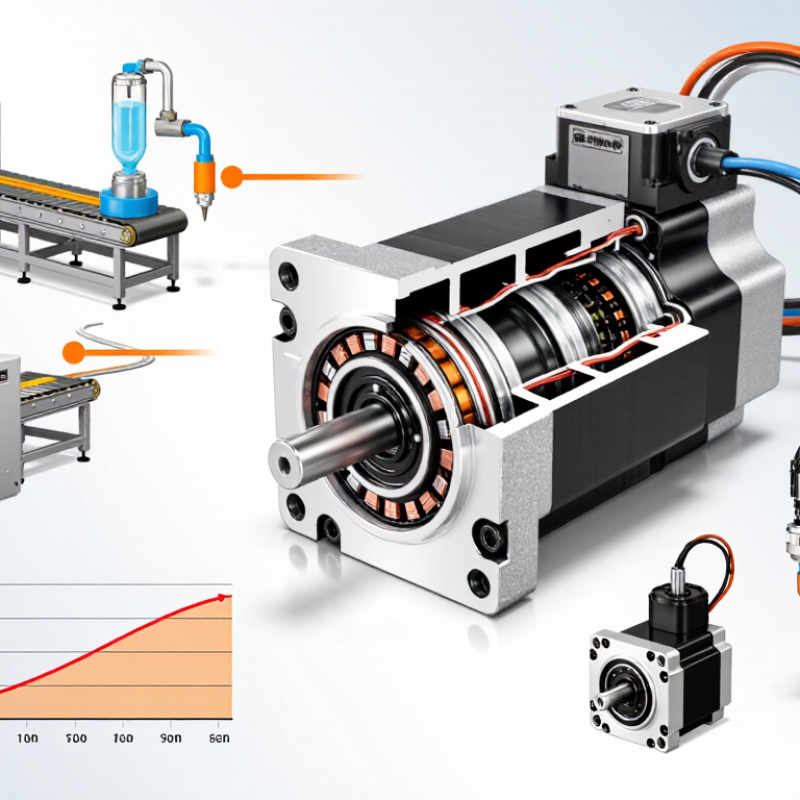
NEMA frame numbers indicate nominal mounting-face size in tenths of an inch. Choose a frame that fits your mounting space, then verify the shaft dimensions and environmental ratings—such as ingress protection and operating temperature—in the individual motor datasheet.

Verifying Performance, Compatibility, and 2026 Availability

A permanent magnet stepper motor should be checked under the conditions it will actually face. Compare its torque curve with the required speed and load, not just the headline holding-torque figure. That number can be reassuring, but it does not describe every operating point. Check winding voltage, rated current, resistance, and driver limits together. Then confirm the shaft diameter, mounting pattern, and connector layout against the machine drawing. Small mismatches can turn a straightforward replacement into a redesign.

Test a sample with the intended driver and load if possible. Watch for missed steps, excess heat, vibration, and noise during starts and stops. A motor that performs well on a bench may behave differently when attached to a belt, gear, or uneven load. One detail is easy to miss: temperature and duty cycle affect usable performance. Record the test conditions so later comparisons remain meaningful. Datasheets help, but they do not replace a practical check.

For 2026 availability, ask suppliers to confirm current production status, quoted lead time, and whether the listed specification applies to the exact configuration. Request written confirmation for custom shafts, wire lengths, or connectors. Check whether samples and repeat orders can be supplied on a similar schedule. Keep a technically compatible alternative under review, but verify its torque curve, dimensions, and driver requirements before treating it as interchangeable. Availability changes. Recheck before placing the order.

How to Choose a Permanent Magnet Stepper Motor in 2026 — Verifying Performance, Compatibility, and Availability
Selection Dimension What to Verify Practical Evaluation Compatibility Check 2026 Availability Check
Step angle and resolution Confirm the motor’s full-step angle and steps per revolution in its datasheet. Permanent-magnet stepper motors commonly use 7.5° or 15° full steps, equivalent to 48 or 24 steps per revolution, respectively. Verify the specific model rather than assuming a standard. Check that the controller supports the required step mode. Microstepping can make motion smoother, but does not guarantee proportionally improved absolute positioning accuracy. Request a current datasheet and written confirmation that the specified step angle applies to the exact orderable configuration.
Torque across the operating range Compare holding torque with the torque available at the required speed. Holding torque is a standstill rating. Stepper motor torque generally falls as speed increases; use the manufacturer’s torque-speed curve at the intended supply voltage and driver current. Include load inertia, acceleration, friction, and a suitable operating margin. Test for missed steps under the actual load profile. Ask for test conditions and the applicable performance curve for the current production version; do not compare torque values without matching conditions.
Winding current and resistance Check rated phase current, phase resistance, and winding connection. For a winding, rated voltage is related to current and resistance by V = I × R. A chopper current-regulated driver may use a supply voltage higher than the winding’s simple DC voltage rating, but it must be configured to limit phase current correctly. Set the driver current limit to the motor’s specified phase-current rating and follow the driver and motor instructions. Confirm whether ratings are stated per phase or per winding. Confirm the resistance and current ratings for the offered part revision, as electrical specifications can differ between configurations.
Wiring and driver type Identify the number of leads, coil pairs, and whether the winding is intended for bipolar or unipolar operation. Use the wiring diagram and, where appropriate, a resistance check to identify coil connections. Do not infer the wiring solely from wire colors. Verify that the driver supports the motor’s winding arrangement, phase count, current, and supply requirements. Disconnect power before changing motor wiring. Request the pinout or wiring diagram for the exact lead, connector, and harness option being quoted.
Speed, acceleration, and resonance Evaluate startup speed, acceleration, operating speed, and the application’s load profile. Stepper performance depends on the motor, driver, supply, and load together. Resonance can cause noise, vibration, or loss of synchronism in some operating ranges. Test the assembled system with the intended driver settings and load. Consider acceleration ramps and suitable mechanical damping where needed. Ask whether the quoted motor configuration has been tested at the required operating speed and duty cycle; request any available test data.
Mechanical fit and environment Compare frame dimensions, mounting pattern, shaft diameter and length, allowable shaft load, and connector clearance. Check the mechanical drawing and tolerances. Confirm temperature limits and any stated environmental protection before use in dusty, wet, or hot locations. Verify coupling fit, alignment, mounting stiffness, cable routing, and clearance throughout the full motion range. Confirm that the dimensions, shaft option, connector, and environmental rating are included in the current order specification.
Position holding and unpowered behavior Determine whether the axis must resist movement when the motor is unpowered. A permanent-magnet stepper can have detent torque with its windings unenergized, but this is not the same as rated holding torque and may not secure a load safely. For gravity-loaded or safety-critical axes, assess whether a separate brake or other load-retention method is required. Request the specified detent-torque data if unpowered resistance matters, and verify any brake option separately.
Supply continuity and lifecycle Verify stock status, production status, lead time, minimum order quantity, and change-notification terms. Availability can vary by seller, configuration, and date; a catalog listing alone does not establish inventory or future supply. Approve an exact part specification and identify acceptable alternates only after checking mechanical and electrical interchangeability. For a 2026 purchase, obtain a dated stock or lead-time confirmation, lifecycle status, and written notice of any planned specification or production changes.
Scroll to Top