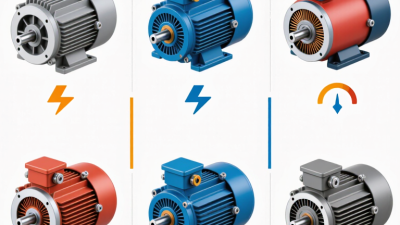
Choosing the best magnet engine starts with a clear picture of the work it must perform. The term can describe different motor designs, so confirm the intended type before comparing products. A compact unit for a model device has very different needs from a drive system running a pump or conveyor. Note the required torque, operating speed, supply voltage, available space, and expected hours of use. Small details matter. A motor that fits the frame may still overheat under a heavy, continuous load.
Check the manufacturer’s rated output, efficiency, temperature limits, and cooling requirements. Look for test data and installation guidance, not just a peak-power figure. Magnet strength alone does not determine performance; the winding, controller, bearings, and load all matter. Permanent magnets do not provide endless energy. The system still needs an external power source, and real components lose energy as heat and friction. That trade-off is real. Also consider dust, moisture, vibration, and maintenance access. Ask whether replacement parts and technical support are available. If possible, test a sample under the conditions it will actually face, then measure temperature, noise, and current draw. Specs can be incomplete. I would treat any selection as provisional until the motor has been checked against the real load. This practical approach helps match a magnet engine to its purpose without paying for capacity you cannot use—or choosing a unit that fails too soon.
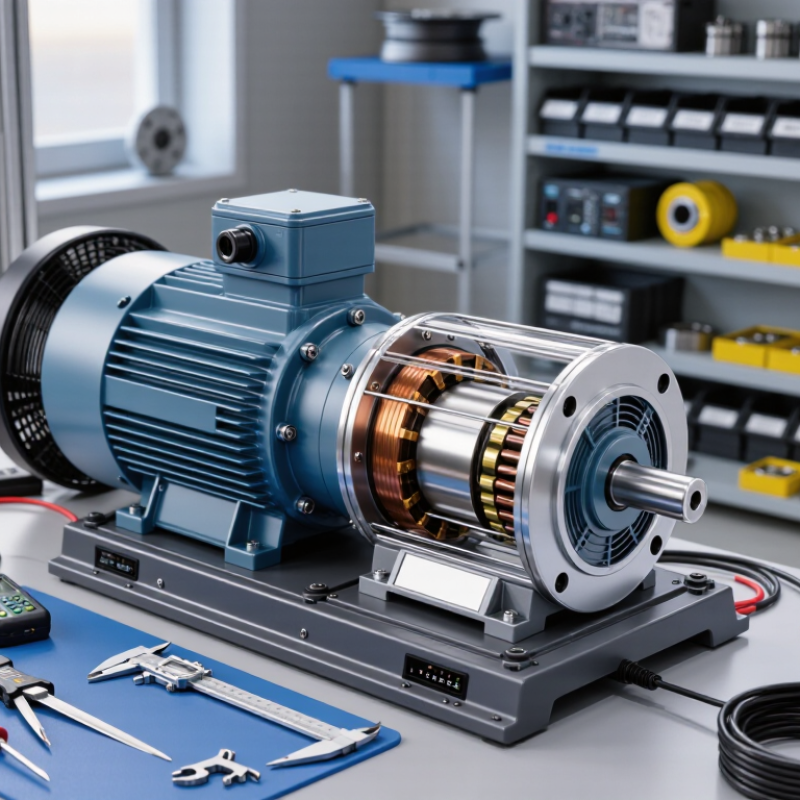
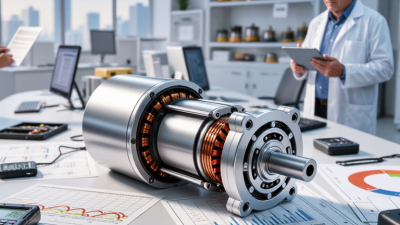
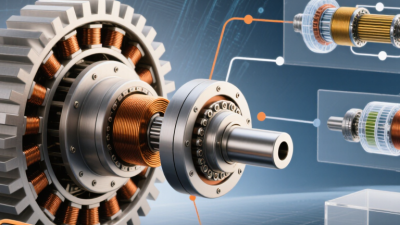
A magnet engine is usually an electric motor that uses magnetic fields to create motion. In a common design, current flows through coils in the stator, producing a magnetic field. Magnets on the rotor respond to that field, creating torque and turning a shaft. Switching the current at the right moment keeps the rotor moving. This process is called commutation. Not magic.
Permanent magnets can provide a steady field, but they do not supply endless energy. A motor needs electrical input, and some energy becomes heat, sound, or vibration. That detail is easy to overlook when comparing simplified diagrams with a working machine. In practice, friction and winding temperature also affect performance.
To choose a suitable motor, start with the load, required speed, starting torque, and duty cycle. A small fan and a loaded conveyor place very different demands on a motor. Check the power supply, mounting space, cooling method, and control requirements, too. A motor that looks efficient on paper may run hot in a cramped enclosure. Measure the real load if possible; estimates can be wrong. A careful test under typical operating conditions often reveals more than a headline specification.
Start with the load, not the motor’s headline rating. Estimate the torque needed to move your equipment, then note its target speed in revolutions per minute. Power depends on both: a motor may reach the desired speed but still stall when a belt, fan, or wheel is attached. Record startup demand as well as continuous demand. They can differ sharply. Measure, don’t guess. If possible, test the actual mechanism under its heaviest normal load, and leave reasonable capacity for brief peaks.
Next, define the operating conditions. Will the motor run for seconds at a time, or for several hours? Is it mounted in a warm enclosure, exposed to dust, or expected to start frequently? These details affect heating, cooling, protection, and the type of motor that makes sense. Check the available voltage and current, mounting space, shaft dimensions, and control requirements before comparing options. A specification sheet is useful, but it cannot capture every vibration or awkward startup. I would not trust a tidy calculation alone; real loads can behave badly. Recheck your assumptions after a trial run, especially if the motor gets hot, slows under load, or needs more current than expected.
Comparing Motor Designs, Magnet Materials, and Performance
Choosing a magnet engine starts with the job it must do. A brushed design is often simple to control, but its brushes wear over time. Brushless designs avoid that contact and can run efficiently, though they need compatible electronic control. Check the required speed, starting torque, operating hours, and available space. A motor that looks powerful on paper may struggle with repeated starts under load. That matters.
Magnet material affects size, heat tolerance, and cost. Ferrite magnets are generally economical and resist corrosion, but they may require a larger motor to deliver comparable force. Rare-earth magnets can provide strong magnetic fields in compact designs, yet performance still depends on motor construction and temperature. Compare efficiency across the actual working range, not just at peak output. Listen for vibration and check how warm the housing becomes during a realistic test. One short test is not enough.
Choosing a magnet engine starts with the work it must do. A unit running a small pump has different needs from one driving a conveyor for long shifts. Compare efficiency at the expected load, not just the best figure on a product sheet. A motor that spends most of its time lightly loaded may not deliver the savings you expect. Check power use, speed range, and operating temperature.
Weigh the purchase price against installation, control equipment, and energy costs over time. Ask for test data under conditions similar to yours, while allowing for uncertainty: real duty cycles rarely match laboratory tests. Safety deserves equal attention. Confirm that guards, grounding, insulation, and thermal protection suit the installation. Heat tells a story. If the casing runs unusually hot or vibration increases, inspect the system instead of assuming the motor is simply working hard.
Maintenance is modest, but not zero. Permanent magnets need no electrical excitation, yet bearings, seals, cooling passages, and connections still require routine checks. Consider whether qualified technicians can service the design and whether replacement parts are readily available. A compact, efficient engine may be a poor fit if access is awkward or downtime is costly. I would revisit the choice after several months; early estimates can miss dust, frequent starts, or changing loads. Small details matter.
Compare efficiency ranges, then weigh purchase cost, safety requirements, and maintenance against your application.
Indicative efficiency ranges vary with motor size, design, and operating load; compare tested ratings at the duty point you expect to use. Permanent-magnet motors can offer high efficiency, but magnet materials may increase purchase cost. Induction motors are widely available and avoid permanent magnets. Brushed DC motors need brush inspection and replacement, while brushless designs avoid brush wear. For every type, include electrical and thermal protection, guarding, and application-specific safety checks in your selection.
Choosing a permanent-magnet motor starts with the actual load, not the highest advertised efficiency. Start with the load. Record required torque, speed range, start-up frequency, and hours per day. A conveyor carrying heavy cartons needs strong low-speed torque; a ventilation fan usually runs steadily and rewards efficient operation near its normal speed. A motor selected only by peak power may struggle during starts or waste energy when lightly loaded.
Duty cycle matters. The U.S. Department of Energy’s 2014 motor-systems sourcebook reports that motor-driven systems use about 68% of electricity in U.S. manufacturing. The IEA 4E Electric Motor Systems Annex estimated a 46% share of global electricity consumption in its 2011 assessment. These figures describe broad system-level energy use, not savings guaranteed by one motor. They do show why matching rated output and controls to real operating conditions deserves attention.
Check continuous and peak torque, allowable speed, cooling, and the drive’s compatibility with the motor. Heat matters. For a pump in a warm, dusty room, verify the enclosure and cooling method; for intermittent machinery, confirm whether short overloads are permitted. Ask for efficiency data at the operating point, not just at full load, and compare it with expected hours and electricity use. Real machines are messier than the spreadsheet: belt friction, uneven loads, and frequent stops can change the answer. Measure twice.
Sources: U.S. DOE, Improving Motor and Drive System Performance (2014); IEA 4E, Energy-Efficiency Policy Opportunities for Electric Motor-Driven Systems (2011).