7 Best Perpetual Magnetic Motor Alternatives for Buyers?
The phrase perpetual magnetic motor attracts buyers seeking motion without fuel, charging, or maintenance. The physics is less exciting but important: magnets can exert force, yet they do not provide endless energy. A real motor needs a power source, and claims of unlimited output deserve careful scrutiny. That distinction matters.
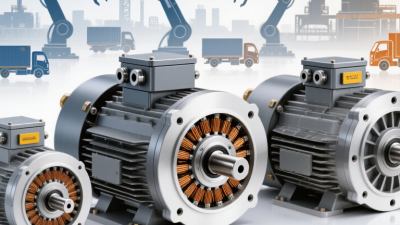
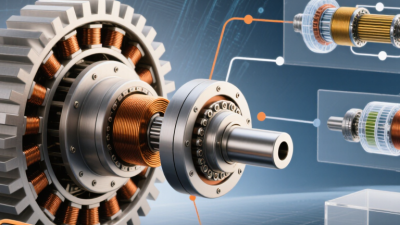
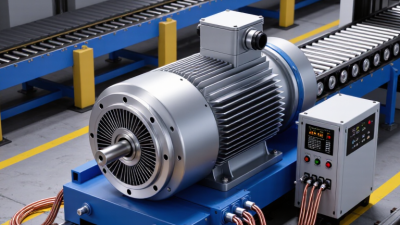
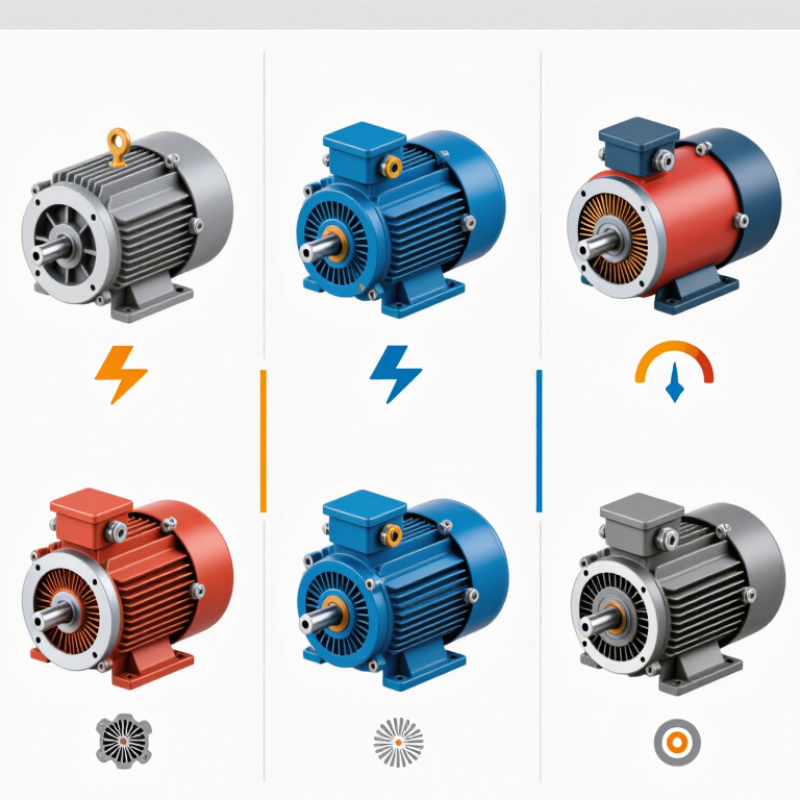
For practical purchasing, this guide compares seven motor alternatives: brushed DC, brushless DC, permanent-magnet synchronous, induction, stepper, servo, and switched-reluctance designs. Each suits different work. A compact brushless motor may fit a quiet ventilation fan, while a stepper can position a small camera mount precisely. An induction motor may make more sense for a workshop pump that runs for hours. No single option wins every job.
Compare rated voltage, continuous torque, speed range, efficiency, cooling, and controller requirements before choosing. Check the duty cycle, too; a motor that handles a brief load may overheat during repeated operation. Ask for a datasheet, warranty terms, and independent test details when available. Numbers need context. A high efficiency figure at one operating point does not guarantee the same result across the full speed range.
This overview is meant to support informed comparisons, not promise impossible performance. Some specifications remain difficult to compare across brands, and that can complicate buying. Start with the actual load, available power, and operating environment. Then weigh cost against reliability and service needs. The most suitable alternative may be less dramatic, but it should be measurable, supportable, and matched to your application.
Test Perpetual-Motion Claims Against Thermodynamics and Energy-Balance Principles
A permanent magnet can provide a steady magnetic field, but it does not supply unlimited energy. Any motor producing shaft power must receive energy from somewhere, and real systems lose some as heat, sound, and friction. The International Energy Agency’s 2011 report, Energy-Efficiency Policy Opportunities for Electric Motor-Driven Systems, estimates that motor-driven systems use about 46% of global electricity. That scale makes efficiency worth checking carefully. It does not make perpetual-motion claims more plausible.
For buyers comparing alternatives, ask for measured electrical input and mechanical output under the same load and operating time. A practical test uses a calibrated power meter, a known shaft load, and temperature readings taken after the motor warms up. Record the readings. If claimed output exceeds input, check stored energy, batteries, capacitors, hidden connections, and measurement error before accepting the result. Small errors matter. Compare conventional high-efficiency motors, suitable drives, and energy-storage options by duty cycle, maintenance needs, and total system losses. A magnet-heavy design may look simple on a bench, yet bearings and winding resistance still consume energy. I would be cautious, too: a short demonstration can be persuasive, but it cannot establish continuous net energy production.
7 Practical Alternatives to Perpetual-Motion Claims
Typical round-trip efficiency ranges for energy-storage technologies
Round-trip efficiency is the electricity recovered divided by the electricity used to charge the system. These indicative ranges vary with design and operating conditions; none implies energy creation. Every storage system requires an external energy input, and conversion losses are consistent with thermodynamic limits. Treat claims of sustained output without input with skepticism.
Compare Grid-Fed Motors: IEA Estimates Motor Systems Use About 45% of Global Electricity
Motor systems use about 45% of global electricity, according to estimates from the International Energy Agency. The exact share depends on how motor-driven equipment and system boundaries are counted. Still, the scale matters. A small efficiency gain in a pump, fan, or compressor can reduce electricity use over thousands of operating hours. Perpetual magnetic motors may sound appealing, but permanent magnets cannot provide continuous energy without an external input.
For buyers, compare practical grid-fed motors by efficiency, rated load, speed control, and expected duty cycle. A motor that runs steadily near its designed load may outperform an oversized unit that cycles often. Check the complete system, too: a poorly matched pump or leaky duct can erase motor savings. Ask for test data under conditions similar to your site, not only a headline efficiency figure. I would not choose on purchase price alone; operating hours change the calculation, and estimates can be imperfect.
Tips: Record operating hours and load before replacing equipment. Check alignment, airflow, and maintenance history. Compare annual energy use, not just nameplate ratings. Small details count.
Assess Solar and Battery Storage Using DOE Round-Trip-Efficiency Metrics
For buyers weighing solar and battery storage against claims of perpetual magnetic power, measurable performance matters more than impressive demonstrations. The U.S. Department of Energy uses round-trip efficiency to describe how much stored energy can be returned after charging. It is calculated as energy discharged divided by energy used to charge the system.
An illustrative result: 10 kilowatt-hours in and 8.5 out equals 85 percent. That matters.
Check how the figure was measured. An AC-to-AC test includes conversion losses from inverters, while a DC-to-DC test may not. Compare figures only when the measurement boundary, test duration, and operating conditions are similar.
Solar panels generate electricity; batteries shift some of that energy to later hours. Neither creates energy without an input. Ask for usable capacity, standby consumption, and performance at realistic temperatures, not just a headline efficiency. A battery’s condition can also change with age and use.
The comparison is imperfect: household shading, evening demand, and cloudy weather vary. A sunny roof and a modest battery may suit one home, while another needs more storage or grid power. Round-trip efficiency is useful, but it cannot predict a bill by itself.
Compare Wind, Microhydro, Fuel Cells, Generators, and Energy-Harvesting Systems
A perpetual magnetic motor cannot provide continuous net power without an energy input.
Buyers seeking practical alternatives can compare wind turbines, microhydro, fuel cells, engine generators, solar panels, batteries, and energy-harvesting devices.
Different jobs.
IRENA’s Renewable Capacity Statistics 2024 reports roughly 1,017 GW of installed wind capacity and 1,268 GW of hydropower worldwide at the end of 2023. Those figures show deployment, not what a specific property can produce.
Wind suits exposed sites, but output changes with weather and turbine height.
Microhydro may deliver steadier power where stream flow and elevation are suitable.
Check the site.
Measure seasonal flow, not just a springtime stream.
Fuel cells can offer quiet, continuous electricity when supplied with fuel; the U.S. Department of Energy’s Fuel Cell Handbook reports electrical efficiencies around 40–60% for several stationary fuel-cell types.
Engine generators are dispatchable, though fuel use, noise, and maintenance matter.
Solar panels paired with batteries can cover daytime loads and shift some energy into evening hours.
Batteries store electricity; they do not create it.
Small harvesters that capture vibration, heat, or light are usually better suited to sensors than whole buildings.
One weak point in many comparisons is peak-output figures: they can look impressive while hiding seasonal dips and service costs.
Compare usable output against your actual load, site conditions, and maintenance capacity.
Select Among Seven Alternatives Using IEC 60034-30-1 Ratings and Life-Cycle Cost
Buyers assessing alternatives to a “perpetual magnetic motor” should compare verified performance, not promises of endless output. No motor creates energy. The IEA’s Energy Efficiency 2023 report estimates that electric motor-driven systems consume about 45% of global electricity. Seven practical options include IE4 induction motors, synchronous-reluctance motors, permanent-magnet synchronous motors, switched-reluctance motors, brushless DC motors, servo motors, and high-efficiency brushed DC motors. Each suits different loads and controls.
Use IEC 60034-30-1 efficiency classes only where the motor falls within the standard’s scope. Check the edition and nameplate; IE labels are not a universal comparison for every servo or drive-fed system. Ratings describe defined test conditions, while a pump running at partial load may use energy quite differently. Measure the real duty cycle.
Compare life-cycle cost, not purchase price alone: include electricity, drive losses, maintenance, downtime, and replacement. The U.S. Department of Energy’s Improving Motor and Drive System Performance sourcebook recommends evaluating the complete motor system, including driven equipment and controls. Record operating hours, load, and local electricity rates, then estimate annual kWh for each option. A spreadsheet can still miss changing production schedules. That matters. A slightly higher-priced motor may cost less over years of steady operation, but buyers should verify the assumptions against actual site data.