Top 10 PMSM Motor Manufacturers for Electric Vehicles
Electric vehicles are moving from early adoption into everyday transport. The International Energy Agency reported more than 17 million electric cars sold worldwide in 2024, representing over 20% of new-car sales. Behind many of these vehicles sits the pmsm motor for electric vehicles, valued for high efficiency, strong torque density, and compact packaging.
That growth is reshaping motor manufacturing. The U.S. Department of Energy identifies permanent-magnet motors as a major electrified-powertrain technology, especially where efficiency and weight matter. A typical drive unit may fit inside a small housing, yet deliver rapid acceleration, regenerative braking, and quiet operation. These details influence vehicle range, thermal design, service life, and production cost.
This article examines ten leading PMSM motor manufacturers serving the electric-vehicle market. The selection considers production scale, engineering capability, vehicle partnerships, efficiency claims, and global reach. Public company filings, IEA market data, DOE technical resources, and manufacturer documentation provide the evidence base. No ranking is perfectly universal. Some suppliers disclose little motor-level data, while others combine motors, inverters, and complete e-axles. That makes direct comparison difficult, and sometimes uncomfortable. A strong factory footprint does not automatically mean the best motor. Likewise, a high peak-efficiency figure may hide cooling, software, or rare-earth material challenges. Readers should treat this list as a practical industry guide, not a final verdict. The real test remains consistent performance on the road, from a cold morning start to a long highway climb.
PMSM Motors: Definition, Design, and Role in Electric Vehicles
PMSM Motors: Definition, Design, and Role in Electric Vehicles
A permanent magnet synchronous motor uses magnets on or inside its rotor. The rotor follows the rotating magnetic field created by the stator. This synchronous motion reduces slip and supports efficient electric vehicle operation.
The stator contains copper windings arranged around a laminated steel core. An inverter controls current, torque, and rotational speed with precise timing. Interior PMSM designs can deliver strong torque and useful field weakening at higher speeds. Surface-mounted designs are simpler, but they may need more protection against mechanical stress. Cooling channels matter greatly. Heat trapped near the windings can reduce insulation life and weaken performance. During practical testing, engineers check efficiency, vibration, noise, temperature, and response under changing loads. A smooth test result is not enough. Real roads are less forgiving.
Tips: Check the motor’s continuous power, peak torque, cooling method, and operating voltage. Compare performance across city traffic, steep grades, and highway speeds. Do not judge a motor by peak efficiency alone. A compact design can look attractive, yet service access may be difficult. Engineers should also examine magnet retention, rotor balance, and inverter compatibility. No design is perfect. PMSM technology offers high power density and regenerative braking support, but rare-material dependence, heat management, and control complexity still require careful decisions.
Top 10 PMSM Motor Manufacturers for Electric Vehicles - PMSM Motors: Definition, Design, and Role in Electric Vehicles
PMSM traction motors typically deliver their highest efficiency around the mid-to-high load range, while efficiency decreases at very light load and near maximum torque.
The chart presents a representative, non-brand-specific PMSM efficiency profile at normalized torque points. Actual results vary with motor size, cooling system, inverter calibration, speed, battery voltage, and vehicle operating conditions.
Key Criteria for Evaluating PMSM Motor Manufacturers
When comparing candidates for a top-ten PMSM shortlist, efficiency is only one measure. A credible manufacturer should provide efficiency maps across speed, torque, and temperature, not just one laboratory peak. Ask for evidence. Review rotor strength, magnet retention, insulation quality, cooling performance, and demagnetization resistance. In road testing, observe how the motor behaves during hills, traffic, and repeated acceleration. Numbers can mislead.
The evaluation should include noise, vibration, and harshness data from complete vehicle tests. Inspect the test conditions, sampling methods, and measurement equipment. A strong engineering team explains unexpected results instead of hiding them. Request prototype reports, endurance records, failure analyses, and software calibration procedures. Pay attention to thermal control near the winding hot spot, where small errors can shorten service life. Test the details.
Manufacturing capability matters as much as design quality. Verify process controls for magnet placement, rotor balancing, winding consistency, and final inspection. Ask how suppliers manage traceability when a batch shows unusual vibration. Review warranty terms, spare-part access, response times, and field-service training. Independent certifications can support credibility, but they do not replace practical evidence. Field data deserves more weight than polished presentations. I would not ignore delivery capacity, although forecasts are often imperfect. Some selection decisions remain uncertain. That uncertainty deserves documentation.
Profiles of the Top 10 PMSM Motor Manufacturers
Top 10 PMSM Motor Manufacturers for Electric Vehicles
Profiles of the Top 10 PMSM Motor Manufacturers
This profile compares ten leading PMSM manufacturers by engineering depth, production scale, and electric vehicle experience. The first focuses on hairpin stators and automated winding, helping reduce copper loss in compact drive units. The second specializes in interior permanent magnet rotors, balancing torque density with highway efficiency. The third develops liquid-cooled motors for electric buses and heavy vehicles. Its validation process includes thermal cycling and extended dynamometer tests.
The fourth manufacturer builds modular motors for passenger cars, allowing easier adaptation across platforms. The fifth emphasizes low-noise operation, using carefully shaped magnets and refined rotor balancing. The sixth supplies integrated motor, inverter, and gearbox systems. This approach saves installation space. The seventh is known for high-speed motor designs, although high rotational speed increases bearing and cooling demands. The eighth concentrates on affordable mass production and maintains strict end-of-line testing. Cost matters.
The ninth manufacturer invests in silicon-steel optimization and advanced electromagnetic simulation. These tools can improve efficiency, but real-road results still depend on software calibration and driving habits. The tenth develops motors for commercial fleets, where durability, service access, and predictable maintenance are critical. Independent testing remains important because published efficiency figures may use different conditions. No supplier is flawless. Buyers should inspect winding quality, magnet retention, cooling performance, warranty data, and after-sales support before selecting a PMSM partner.
PMSM Motor Technologies, Performance, and Vehicle Applications
PMSM Motor Technologies, Performance, and Vehicle Applications
The top ten PMSM motor manufacturers compete on efficiency, thermal control, and production consistency. Their designs use permanent magnets and three-phase inverters to deliver high torque from a compact package. The IEA Global EV Outlook 2024 recorded nearly 14 million electric car sales in 2023. That volume increases demand for reliable traction motors.
Most modern PMSM systems achieve peak efficiencies above 90%, according to U.S. Department of Energy vehicle technology assessments. However, peak figures can mislead. A motor may perform efficiently on a test bench, then lose output during climbing, towing, or repeated fast charging. Engineers therefore examine the full drive cycle, not one impressive number. Liquid cooling jackets, hairpin windings, and optimized rotor laminations help control heat near the stator teeth.
Vehicle application changes the ideal motor. A small urban vehicle may prioritize low cost and light weight. An electric SUV needs stronger launch torque and sustained cooling. High-speed models require careful rotor containment and noise control. Rare-earth magnet exposure also matters, because the IEA’s Global Critical Minerals Outlook 2024 highlights supply concentration risks for critical materials. A magnet-free design can reduce that risk, but usually sacrifices power density. The ranking is not absolute. I still question any comparison that ignores repair access, inverter matching, and performance after years of vibration. A quieter motor is not automatically a better motor.
Market Trends and Future Developments in EV PMSM Manufacturing
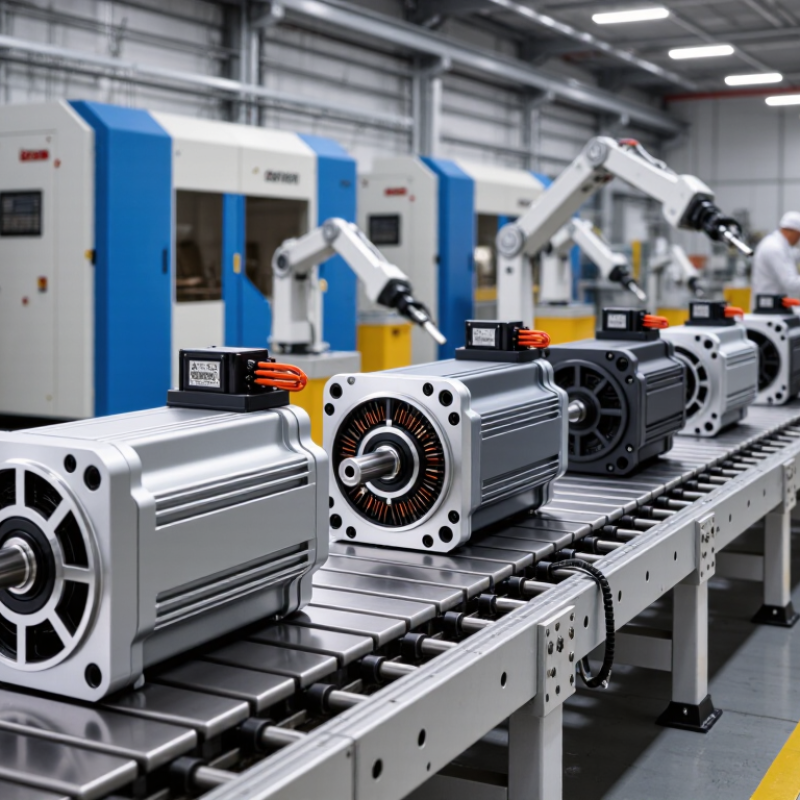
The global electric vehicle market is pushing PMSM manufacturers toward higher efficiency, quieter operation, and lower production costs. Across leading suppliers, automated hairpin winding is becoming more common. It improves copper fill and supports consistent output. However, complex welding can increase repair rates when quality controls are weak.
Manufacturers are also developing thinner electrical steel, stronger magnets, and improved cooling channels. These changes help motors deliver stable torque during steep climbs and repeated urban acceleration. Digital testing is gaining importance. Engineers now monitor vibration, temperature, insulation resistance, and efficiency across thousands of operating cycles. Buyers should examine these records instead of trusting performance claims alone. Real data matters.
Supply chain resilience is shaping future factory decisions. Producers are seeking regional sources for magnets, copper, and precision bearings. Some facilities are adding flexible production lines to serve several vehicle platforms. This approach can reduce tooling waste, but it may slow early production. The trade-off is not always clear. Recycling magnets and recovering copper will also become more important as vehicle volumes rise. Yet recycling capacity remains uneven across markets. Future PMSM leaders will likely combine manufacturing experience, traceable testing, and software-based design improvements. They must also admit where their systems still need refinement.