What Is the Best Axial Flux Permanent Magnet Motor in 2026?
The best axial flux permanent magnet motor in 2026 depends on more than peak power. Buyers should compare continuous output, torque density, efficiency across real operating speeds, cooling needs, inverter compatibility, reliability, and production support. A striking peak figure can look impressive on a test sheet; it matters less if the motor cannot sustain performance in a hot, cramped vehicle bay.
The market context is expanding. The International Energy Agency’s Global EV Outlook 2025 reports that electric-car sales were expected to exceed 20 million worldwide that year, representing more than one-quarter of new-car sales. That growth raises demand for compact, efficient drive systems, but it does not make every axial-flux design the right choice. YASA founder and motor engineer Dr. Tim Woolmer has described the technology’s promise this way: “Axial flux motors are the future of electric motors.” The phrase captures its appeal, not a guarantee. Real results depend on the complete system, including magnets, stator design, thermal management, and manufacturing quality.
This guide compares leading 2026 options using published specifications and practical selection criteria. It also flags where evidence is thin: independently verified, like-for-like motor tests remain limited. That matters. A lighter motor is useful, but only when its cooling, durability, and supply chain hold up beyond the brochure.
What Defines an Axial Flux Permanent Magnet Motor?
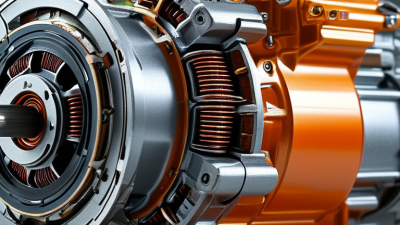
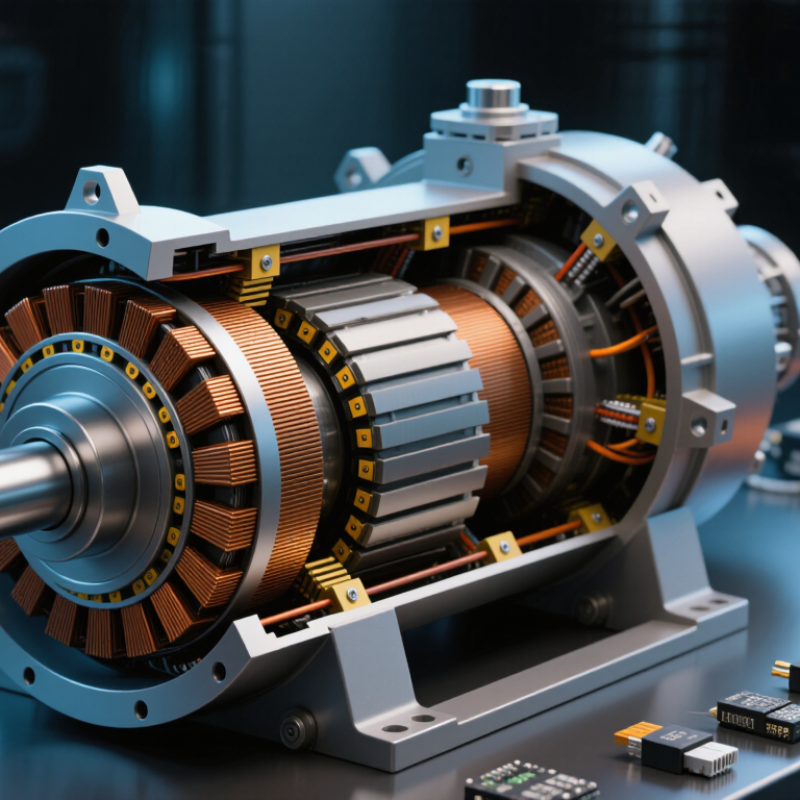
An axial flux permanent magnet motor is defined by the direction its magnetic field travels. The flux crosses the air gap parallel to the motor shaft, rather than moving radially across it. Its rotor and stator usually form flat, disk-like layers. Permanent magnets sit on the rotor, while copper windings in the stator carry current. The magnetic interaction produces rotation. The name describes the motor’s geometry, not a guaranteed level of performance.
That geometry can support a short, wide package and high torque for a given motor mass. But the shape alone proves little. Designers must control the narrow air gap, keep the rotor and stator aligned, and manage heat around the windings and magnets. A slight gap variation can affect force and vibration. Practical evaluation should include continuous torque, cooling needs, operating speed, and the load’s duty cycle. Peak figures can be impressive, but they do not describe sustained operation. Not a magic shortcut. Axial-flux designs also involve trade-offs in manufacturing, stiffness, and thermal management. Their suitability depends on the complete system, not one headline specification.
How Axial Flux Motors Differ in Design and Performance
What Is the Best Axial Flux Permanent Magnet Motor in 2026?
How Axial Flux Motors Differ in Design and Performance
Axial-flux motors direct magnetic flux parallel to the shaft. Many use disc-shaped rotors and stators, unlike the cylindrical layout of radial-flux motors. This can create a short, wide package and place active material farther from the shaft, supporting high torque. In a vehicle or machine, that shape may fit between closely spaced components, but it needs more width. Designs vary in rotor count, air-gap layout, cooling, and magnet arrangement. No single geometry wins everywhere.
Performance depends on more than peak power. A larger effective radius can support high torque at lower speeds, while low rotor mass may help acceleration. Yet disc structures need careful control of stiffness and air-gap alignment. Heat matters, too. Copper losses warm the windings, and high temperatures can reduce magnet performance. Cooling passages, operating speed, and continuous-load ratings matter more than a headline figure. Test data should specify voltage, temperature, and duty cycle; otherwise, comparisons can mislead. A neat lab result may not predict stop-and-go use.
Tips: Compare continuous torque, not just peak torque. Check mass, cooling, and test conditions. Ask how output changes after sustained heat. Packaging can decide the choice. Specification sheets rarely tell the whole story.
Which Specifications Matter When Comparing Motors in 2026?
When comparing axial flux permanent magnet motors in 2026, look beyond peak power and headline torque. Check continuous output, torque across the operating-speed range, and efficiency at the loads your application actually sees. The IEA’s Global EV Outlook 2024 reports that electric car sales exceeded 14 million in 2023, making real-world efficiency and thermal performance increasingly important. That figure describes the wider market, not axial flux adoption.
Ask for a full efficiency map, not one best-case percentage. Compare motors at matching voltage, speed, load, and coolant temperature. IEC 60034-2-1 sets methods for measuring electrical-machine losses and efficiency, helping make test results more comparable. Check continuous torque after the motor reaches thermal equilibrium; a brief peak can look impressive. Cooling details matter. A compact housing may restrict heat removal during repeated acceleration.
Also compare total system mass, maximum speed, cooling requirements, and inverter compatibility. Confirm whether quoted power includes limits imposed by the controller or battery. Torque density is useful, but only when the measurement includes the same components. I would still treat early test figures cautiously: test conditions are often easy to overlook, and that can distort a comparison. Request independent test data and the operating conditions behind every number.
How Leading Axial Flux Motor Types Compare by Application
What Is the Best Axial Flux Permanent Magnet Motor in 2026?
How Leading Axial Flux Motor Types Compare by Application
The best axial flux motor depends on its job, not just its power rating. A dual-rotor, single-stator design can deliver high torque in a compact package. That makes it useful for direct-drive machinery, where low-speed pulling force matters. Its short, disc-shaped layout can also fit tight spaces. But cooling and rotor alignment need careful attention.
For electric vehicles and industrial drives, a double-stator arrangement may offer a practical balance. Two active stators can increase electromagnetic output, while the central rotor keeps the assembly compact. It suits applications with limited installation space and demanding torque needs. Check how heat leaves the windings. A strong motor on paper can still struggle when airflow is restricted.
Coreless designs remove iron from the stator. They can reduce cogging and iron losses, which helps in quiet, smooth-running equipment such as precision instruments. They may also be lighter. However, managing heat and mechanical stiffness can be harder. That trade-off is easy to underestimate. Yokeless segmented designs offer another route, reducing core material while keeping a tooth structure for the windings. They can suit weight-sensitive equipment, but assembly and manufacturing tolerances matter. The right choice comes from the duty cycle, cooling method, space, and maintenance plan. A little more detail about the real operating conditions often changes the answer.
Axial Flux Permanent Magnet Motor Types by Application (2026)
Scores are qualitative design-fit ratings from 1 (limited fit) to 5 (strong fit), not measured or standardized performance data. Actual suitability depends on the motor’s power, cooling, speed, cost, and operating requirements.
How to Choose the Best Axial Flux Motor for Your Needs
The best axial flux permanent magnet motor depends on the job, not a headline torque figure.
The IEA’s Global EV Outlook 2024 reports nearly 14 million electric cars sold in 2023, around 18% of global car sales. That growth makes motor selection more consequential, but it does not make one design right for every vehicle. Axial flux motors can provide strong torque in a short axial package; their larger diameter may complicate tight layouts. Fit matters more.
Start with the duty cycle. For a compact vehicle, check continuous torque, peak torque duration, operating speed, and cooling capacity. A brief peak rating can look impressive while sustained climbing heats the windings. Ask for efficiency maps across the speeds and loads you will actually use, not just peak efficiency. Then confirm inverter voltage, mounting dimensions, shaft loads, and service access. I would not choose from torque density alone; that is an easy trap. A 2023 U.S. Department of Energy Vehicle Technologies Office assessment emphasizes evaluating electric-drive components as part of the complete system, rather than in isolation. Request thermal and dynamometer test conditions, too. If a supplier’s figures are unclear, treat that uncertainty as a real selection risk.