How to Choose an Imperial Electric Permanent Magnet Motor
Choosing an imperial electric permanent magnet motor requires more than comparing rated horsepower. The right choice begins with the elevator, conveyor, or machine’s actual duty cycle. Record load, acceleration, stopping frequency, speed range, voltage, and available installation space. Small details matter.
The International Energy Agency reports that electric motor systems consume approximately 53% of global electricity. Its Energy Efficiency 2023 analysis identifies motor-system upgrades as an important efficiency opportunity. The U.S. Department of Energy’s Motor Systems Market Assessment also emphasizes system-level evaluation, including controls, operating profiles, and maintenance. These findings support a practical point: efficiency on a nameplate may not equal efficiency in service. A motor operating near its ideal load can outperform a larger, poorly matched unit.
Dr. Martin Doppelbauer, a motor-systems specialist at Karlsruhe Institute of Technology, stated, “Electric motors are the workhorses of our modern society.” That perspective is useful when assessing an imperial electric permanent magnet motor. Permanent magnets can provide high torque density, precise control, and reduced rotor losses. Yet the design is not automatically the best fit. Thermal limits, drive compatibility, encoder feedback, braking behavior, and service access deserve equal attention. Ask for measured efficiency curves, not only marketing claims. Check performance under repeated starts, warm conditions, and partial load. Reality is often less tidy. A technically impressive motor can still disappoint when installation constraints, controller settings, or maintenance skills are overlooked. This guide examines those trade-offs and develops a selection method grounded in published data, field experience, and verifiable manufacturer documentation.
Identify the Application Requirements and Operating Conditions
Choosing an imperial electric permanent magnet motor starts with the application, not the nameplate.
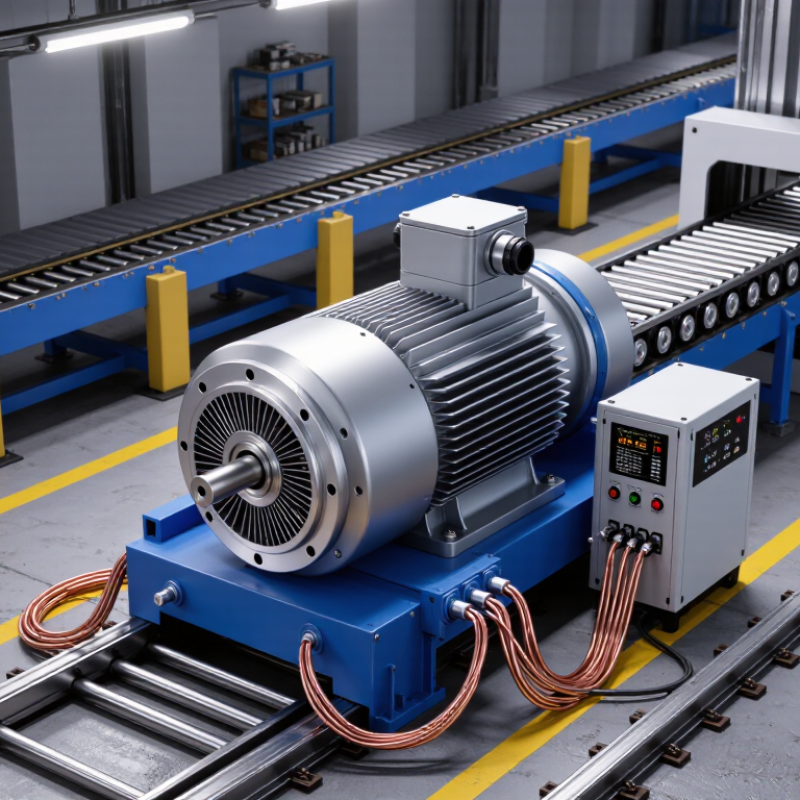
Measure the driven load during startup, acceleration, and steady operation. A conveyor may need high torque at low speed, while a pump often demands smoother continuous output.
Measure the load.
Record rated power, peak torque, speed range, duty cycle, and expected starts per hour. Include the gearbox ratio and shaft inertia. These details can expose a motor that appears powerful but stalls during acceleration.
Operating conditions deserve equal attention. Check ambient temperature, altitude, humidity, dust, vibration, and available cooling airflow. A motor inside a sealed cabinet may lose capacity as heat builds. Verify the enclosure rating for washdown or dusty areas. Also confirm inverter compatibility, feedback requirements, braking behavior, and cable length.
Permanent magnet motors can generate voltage when their shafts rotate, so the drive and maintenance procedure must address that condition safely.
Shaft loading is often overlooked. Radial force from a belt, misalignment, or an oversized coupling can shorten bearing life. Ask for thermal limits, insulation data, bearing ratings, and efficiency across the actual speed range. Do not rely only on peak efficiency.
A spreadsheet may look convincing, yet real loads fluctuate. I have seen selection errors caused by optimistic duty-cycle estimates. Recheck measurements during the busiest production period, when the motor is hottest and least forgiving.
Compare Motor Specifications, Performance, and Efficiency Ratings
Choosing an imperial electric permanent magnet motor requires more than matching horsepower. Compare voltage, rated torque, speed range, frame dimensions, shaft size, and mounting holes. A motor can fit the machine but still fail under real load.
Check continuous torque, peak torque, and duty cycle together. For example, a conveyor may run at 1,750 rpm but require heavy torque during startup. A motor rated only by peak output may overheat during repeated acceleration. Thermal limits matter.
Efficiency deserves careful attention. Do not select a motor by its highest published percentage alone. Ask whether the rating applies at full load, partial load, or a specific speed. Permanent magnet motors often perform efficiently across changing loads, but the controller can affect actual results. Measure input power, output speed, and torque during a typical shift.
Noise and heat reveal practical performance.
Review the insulation class, cooling method, enclosure rating, and operating temperature. In dusty areas, a sealed enclosure may protect reliability, while poor ventilation can reduce efficiency. An encoder can improve speed control, but it also adds wiring and maintenance requirements.
I once treated a specification sheet as a complete answer. That was too optimistic. Installation alignment, cable length, and controller tuning changed the result. Compare test data from comparable conditions, and request verified curves rather than relying on a single efficiency figure. A small spreadsheet can expose hidden energy losses before purchase.
Evaluate Permanent Magnet Materials and Motor Construction
Choosing a permanent magnet motor starts with its magnetic material.
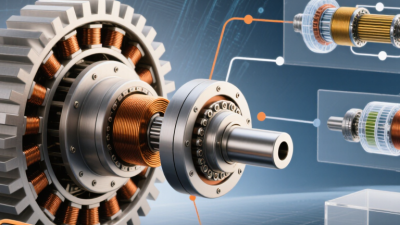
Neodymium magnets provide high torque density and compact rotor designs. Ferrite magnets cost less and tolerate some harsh environments. However, they usually require a larger motor for the same output.
Compare the magnet’s temperature rating with the machine’s measured operating temperature.
A warm enclosure can quietly reduce magnetic strength over time. Small details matter.
Construction also determines reliability.
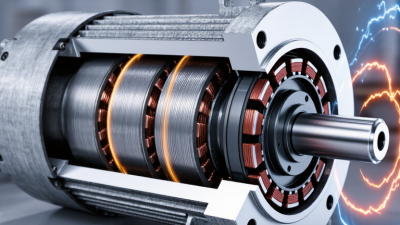
A sealed rotor helps block dust, moisture, and conductive particles. Stainless hardware can resist corrosion near washdown areas. The stator should use low-loss electrical steel and secure windings. Check the insulation class, bearing arrangement, shaft tolerance, and cooling path. Poor heat removal may shorten magnet and bearing life.
Look inside.
During evaluation, request test data at rated speed, overload conditions, and partial load.
Efficiency at one operating point can hide losses elsewhere. Ask how demagnetization, vibration, and insulation resistance were verified. In practical installations, alignment errors often create noise and bearing stress. I would also inspect cable glands and terminal seals, because these small parts are easy to overlook.
A spreadsheet cannot capture every weakness. Sometimes, the quieter motor is not the better choice if its service access is poor. Consider replacement time, technician skill, and available measurement tools before approving the final construction.
Check Compatibility with the Drive, Controls, and Installation Space
How to Choose an Imperial Electric Permanent Magnet Motor
An imperial electric permanent magnet motor must match the drive before performance is considered. Check rated voltage, continuous current, peak current, and required speed range. The drive should support permanent magnet motor control, including correct rotor-position feedback. Resolver, encoder, and sensorless systems are not always interchangeable. Confirm commutation settings with the motor manual. A mismatch may cause vibration, overheating, or a failed start.
Controls also need careful review. Verify the controller’s communication method, fault inputs, braking functions, and emergency-stop circuit. Regenerative energy can raise the DC bus voltage during rapid deceleration. The braking resistor and protection settings must handle that event. I have seen systems appear stable during light testing, then trip under full load. Paper compatibility is not enough. Test realistic acceleration, load changes, and stopping cycles.
Tips:
Measure the installation area before ordering. Record shaft height, flange dimensions, shaft length, cable exit direction, and cooling clearance. Leave room for connectors and safe cable bending. Check ambient temperature, dust, moisture, and mounting orientation. A motor may fit the frame but block airflow. That mistake is easy to miss. Compare actual machine inertia with the motor’s recommended load range, and confirm grounding points with a qualified technician. Recheck every value against the latest technical documentation.
Assess Reliability, Maintenance Needs, Warranty, and Total Cost
How to Choose an Imperial Electric Permanent Magnet Motor
Assess reliability through evidence, not polished promises. Request vibration readings, thermal test records, insulation results, and rated-load efficiency data. A motor that runs quietly in a showroom may behave differently beside dust, heat, or frequent starts. Check bearing quality, shaft alignment requirements, cooling design, and protection ratings. These details often predict service life better than marketing language.
Maintenance needs are usually modest, but they are not zero. Permanent magnet motors still require bearing inspections, ventilation cleaning, cable checks, and periodic vibration monitoring. Ask whether technicians can access key parts without removing the entire motor. Clarify spare-part availability and recommended inspection intervals. A simple maintenance log, showing temperature and vibration trends, can reveal trouble before production stops. Small records matter.
Warranty terms deserve careful reading. Confirm coverage length, labor responsibility, transport costs, and exclusions for overload or poor installation. Ask how quickly technical support responds after a failure. Then calculate total cost, including the controller, installation, energy use, planned maintenance, spare parts, and possible downtime. A higher purchase price may be reasonable when efficiency and serviceability are stronger. Still, efficiency estimates can be optimistic. Use your actual load profile, not an ideal operating point.