Top IPM SynRM Motor Manufacturers and Suppliers?
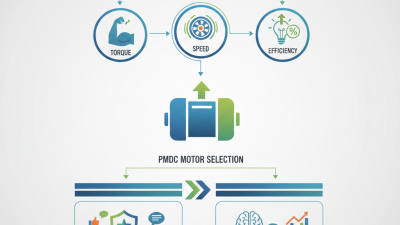
The growing focus on the ipm synrm motor reflects a practical industrial problem: electric motor systems consume nearly half of global electricity, according to the International Energy Agency’s Energy Efficiency 2023 report. Even small efficiency gains can reduce heat, operating costs, and carbon emissions across pumps, compressors, conveyors, and machine tools.
IPM SynRM technology combines permanent magnets with synchronous reluctance principles. This design can deliver high torque density, strong efficiency, and reduced rotor losses. The U.S. Department of Energy’s Motor Systems Market Assessment identifies motor-driven equipment as a major industrial energy load. That makes motor selection a financial decision, not merely an engineering preference. It is also an application decision.
Professor Juha Pyrhönen of LUT University has emphasized that “the motor must be designed as part of the drive system.” That principle remains important when comparing leading manufacturers and suppliers. A nameplate rating does not reveal everything. Actual performance depends on the inverter, control strategy, load profile, cooling method, and installation quality.
The picture is not perfectly clean.
Marketing claims often report peak efficiency under controlled conditions. Factory results may differ. Buyers should examine verified test data, IE efficiency classifications, thermal limits, magnet-retention design, service support, and total cost of ownership. This guide reviews major IPM SynRM motor manufacturers and suppliers through those practical criteria, while recognizing that regional availability and published data can change.
IPM SynRM Motors: Structure, Operating Principles, and Key Advantages
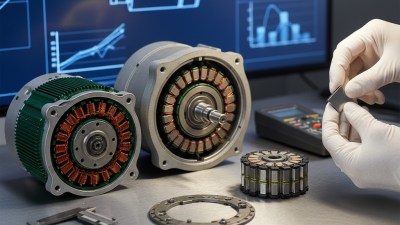
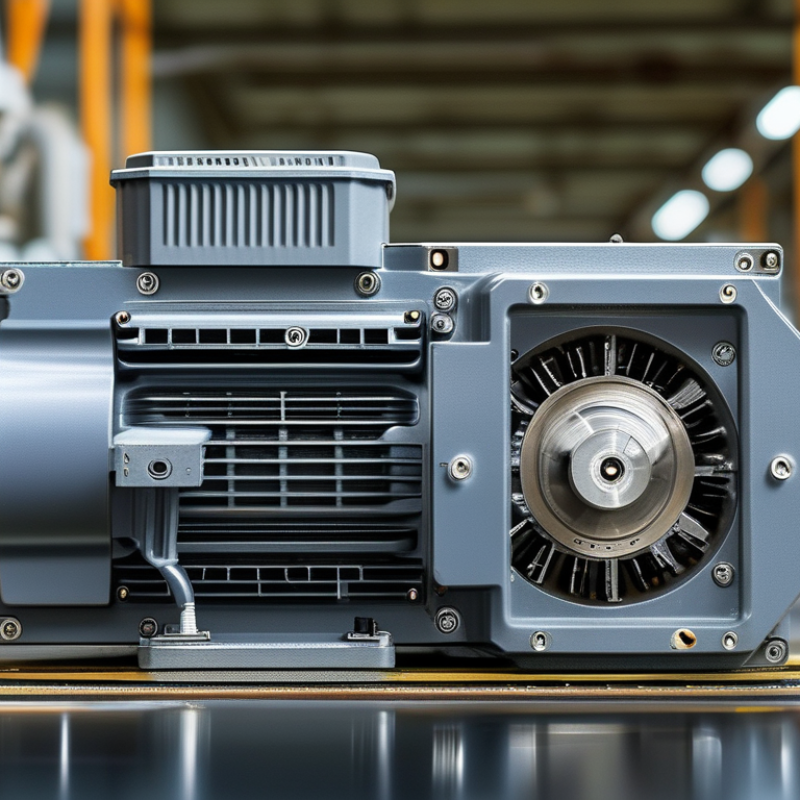
An IPM SynRM motor combines interior permanent magnets with synchronous reluctance torque. Its rotor contains buried magnets and carefully shaped flux barriers. These barriers guide magnetic flux through preferred paths. The stator uses three-phase windings, similar to many industrial AC motors. An inverter controls current frequency, phase, and torque.
During operation, the rotor follows the rotating magnetic field. The magnets provide excitation, while the rotor’s reluctance difference produces additional torque. This dual mechanism can deliver high torque density and strong efficiency across changing loads. It also reduces dependence on rotor copper losses. In a pump, for example, lower losses can mean a cooler housing and steadier operation during long shifts.
Design quality matters greatly.
Magnet position, barrier geometry, insulation, and balancing affect noise and vibration. Manufacturers and suppliers should show thermal test data, efficiency maps, rotor overspeed results, and winding insulation records. Ask how the motor performs below rated speed. That detail is often overlooked. A skilled supplier should also explain inverter compatibility and service procedures clearly.
The technology is not flawless. Permanent magnets add material cost and create temperature limits. Control tuning can become difficult under rapid load changes. Manufacturing tolerances matter more than many buyers expect. A small rotor error can become audible vibration. Careful testing remains essential.
Leading Global IPM SynRM Motor Manufacturers by Market Focus
Top IPM SynRM Motor Manufacturers and Suppliers?
Leading Global IPM SynRM Motor Manufacturers by Market Focus
IPM SynRM motor manufacturers increasingly specialize by application rather than serving every market equally. Industrial suppliers often focus on pumps, compressors, conveyors, and robotic equipment. Their designs prioritize stable torque, high efficiency, and reliable operation under variable loads. Buyers should examine efficiency maps, bearing life, insulation systems, and inverter compatibility. A polished brochure is not enough.
HVAC-focused manufacturers usually develop motors for fans, chillers, and heat-pump compressors. Quiet operation, compact housing, and smooth speed control matter in these installations. Suppliers serving electric mobility emphasize high power density, rapid acceleration, and thermal management. Their testing may include repeated starts, vibration exposure, and simulated road loads. These details reveal more than peak output figures.
Renewable energy and marine equipment require another approach. IPM SynRM suppliers in these fields may prioritize harsh-environment sealing, corrosion resistance, and continuous-duty performance. Custom shaft dimensions and cooling arrangements are common. Regional suppliers can provide faster service and easier compliance support, while global manufacturers may offer broader testing resources. Neither option is automatically better. In practice, some suppliers overstate efficiency under ideal conditions. Independent load testing remains essential. Ask for test conditions, not just results. A useful evaluation also reviews spare-part access, firmware support, and repair procedures. Market focus helps narrow the list, but application evidence should make the final decision.
Supplier Capabilities: Customization, Certification, and Technical Support
Leading IPM SynRM motor manufacturers and suppliers distinguish themselves through practical customization, verified certifications, and responsive technical support. Their engineering teams should adapt shaft dimensions, mounting patterns, cooling methods, and control parameters to each application. A motor designed for a conveyor may not suit a pump or precision machine.
Fit matters.
Ask suppliers for documented efficiency data, thermal test results, and vibration limits under realistic loads. Reliable manufacturers can provide drawings, sample reports, and traceable quality records before production begins.
Certification should match the destination market and application, including electrical safety, electromagnetic compatibility, and energy-performance requirements. Certificates alone are not enough; their scope and validity require careful checking.
Technical support often reveals the real capability of a supplier.
Experienced teams can assist with inverter settings, encoder selection, startup testing, and fault diagnosis. Response time matters during commissioning. A clear escalation process can prevent repeated production delays. Suppliers should also explain maintenance intervals, bearing choices, insulation systems, and spare-part availability.
Customization sounds impressive. Sometimes it adds unnecessary complexity. The buyer should challenge every requested modification and confirm its cost, lead time, and testing impact. A supplier may promise broad support but struggle with unusual operating temperatures or frequent speed changes. Pilot testing can expose these weaknesses early. In my experience, honest limitations are more valuable than confident promises. Good suppliers share risks, document assumptions, and revise designs when field evidence proves them wrong.
Selecting the Right IPM SynRM Motor Partner for Your Application
Selecting the right IPM SynRM motor partner starts with your actual operating profile, not a catalog rating. Share speed range, peak torque, duty cycle, ambient temperature, mounting limits, and inverter details. A capable supplier should translate these conditions into a motor and control package. Ask for efficiency maps, thermal data, demagnetization margins, vibration limits, and test methods. Request results at partial load, where many systems operate most often. That detail reveals practical engineering maturity.
Tips: Compare at least three proposals using identical conditions. Check continuous and peak torque separately. Confirm shaft tolerances, encoder options, cooling requirements, ingress protection, and delivery capacity. Ask whether prototype samples can be tested with your inverter. A polished datasheet is useful. It is not proof.
During evaluation, look for application experience in similar pumps, compressors, fans, or traction systems. The partner should explain startup behavior, field weakening, acoustic noise, and controller tuning without hiding behind generic claims. Review factory traceability, inspection records, warranty terms, and after-sales response times. I have seen projects choose a cheaper motor, then lose weeks correcting thermal assumptions. That mistake is avoidable, though not always. Leave room for measured results, because simulations can miss installation effects. A reliable partner welcomes design changes and documents every agreed parameter before production.
Selecting the Right IPM SynRM Motor Partner: Efficiency Benchmark
Representative IEC 60034-30-1 minimum efficiency benchmarks for four-pole motors at 50 Hz. Use these values as a technical baseline when evaluating IPM SynRM motor suppliers and test documentation.
IPM SynRM motors may achieve efficiency levels above conventional induction-motor benchmarks, depending on rated power, speed, inverter settings, cooling, and operating load. A capable partner should provide verified efficiency maps, thermal data, overload capability, control compatibility, and IEC-compliant test results for the proposed application.
Reference: IEC 60034-30-1 efficiency-class framework. Values shown are representative minimum benchmarks and are not company-specific performance claims.